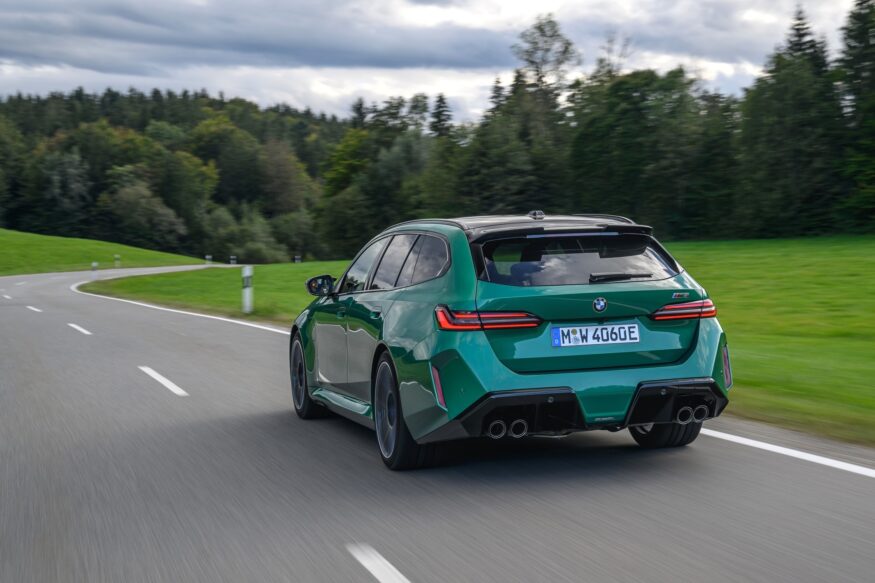
Product planning is one of the most fascinating roles within a car company. These groups are responsible for the lineups automakers offer, the options they come with, the pricing, and more. For places like North America, BMW’s product planners are also tasked with making a business case for cars to be homologated for or specifically developed for the market, like the M3 CS Handschalter with a manual gearbox or the M5 Touring.
To find out a bit more about the process, I sat down with BMW NA’s vice president of product management, Michael Keller. Keller has been on the job in the U.S. for about nine months, but has a 15-year career at BMW on marketing and product strategy, with stops in Dubai, China, and in Munich, as well as work on the Mini brand. We, of course, discuss the new M3, but also the M5 Touring and the potential for more Tourings in America, the future of the manual gearbox in the market, the U.S.’ influence on BMW’s product offerings, and more.
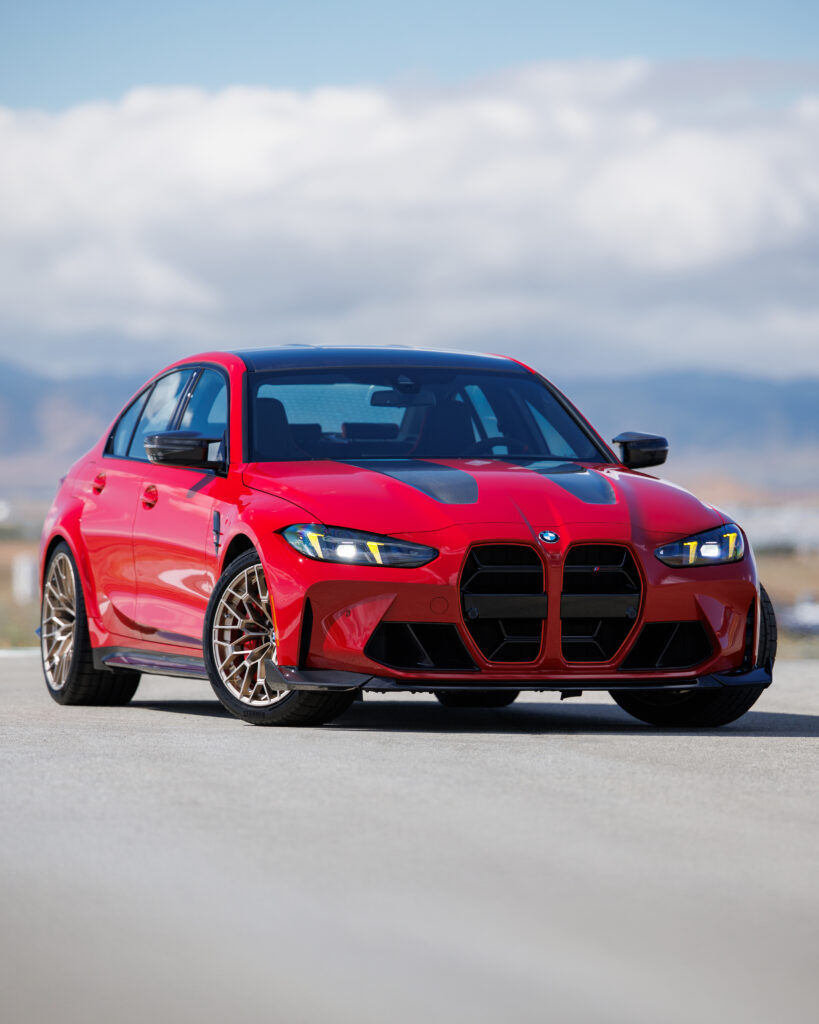
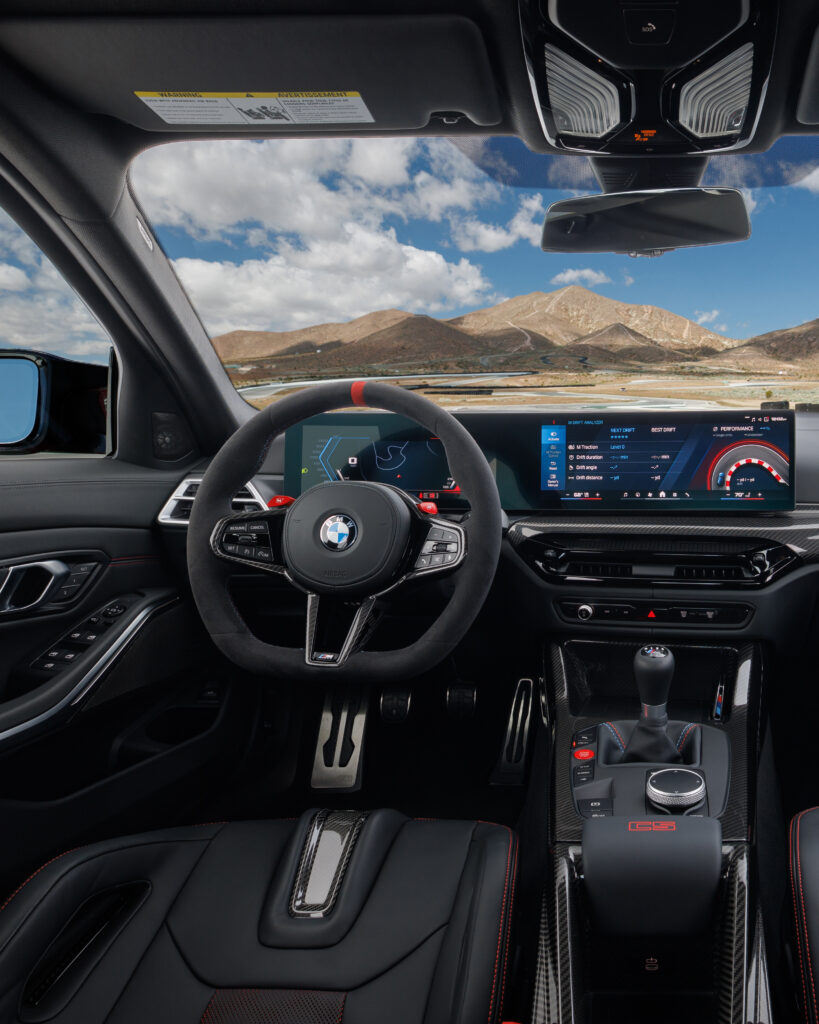
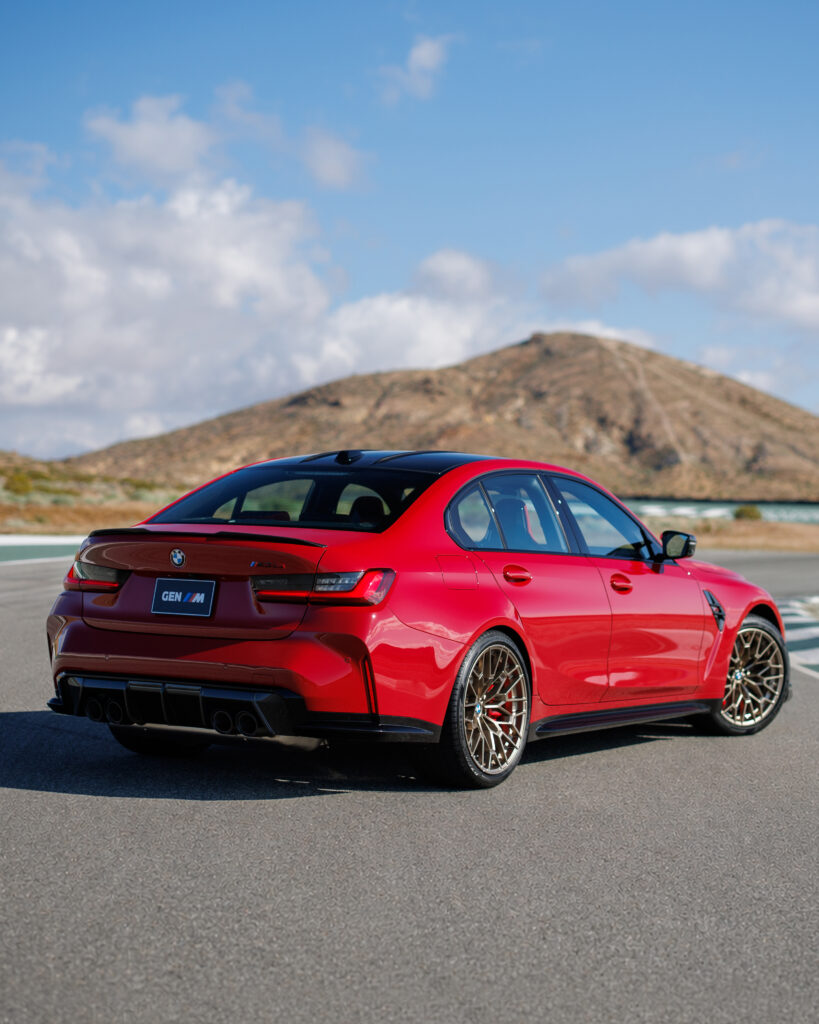
Travis Okulski: How do you get a car like the M3 CS Handschalter pushed through? What’s that process?
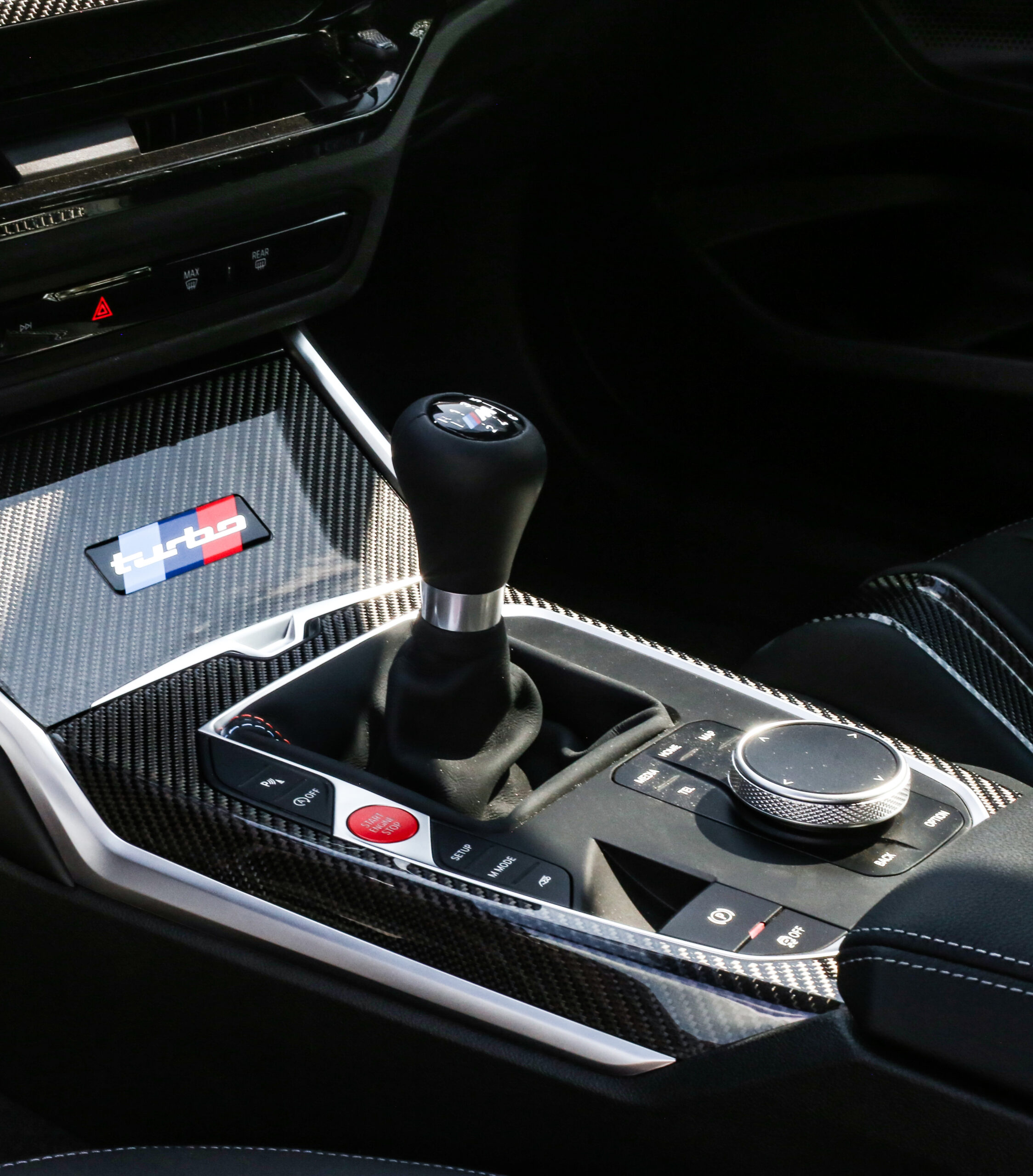
Michael Keller: Our daily routine is to scan the market. We have a lot of areas where we get feedback from the dealer bodies, from customers, from intenders who are not customers yet. We ran our own research, so special things, like this, come up. When it comes to high performance, M is so strong here. The U.S. is the biggest market and we have seen this requirement for manual transmissions for a very, very long time. We would like to bring things more frequently to cater to these unique customers. How we make this happen with Munich is a long process, and everything is in regards to business opportunity overall. It needs to make sense from a business perspective.
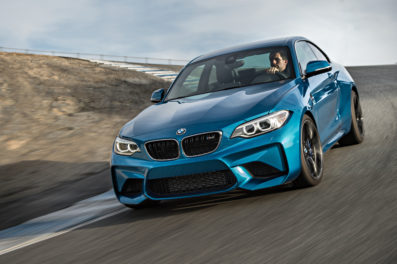
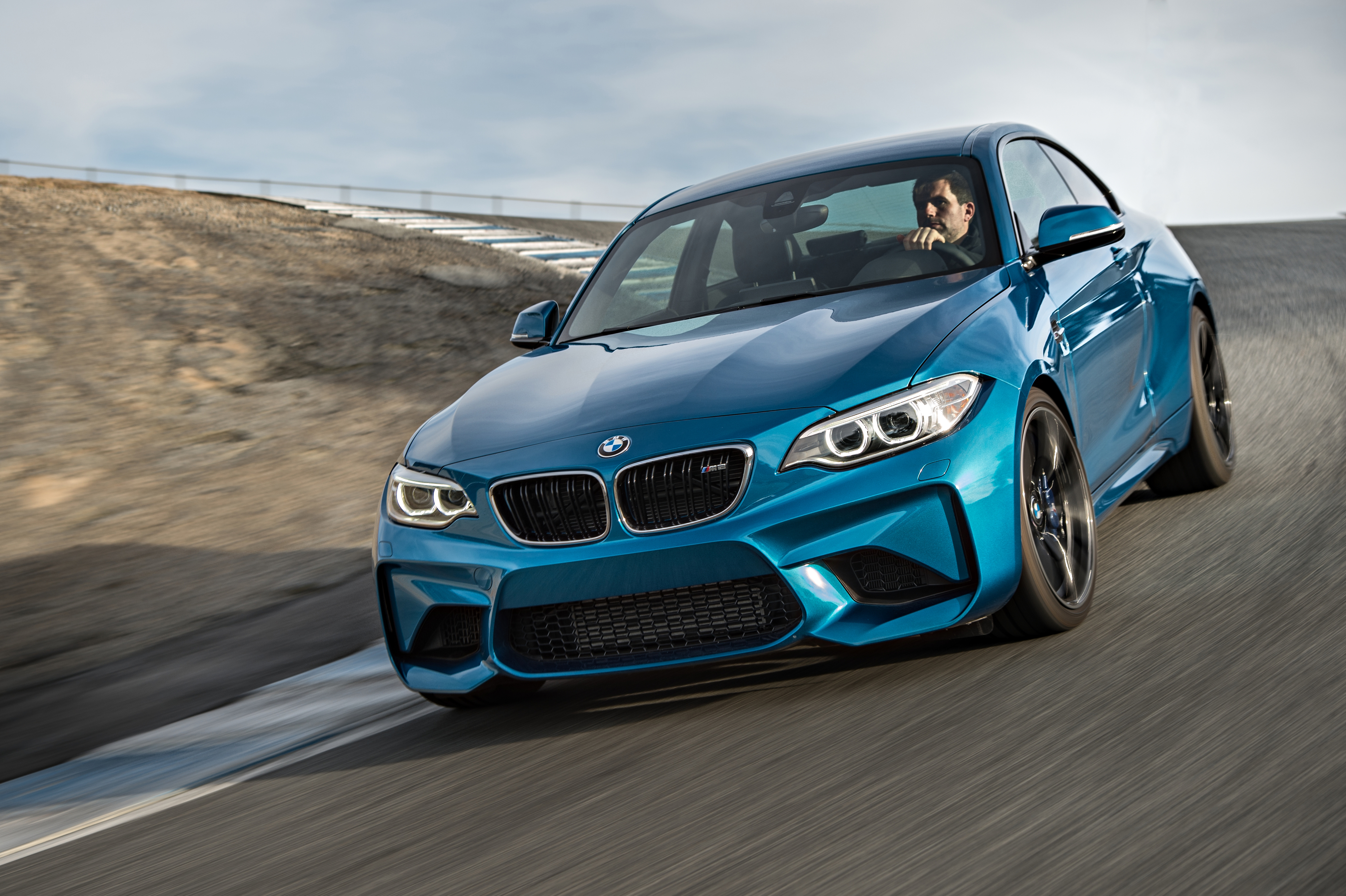
And this is what we try to detail from a requirement perspective, but also from a volume price perspective so that there is a business case coming out. And this process we are following is very stringent, and in this case it paid out so that we can pull something off which is unique for the North American market. And when you look a little bit into the past, the topic of manual transmissions and high performance driving is very unique to the U.S., I would say. So with the 2 Series Turbo and also M2 manual transmission, M3 manual transmission, M4 manual transmission, we try to hold onto those kind of things and this helps us in the argument with Germany as well, because we can build on certain success stories already and can say, “Okay, here’s an idea. How about that? How can we do this? ” So there’s a ton of communication and negotiation involved, but I have to say the team in Germany, especially the M guys and the engineers around them, super motivated to bring something like this to life.
TO: So if they were very excited about it, when this idea was brought to them, why didn’t this become something that was a global idea? Is the market just not there for manuals everywhere else?
MK: We are a global company and those kinds of projects you want to scale, but in this regard you also want to be exclusive as well. You never want to inflate it completely. People need to love it and it also comes for a certain price, which is adequate to the market position. So what we usually do is we ask all the other markets as well. “What is your potential? Do you see it? What are your customers saying?” There are different tastes, and the usage I see here, the track days we don’t have in Europe, for instance, and you also don’t have it in China. So what we try to do is tailor the offer structure to the individual country. And that’s why for us it’s great that we get a product like this and also have it be unique; that makes it more exclusive and maybe even more interesting for customers.
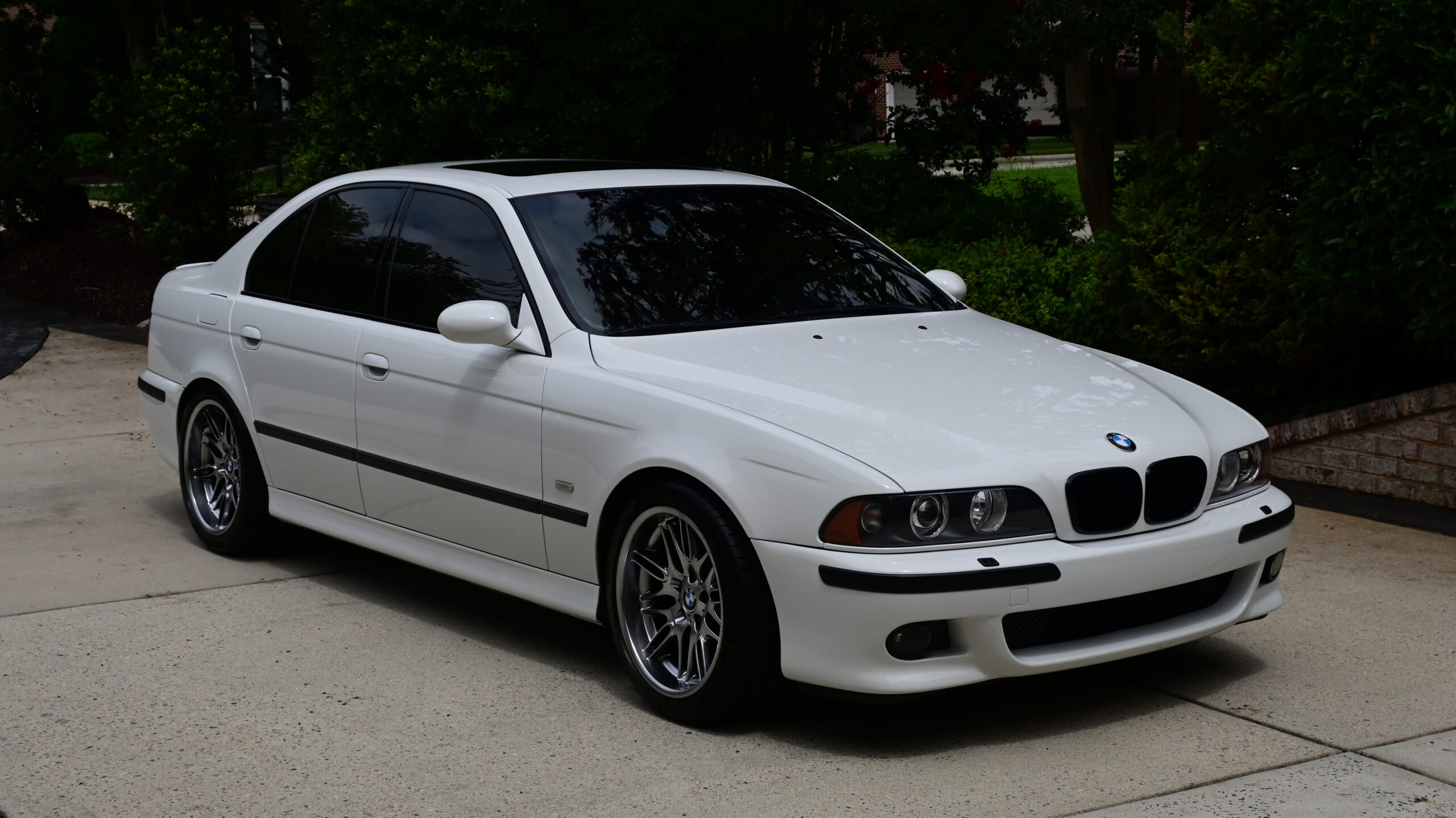
TO: You talk about how the manual has been prevalent here for a long time. The E60 M5 and E63 M6, they got a manual because of U.S. demand, and those manual cars didn’t go elsewhere in the world. In the past, the U.S. market was able to drive that sort of decision. Is it still able to drive that decision in the future?
MK: Based on the demand in the market, we want to hold onto the manual transmission as long as we can. When you talk to engineers in Germany there’s a certain limitation when it comes to performance, but also because the global demand in some parts is not so big. The numbers of available suppliers are also going down. We are focusing on the suppliers we can continue with to offer the manual as long as possible, because people love it. I see a bright future.
-
- Photo: BMW
-
- Photo: BMW
-

- Photo: BMW
TO: So our market has changed and continues to change based on regulations and what our government wants and doesn’t want. And then there’s also what Munich wants and doesn’t want, and where the company is going in terms of propulsion. How do you balance which cars—EVs, PHEVs, pure combustion—we get knowing what our market is demanding, what regulations are going for, and then what the global brand push is. How do you manage that sort of mix and make sure you’re getting the right variants of each car here?
MK: Strategically, when you are operating in a very volatile environment, not only in the U.S., we want to be as flexible as possible. Our global offer structure allows us to, first of all, provide everything more or less at any time what is required. In Europe we have a very dominant focus on EVs right now because taxation favors it, customers are demanding, and so on. So we have everything there with our technology openness strategy. With the tools at hand, we also assess the U.S. market. What we see here in particular is that yes, the combustion engine is dominant and will be in the future.
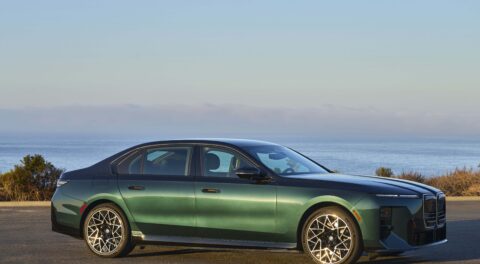
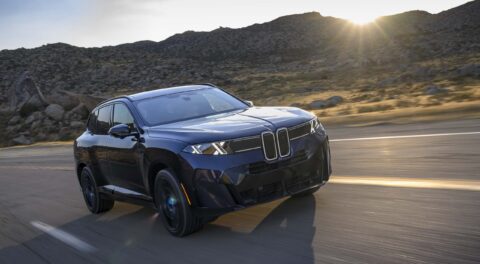
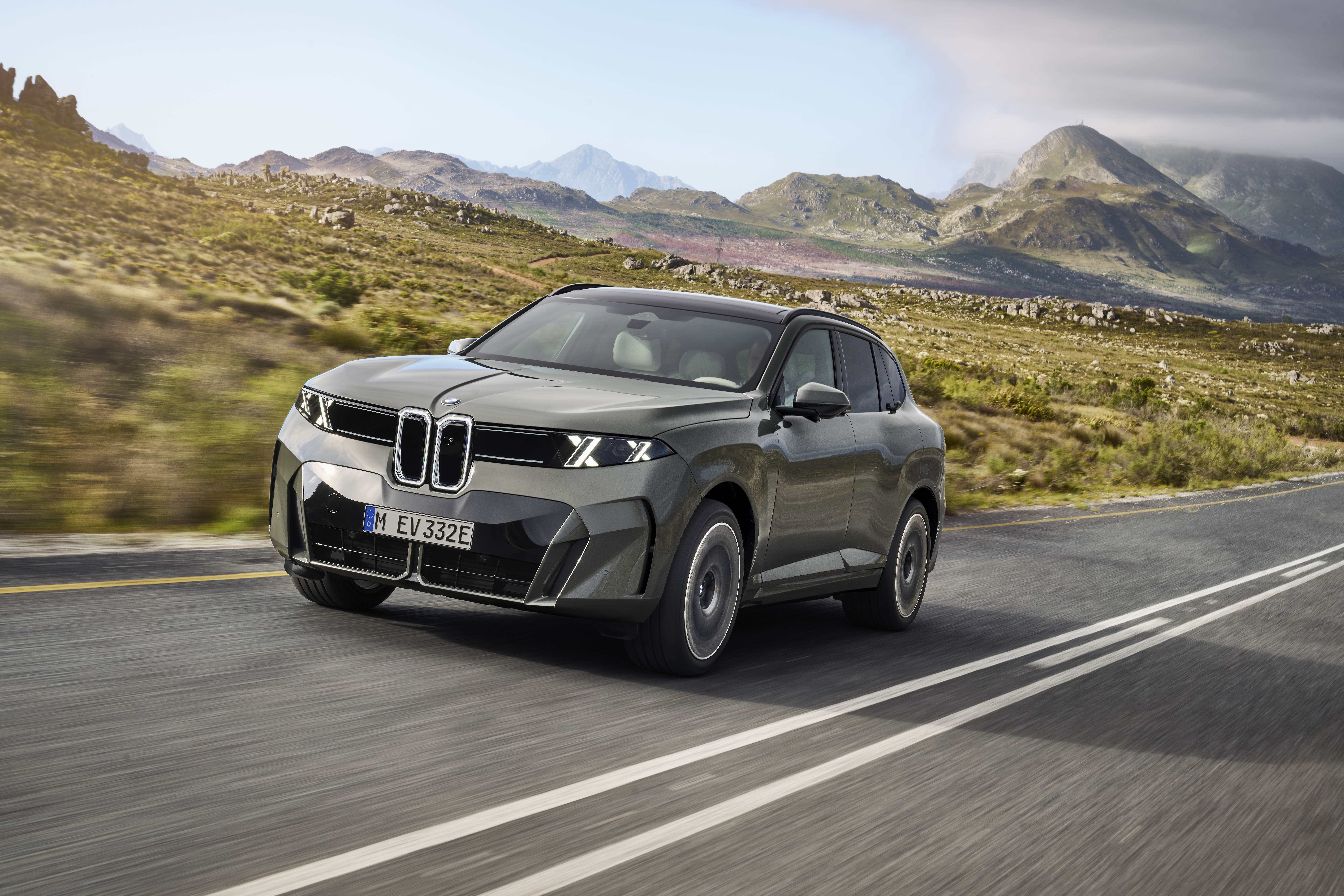
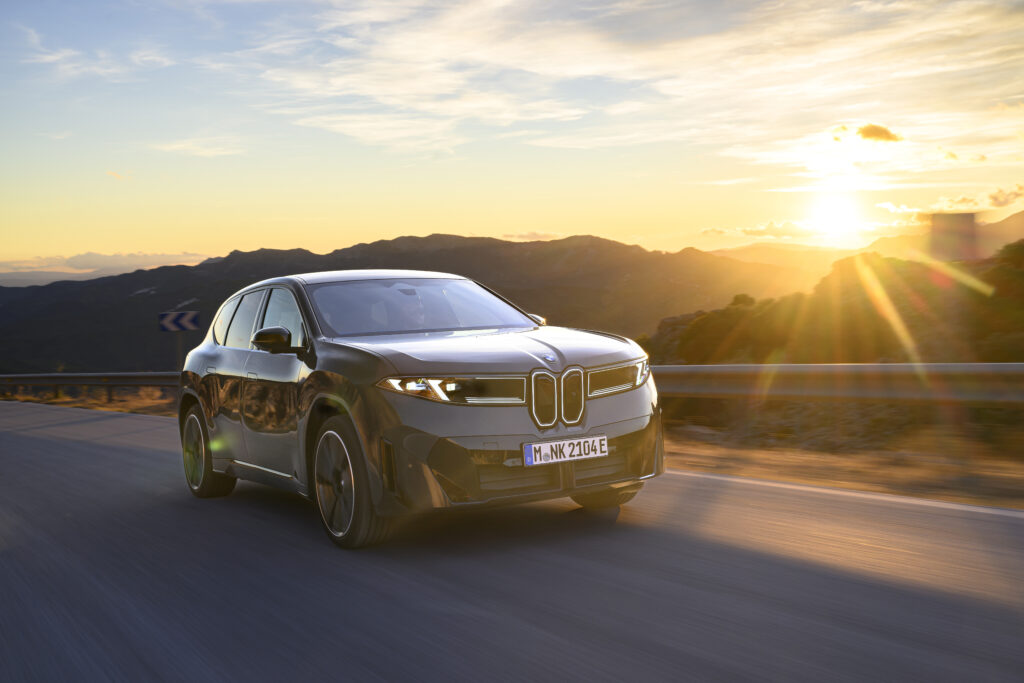
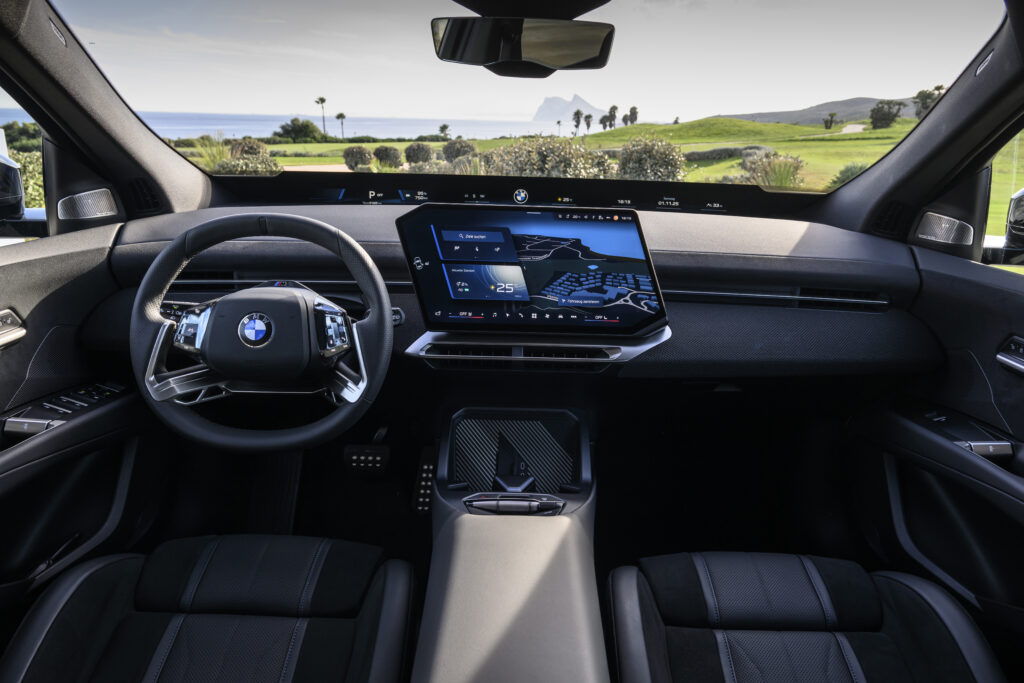
That’s why we communicated the new 7 Series with the V-8, which we are very proud of. But we also see that customers who have an EV right now want to have an EV again. That’s why we will bring the Neue Klasse products to the U.S. market. It’s really depending on what we learned in the past, what we think keeps us flexible in the marketplace, and then say, “okay, what are the details that distinguish us from the competition.” We talk about high performance manual for instance or semi-electrified vehicles such as the PHEV on X5, very successful model. So we are looking into where we can gain advantages with the competition.
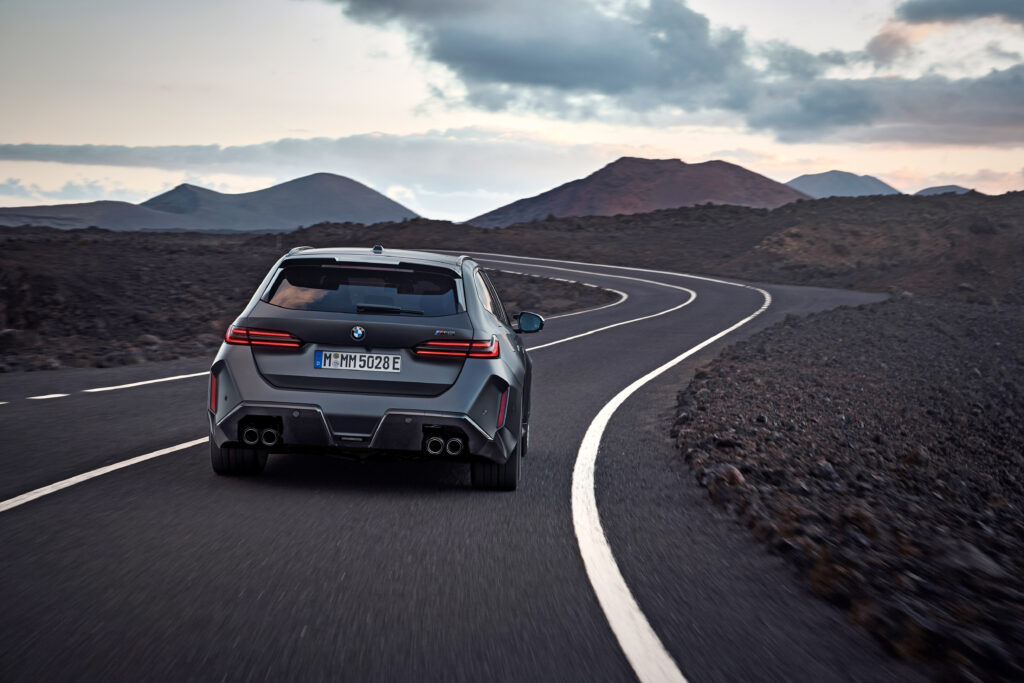
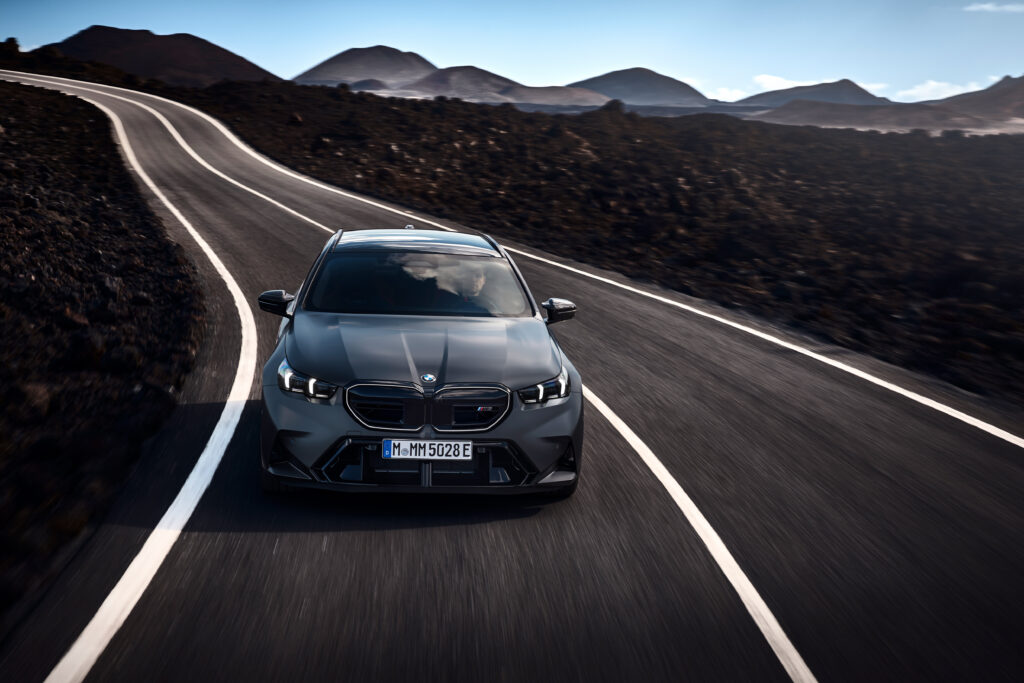
TO: There are certain cars that you’ve brought in recently that have had a much bigger reception than you anticipated, like the M5 Touring. Now you have the market data that the Touring and sedan sales are basically a 50/50 split. How does that sort of reception make you consider future variants and imports?
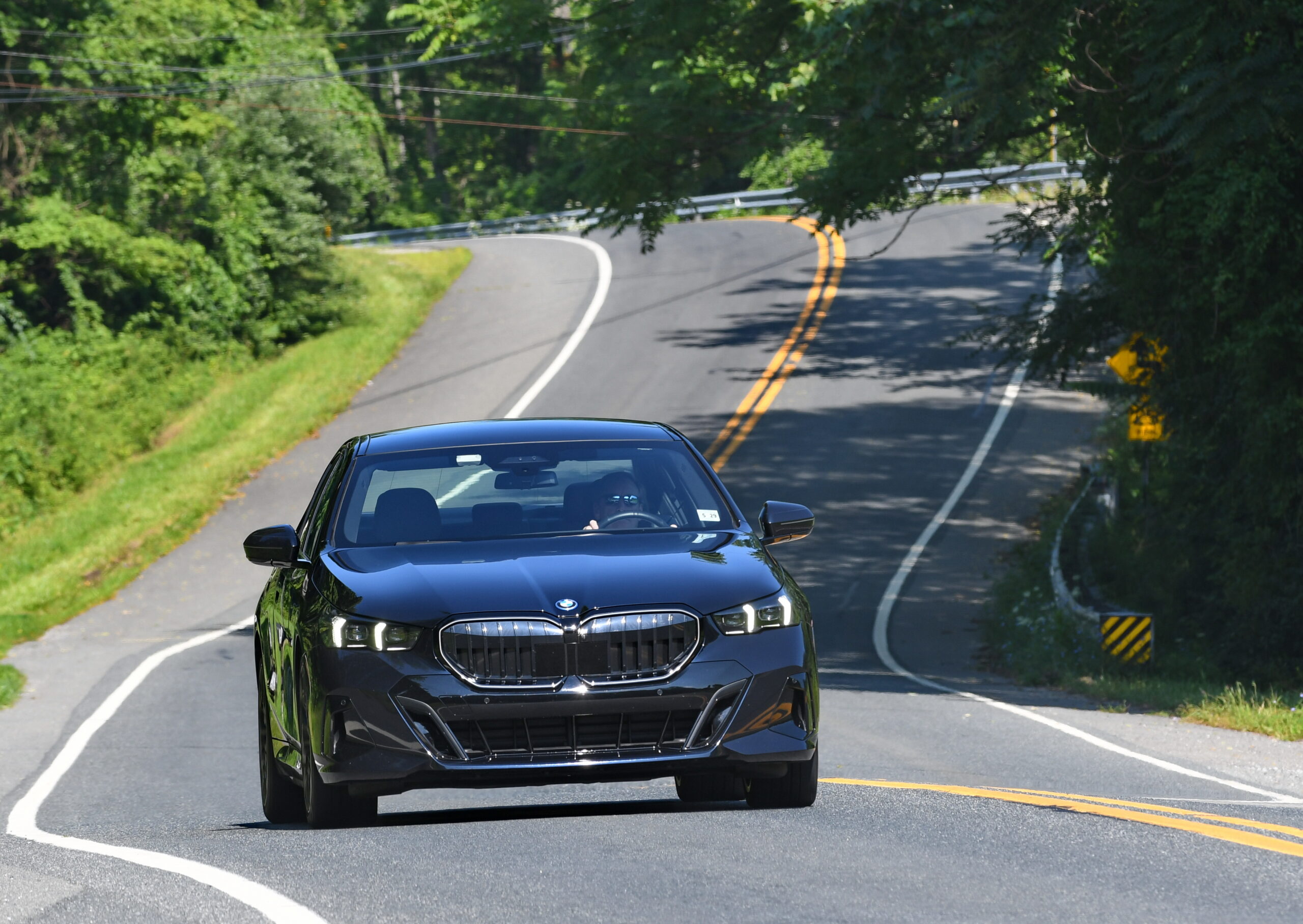
MK: We see that a non-U.S. typical concept works very well. We see this with the M5 Touring, and we also see a good price realization, which is important to cater to the business needs and the results. We are seeing continuous demand. We also saw customers petitioning on M3 Touring, bringing it to the U.S. There is momentum in the market. These are all indications where we continue monitoring the market and trigger the right discussions. So I would like to have exactly more of those unique positions in the portfolio where we are different to the competition and answering some very openly raised requirements or demands from the customers.
So to your question in the future, we will look into Touring concepts where it makes sense for the U.S. market, because at the moment we are quite happy with the M5.
TO: What are holes in the market or models that you wish you could bring that you can’t? Or is there a hole that you see that you want to fill with something that’s not currently available?
MK: With European eyes, you come here and immediately notice there are fewer small, premium vehicles but more big, premium vehicles. We look at the high performance segment, where I think we have potential bigger cars. I mean, nothing can be big enough in the U.S., this is what I’ve learned.
And from a luxury perspective, we haven’t talked about Alpina, which we obviously communicated now since the beginning of the year. I think there is huge potential as well because we see the purchasing power, we see the demand and sophistication on the luxury customer side. We saw this when we launched the 7 Series with two tone paint, for instance. In this segment, where it is ultra luxury, we have potential as well. We obviously cannot confirm anything yet, but this is something where we look into and consider what makes sense for BMW.
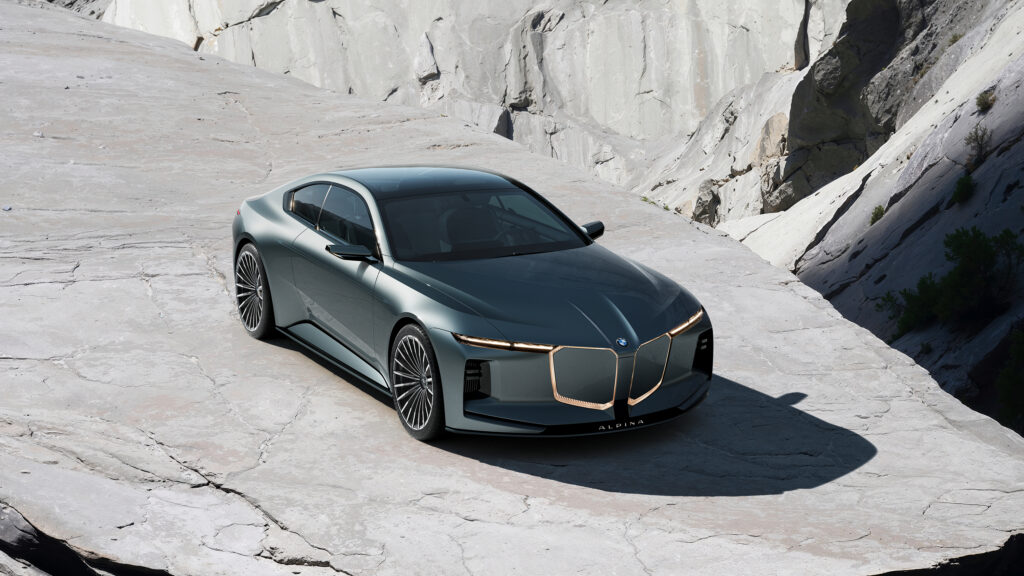
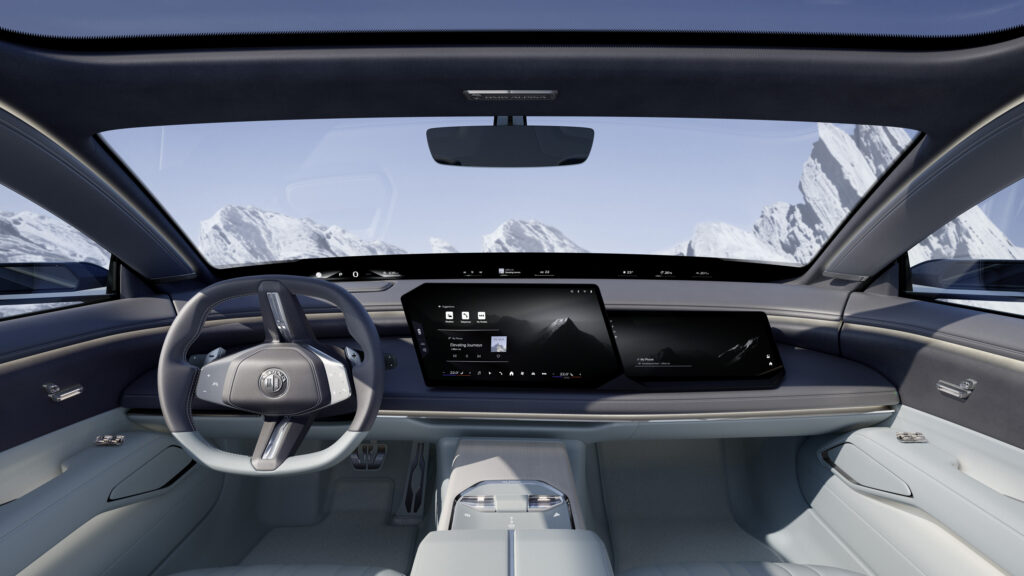
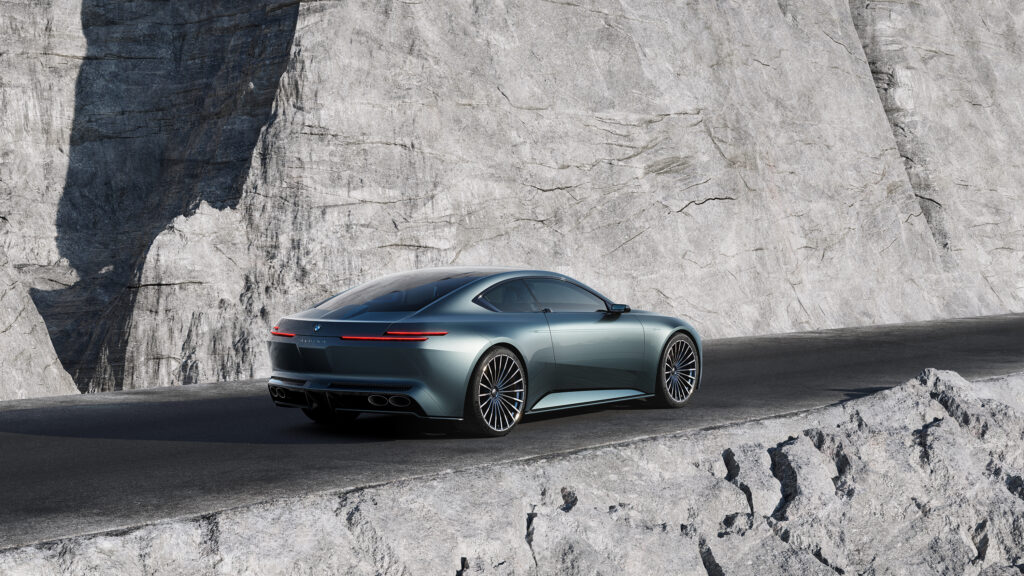
TO: So the Alpina Concept at Villa d’Este. That’s the same sort of idea of what we can potentially see?
MK: It’s a Vision car, and obviously we see Alpina as a continuation or even an uplift of exclusivity and also curation, how we structure the interior and how we use material color and all that. It really is a completely different area than what we have or we had for Individual on the 7 Series. The vision car, is a completely different animal to showcase sporty exclusiveness in the new BMW world.
TO: I just thought about the Chinese market since you have a lot of experience there. When you look at that market and the demands that it has versus our market and the demands here, which one now do you think is informing where the brand goes more?
MK: I wouldn’t say more. I only would say different.
TO: Different cars?
MK: No, different offer structure. I’ll give you a very concrete example. In China, all the locally produced cars are long wheelbase. Customers in China have more focus on the second row; this comes from family structure and usage. In the U.S., we see it differently. You also see a difference in offer logic. What we see is that technology in China is a higher priority in the purchasing decision than here, especially on the side of autonomous driving. But the good thing is that we are obviously kept on our toes to deliver this technology, which helps us in other places, like the U.S., to be on the forefront of competition.
I would say we can carry over certain knowledge and how things should be. On the other side, the dynamic part, like having our six cylinders here, having a huge footprint on M vehicles, having also the brand aspiration is something definitely we find a customer base for in China, so we can transfer the knowledge. Again, I think we are in very good shape because BMW has proven over the last years that we are very flexible. As an example, we have X3, obviously the best selling model right now. We have six-cylinder, we have a four-cylinder and we have obviously the X5, six, eight-cylinder. In China, you usually have smaller engines because it’s less of a focus from the customer to have the high level of performance. So the volume seller in China is the four cylinder, which the customers are happy about as long as it has the latest technology inside.
The focus is changing, and this makes it more difficult for product management because when you see Munich Engineering as a center, you now have different geopolitical environments that ask for different things. Either we can balance it out, but we are a bit challenged to deliver on the real important topics to our customers. We cannot do everything differently for every region, but the ones which change business model or the success in the individual country, this is where we need to make a difference in offer logic and sometimes also in development.
This interview has been edited for length and clarity.