
BMW M is about to upgrade its S58 engine in the M2, M3, and M4 starting in mid-2026, with technology more typically found in Formula 1. It’s called pre-chamber ignition, and it’s designed to make engines both more efficient and more powerful. BMW isn’t the first brand to use pre-chamber ignition in a road car—Honda used it in the Seventies in the Civic and Maserati uses it right now in the Nettuno engine.
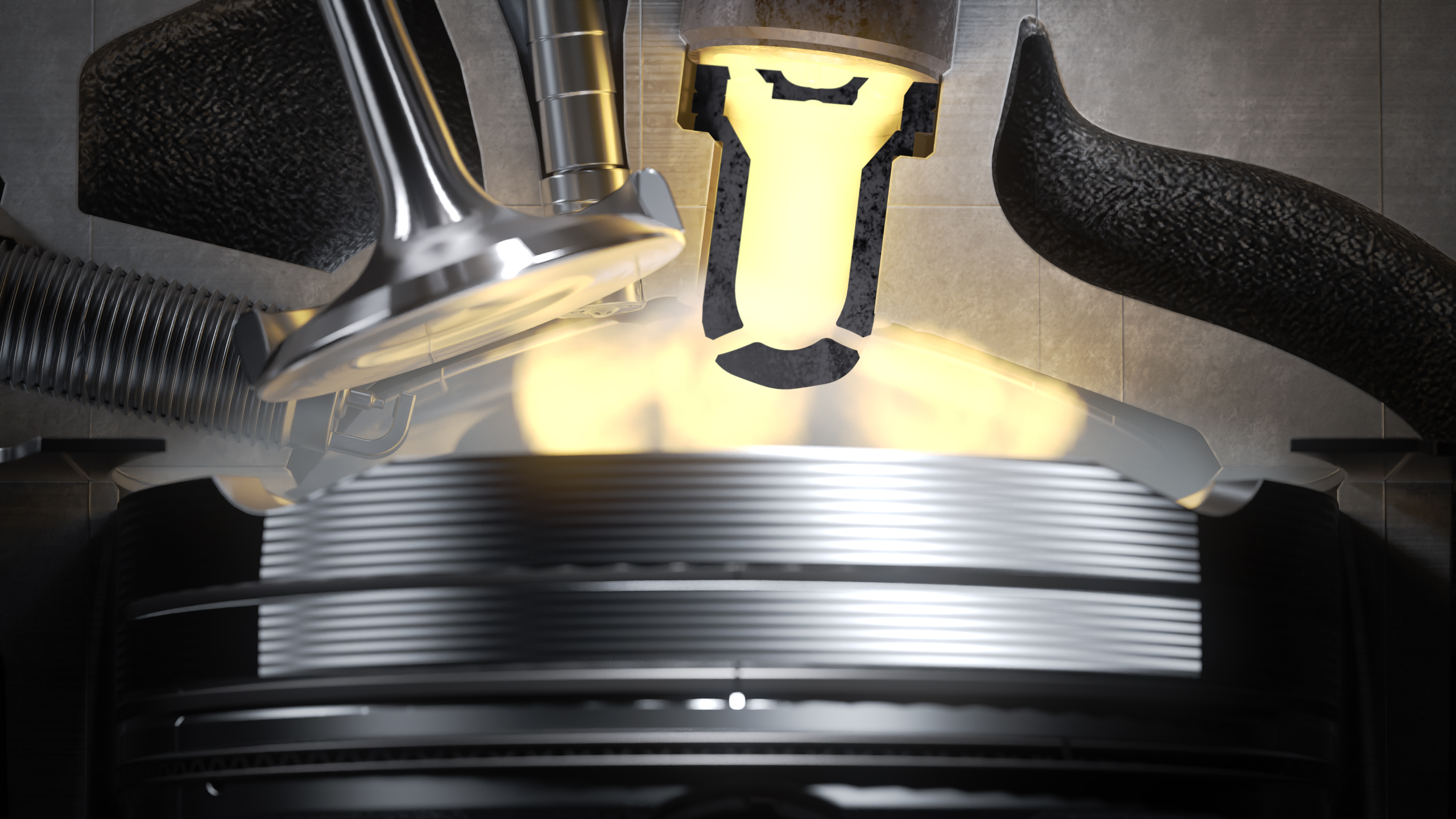
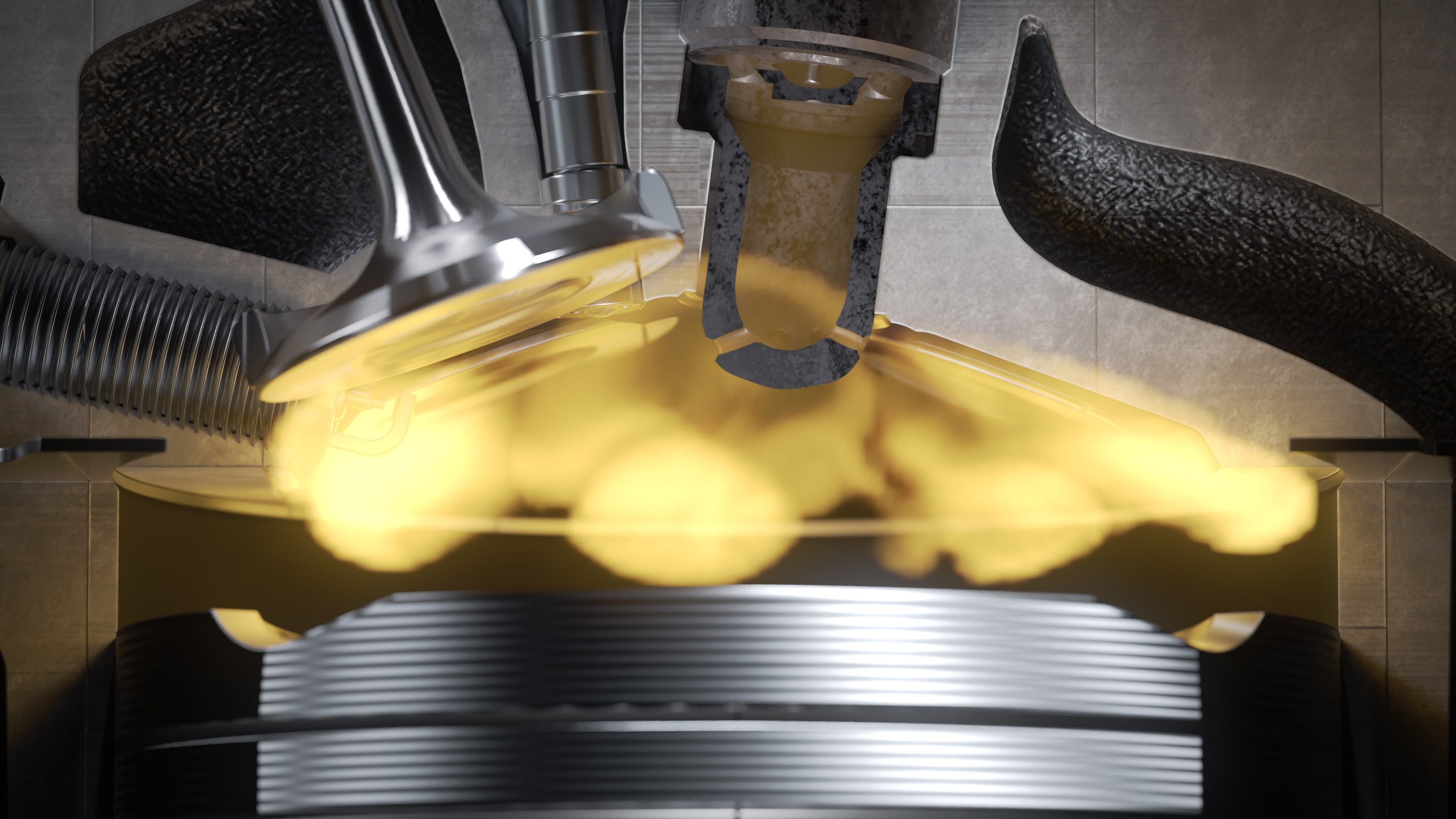
Pre-chamber ignition might seem complicated at first, and it does add a significant amount of complexity to an engine, but the idea is pretty simple. Essentially, it adds a secondary combustion chamber at the top of each cylinder, which has its own spark plug and ignition coil. During the compression stroke, as the piston rises and compresses the air/fuel mixture, it forces some of that mixture into little openings in the tip of the secondary combustion chamber. Then, depending on engine load, that spark plug ignites the mixture, shooting flames in a star-like pattern into the main cylinder and igniting the rest of the mixture.
BMW
The normal cylinder also has its usual spark plug, but it won’t always be used. Under low-to-medium rpms, the main spark plug will fire first, igniting some of the air/fuel mixture, with the secondary chamber firing shortly afterwards and burning the rest. Under high loads, only the secondary chamber will ignite all of the air and fuel in the cylinder. And the engine’s brain will play with the timing of those two spark plugs for optimal efficiency and performance, depending on the situation.
My tiny brain can only explain this so far, so I’ll point to Jason Fenske’s excellent video on pre-chamber ignition. But, essentially, the upsides to pre-chamber ignition is that an engine can have much higher combustion speed, thus greatly reducing the possibility of an early detonation and therefore engine knock. With less risk of engine knock, BMW can crank the turbo boost even higher if it wanted to and safely make more power. It also allows the engine’s brain to better control exhaust temperature while the engine’s still cold, so it can heat up the catalytic converter quickly, getting it up to its happy operating temperature, and further reduce emissions.
BMW
Are there downsides? Well, it’s a high-strung BMW M engine that now has an extra spark plug for every cylinder and an extra combustion chamber for every cylinder that only gets cleared out by combustion pressure. So spark plug replacements are going to be even more annoying, and who knows how much carbon build up is going to occur in that extra chamber. Long-term reliability is certainly a question.
BMW says that displacement and power figures will be unchanged for all models with pre-chamber ignition (although tuners might have a field day with its added capability), but that it will help the S58 meet Euro 7 emissions in the future. That last bit sounds like the real reason for its usage, to not only make its star M engine more efficient but to keep it compliant for longer. Still, it’s cool to have F1 engine tech in an M car.