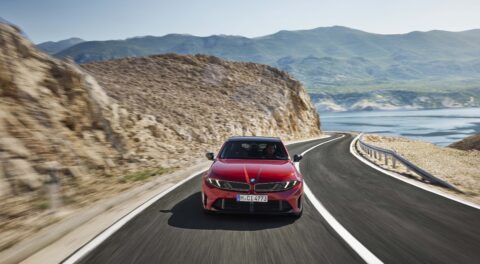
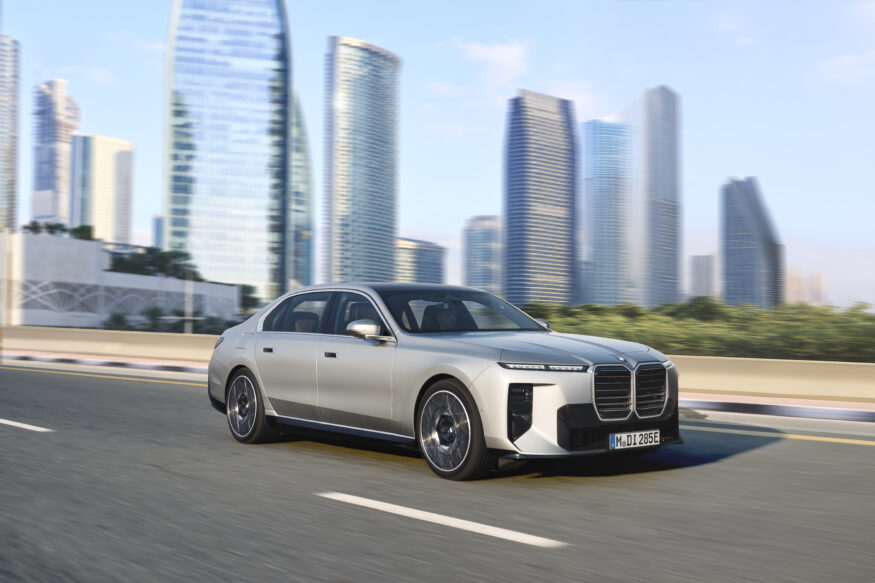
The design of the G70 7 Series ignited a firestorm of opinions from everyone who saw it. This design departed radically from the 7 before it, much like how the E65 created controversy when it was first shown. The giant kidney grilles, split headlights, and really every design choice came in for criticism. Of course, we always knew there’d be an LCI—life-cycle impulse, BMW-speak for refresh—but we didn’t necessarily expect that it’d be that different. Most LCI’s are minor refreshes that hone the original design and provide some updates, but aren’t a wholesale change.
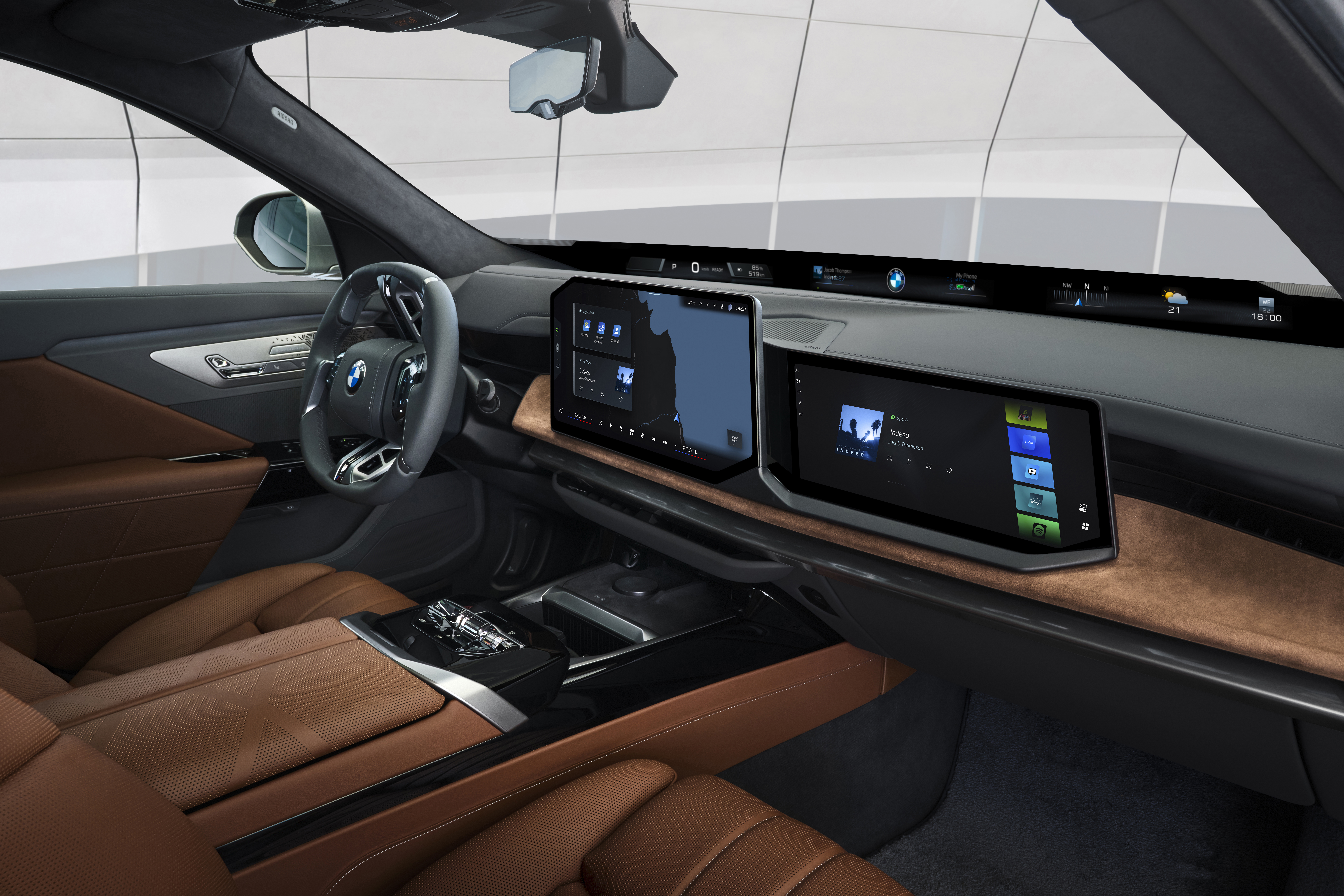
That’s what makes the 7 Series LCI so interesting. It is one of the most comprehensive mid-cycle updates BMW has ever given to a car. The exterior design philosophy didn’t change, but now it seems to work. And, even more interestingly, the interior received the most massive update possible. Typically, LCI’s see minimal interior changes. Here, it’s all new, with the Neue Klasse interior adapted and upgraded for duty in the 7. It’s impressive.
To find out more, I spoke with Max Missoni, the BMW vice president for design for mid-size and luxury cars, as well as the Alpina brand.
This conversation has been lightly condensed and edited for clarity.
Travis Okulski: Typically an LCI isn’t that aggressive. This one is very obvious. How do you approach an LCI versus a new design?
Max Missoni: Things are moving so fast nowadays that to stay ahead in the race and be the leader in the segment, it’s a very wise decision to be on top of technology, on top of luxury, having all the features required. And this is what this car did. I think it makes a very bold statement: we’re here to stay.
TO: You had to incorporate a lot of Neue Klasse elements into the design.
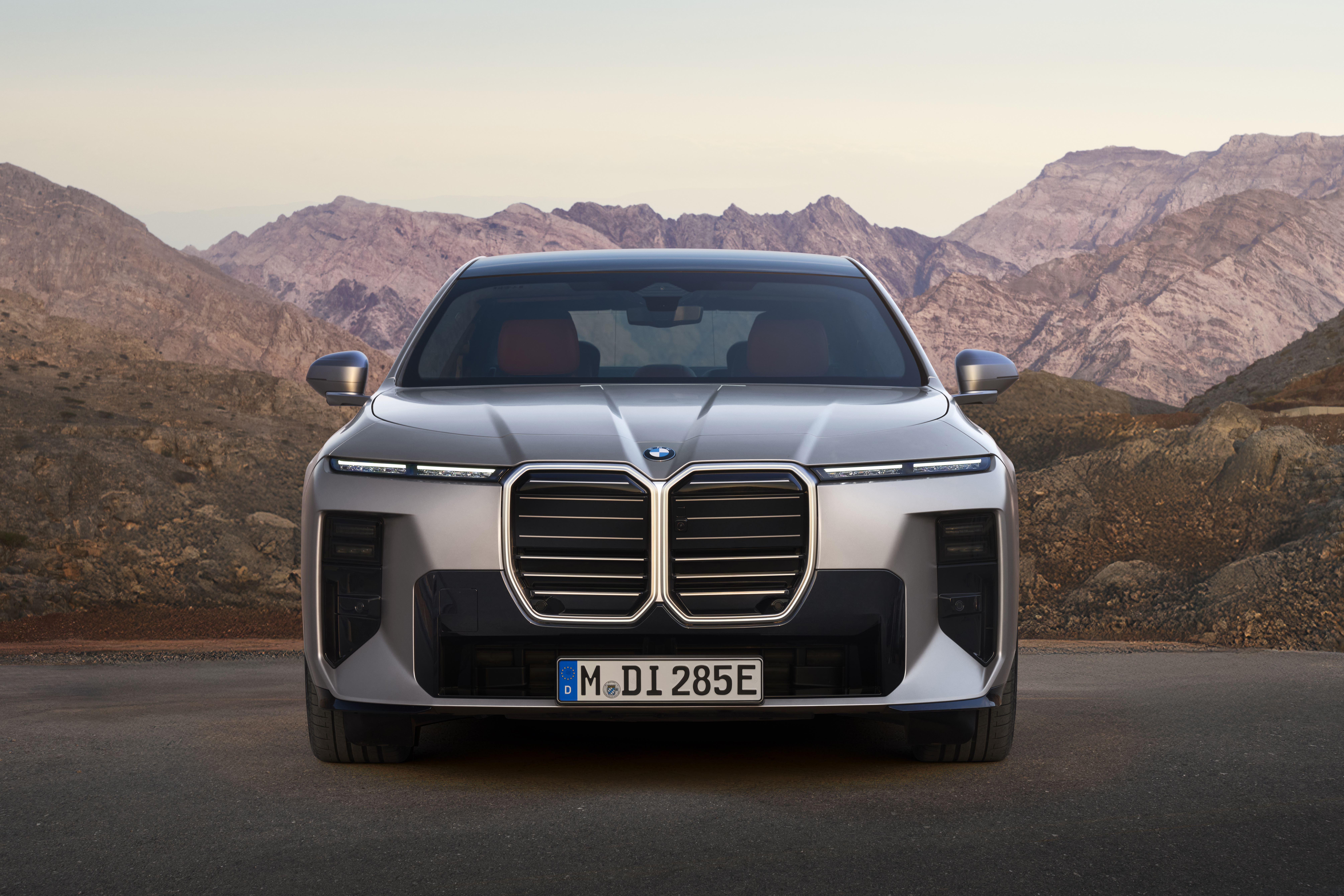
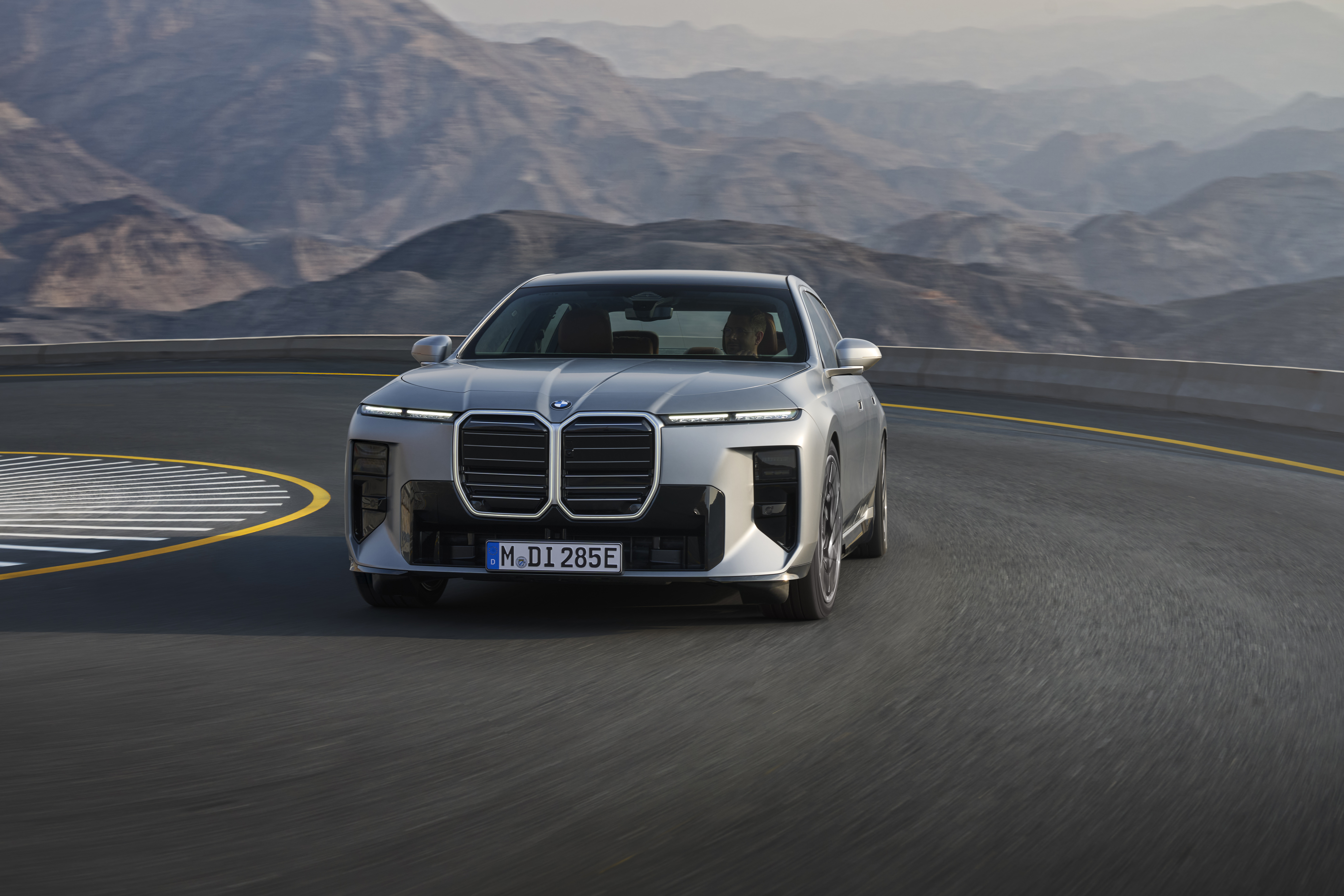
MM: I think this is a very successful evolution, a very nice next step. What I find so fascinating about this is that with the technology openness, you could have any powertrain, be it petrol, be it electric in this vehicle, and the design is so versatile. It has so much presence in its own right that it’s not related to any powertrain expression. So it looks very modern and at the same time, very BMW. So I think it suits both or several powertrains just alike, which is not an easy thing to do and it’s very well executed. So the front is extremely strong, I think. The presence is still my favorite feature. I think there’s hardly any other car in that segment in that class in the world. There’s so much pride in the presence of the front.
But obviously the biggest update and step has happened on the interior, which is normally an area where the smallest steps have been taken with mid-cycle action. So this is quite remarkable. And I think very, very necessary and very appropriate to align it with all the other Neue Klasse vehicles. And as the flagship, it deserves the philosophy.
TO: You would typically find these flagship models are the ones that are leading in bringing new tech to the field, right?
MM: Correct. In this case, how the timing was in terms of the cadence, this mid-cycle coincided with the emergence of the Neue Klasse entering production. So it was just the right thing to do to align it.
TO: How many body panels are shared with the pre-LCI?
MM: The front and rear doors are the same, but that’s pretty much about it. The front fender bonnet, bumpers, kidneys, headlamps, everything in the front. It’s completely new front end and basically new rear end as well.
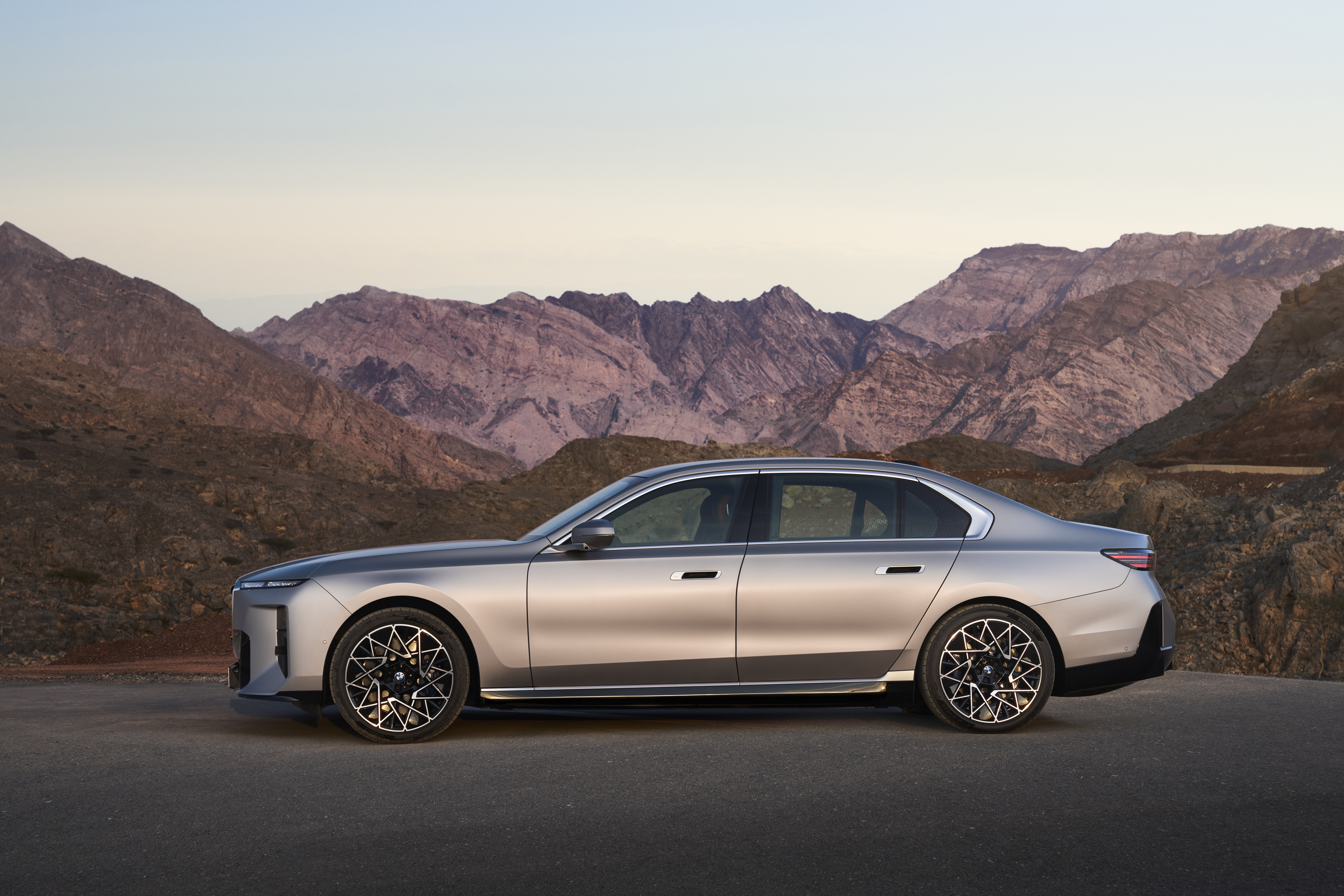
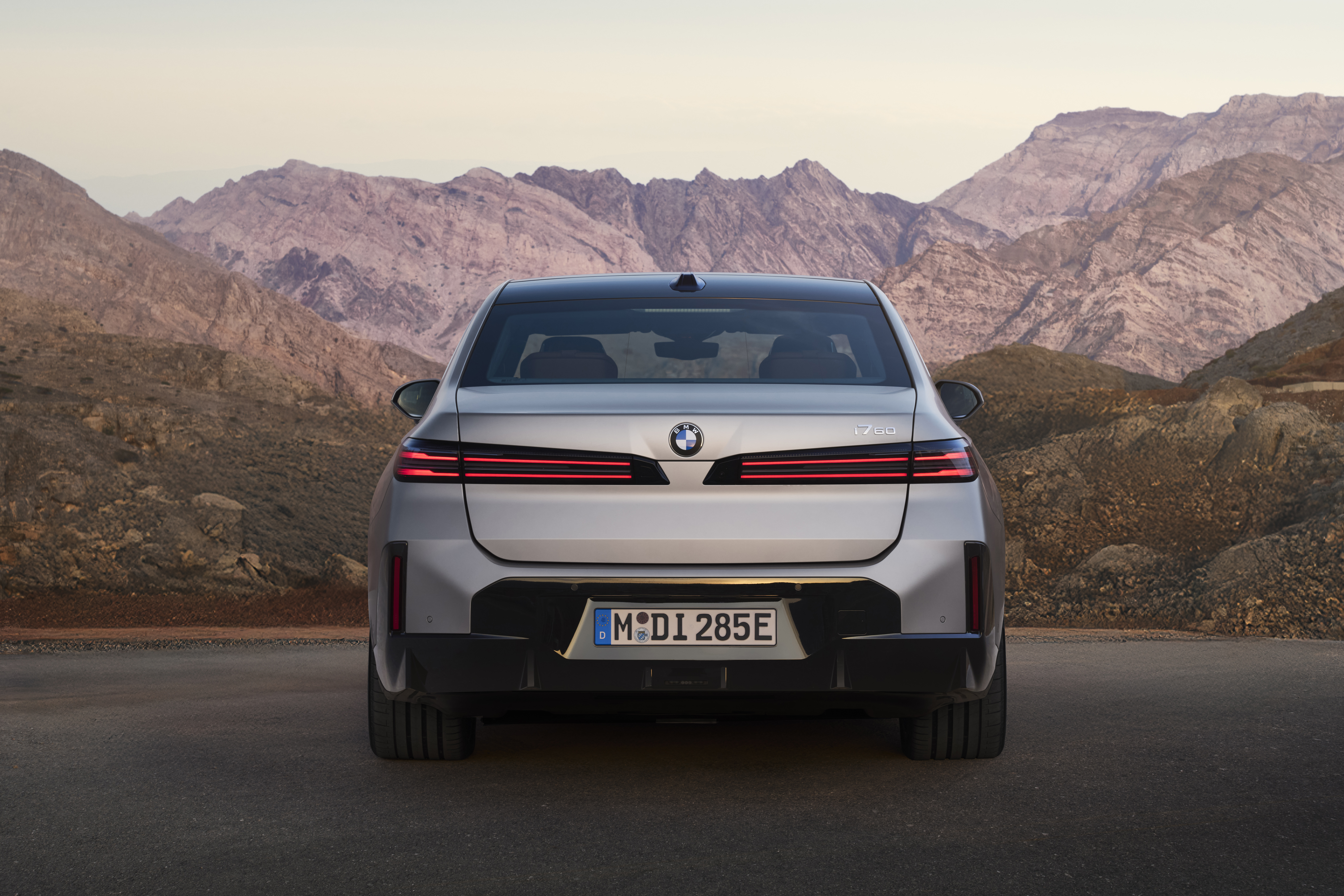
TO: What about the greenhouse, roof, windshield, all that sort of stuff? That’s the same?
MM: That’s the same. These are quite big structural parts. And in terms of spaciousness and all these metrics that would affect those parts, the car was and is correct and is in a good place. So those wouldn’t have needed to be adjusted, but in front and rear for the expression to bring it into Neye Klasse and dashboard, those parts did have to be touched.
TO: The 7 that always resonates with me is the E38. I saw it in Tomorrow Never Dies, and it was such an iconic car. Do you see E38 in this car? It seems to have become more like a limousine than a driver’s limousine.
MM: I think this is very much due to the change in times and also the [product] family is growing and this car and the top end is used as a chauffeur limousine in some markets. And however, it’s one of the specifics of a BMW is that it still delivers on both. It’s still a very good driver’s car for its size and its proportions, as well as it is a car that can be very comfortably driven. So I think that’s why many customers choose a BMW again because they have both options and it feels right.
TO: Your responsibilities include the 5 Series as well. So, when you look at a design brief for the 5 versus the 7, where do they converge and where do they split apart?
MM: The 7 Series is the car that is clearly geared towards the possibility of being driven. So it’s absolutely the full breadth of features in the second row. And the 5 Series is still a car that many customers like to drive themselves. It still has to have the comfort that you expect from a 5 Series, but it’s clearly still a driver’s car.
TO: When you started on this refresh for this car, what were the main things you were looking at that you wanted to improve?
MM: It was quite important to bring it in line in terms of the interior layout and interior functionality, all the software that comes with it. So I think that was a major decision. And when it comes to the exterior, it keeps the character of its predecessor, but is even more pure and powerful in its expression. And if you think of the front and how now there is so much purity, so much … It’s so iconic now with the dimension and the proportion of the very slim lights, with the secondary lights being so well integrated and hidden in a way that you, in daytime, you don’t even perceive that. I think now this car is probably … It’s always a question, especially when you’re nostalgic and you dream of the E38, but it’s probably the best 7 ever.
TO: What’s your inspiration? How do you bring life to a car like that?
MM: [Car designers] know how to industrialize a product, first of all, how to create a product, how to look at the customer’s needs, to solve problems. I always say to anticipate problems, because solving a problem is then you’re mostly too late. You need to be so sensitive that you can actually anticipate problems that will occur at some point in the future.
That’s not an easy thing to do, but that’s what we’re trained to do. But what we like specifically about cars is that, for some reason, cars have become an expression of a living creature. That’s what makes them so interesting as a design object, because we kind of feel like we get to create character and life. It feels like that people have such a deep relationship with those products, and that’s what inspires us.
For me, it’s still surprising sometimes that we see it immediately. We work with it. We know exactly what you need to do to create certain characters, to create certain emotions. To be cute, happy, aggressive, all of these qualities, we can recreate in physical matter. And people are still sometimes surprised that they identify those qualities in cars. We do this very deliberately.
The whole industry has been geared towards creating those characters. And there’s some superficial emotions that are quite easy to portray because they coincide or they align with mimics in a face. We’re trained from an early age to understand immediately if somebody is mad or if he likes me, can I trust this person? And all of these elements we can translate into shape. But when it comes to a second layer of charging a product with a perception of intelligence, that’s where it gets interesting, where you understand that it’s a product that builds trust through substance.
That’s what we do. There’s two very different professions. The exterior designer is very much on a psychological level with character. And then they need to negotiate with engineering to get that across, because there’s so many things that try to keep you from doing this, pedestrian safety, aerodynamics, sensors, air for cooling. There’s so many factors that try to prevent you from creating the perfect character, and this is their skill. And the interior designers are basically creating multiple products that should fuse together to create one living space that feels enjoyable that you want to be there.
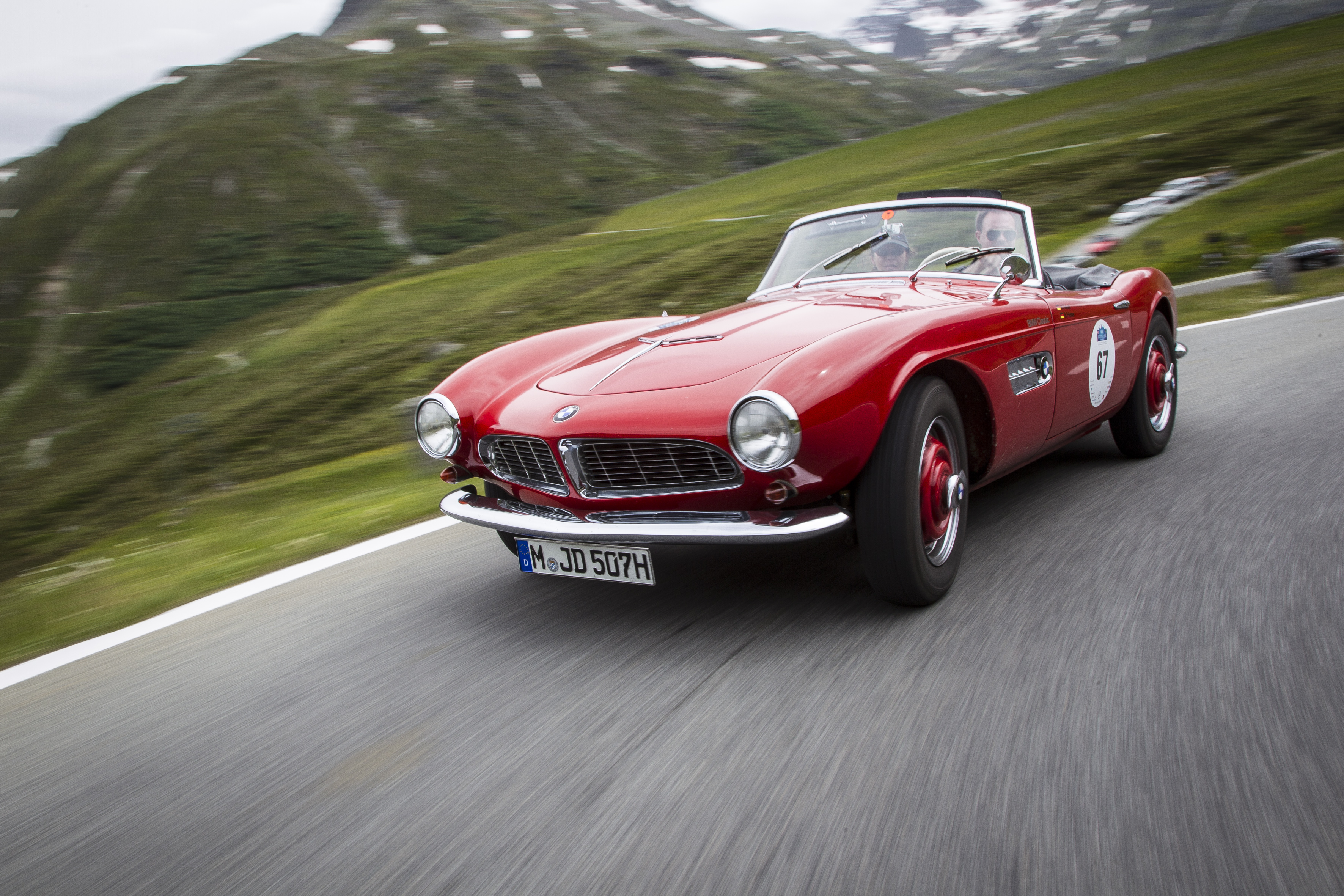
TO: What’s your favorite BMW of all time?
MM: 507. I think it’s amazing, that’s probably my favorite one.