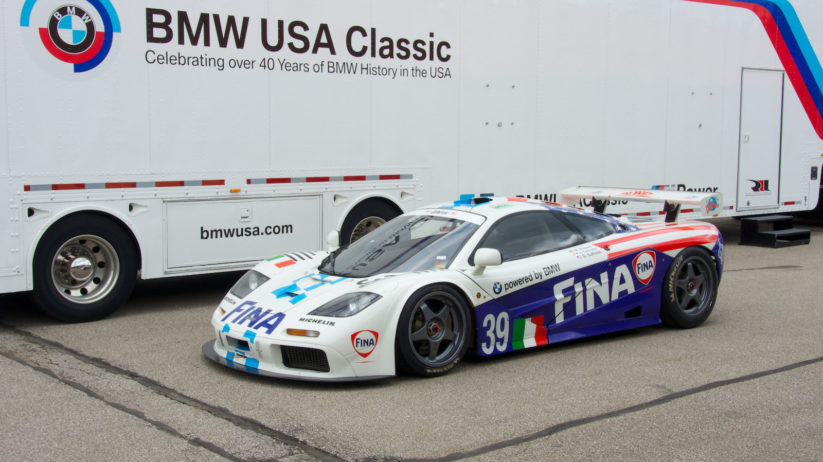
The McLaren F1 is still one of the greatest automotive achievements of all time. A bespoke road car from the mind of F1 genius Gordon Murray designed to be the greatest driver’s car in the world. It just happened that it also became the fastest, quickest, most expensive, and all other sorts of superlatives after it was built and tested, even if that wasn’t the intent.
It was also never meant to go racing, but it hit the track anyway. A rouge group convinced McLaren it should run in sports car racing, and it won Le Mans overall in 1995 at its first attempt. Even when Gordon Murray explicitly tries not to build a race car, he can’t help but build a great race car. Now, the F1 uses a BMW engine, the S70/2 6.1 liter V-12. It is one of the all-time great engines, and while it did come in heavier than Murray asked, it also made more power. A seemingly fair trade.
In 1996, BMW Motorsport purchased three F1s—chassis 16R, 17R, and 18R—to be run by Team Bigazzi around Europe. Chassis 17R, with sponsorship from BMW NA, finished eighth at Le Mans with Danny Sullivan, Johnny Cecotto, and Nelson Piquet at the wheel. Now retired, that car is part of BMW USA Classic’s collection, usually seen static at events like Amelia Island or on the lawn at Pebble Beach, though it is also run a few times per year. Most of the time those are exhibition events, but sometimes it’s in a race, like when it ran at Monterey a few years back. It’s a very special car to witness in motion. If there’s a chance to see it in person, make every effort to do so.
For the Q1 issue of Roundel, we featured this car for a brief photo story. To check a few facts and get a little more insight, I sent some questions to Tom Plucinsky, the head of BMW Group Classic USA. We couldn’t fit it all in print, but the insight into what it’s like to care for a car that is worth eight figures and some quick photos of what it looks like during a rebuild were worth sharing.
Travis Okulski: Does seeing it on track make you nervous?
Tom Plucinsky: Always. I think every pro we have put in the car has spun it at one point, so yes. Even though it is a 30-year-old car, it still feels like it should be a modern high downforce race car, and it’s not.
If you drive the car like a non-downforce car it’s fantastic! A big powerful go-kart, I love it. When I drive it, I am always worried at the beginning but once I’m rolling, it is just such a thrill and pleasure to drive and the nervousness disappears.
However, there is always a sense of relief when the car is loading back on the transporter.
TO: How hard is it to take care of and keep in running order?
TP: It’s not any more difficult than our modern race cars. Every 10 years or so, we do a major service on the car. We are able to do this at RLL and, if needed, we have expertise on the F1 in our BMW NA workshop. For an example, we replaced the windshield in our BMW NA workshop. For parts, McLaren of Philadelphia is the official F1 service and parts center and they are fantastic. Our car has also been back to McLaren in Woking for service and the installation of the passenger seat.
-
- Photo: Tom Plucinsky
-
- Photo: Tom Plucinsky
-
- Photo: Tom Plucinsky
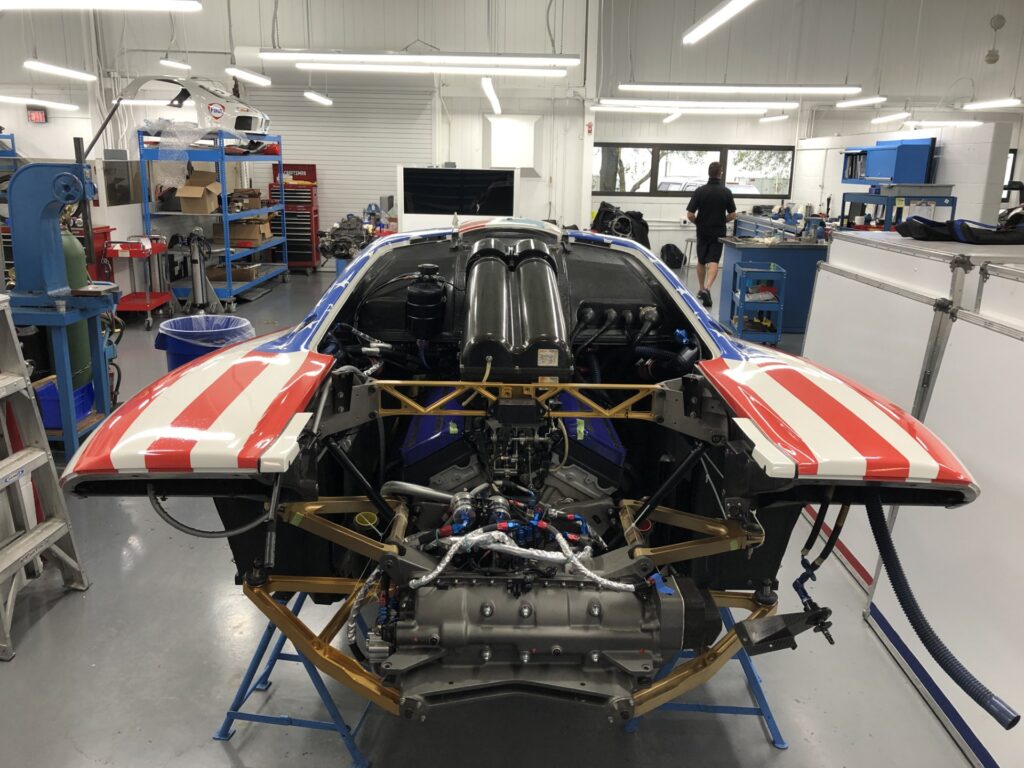
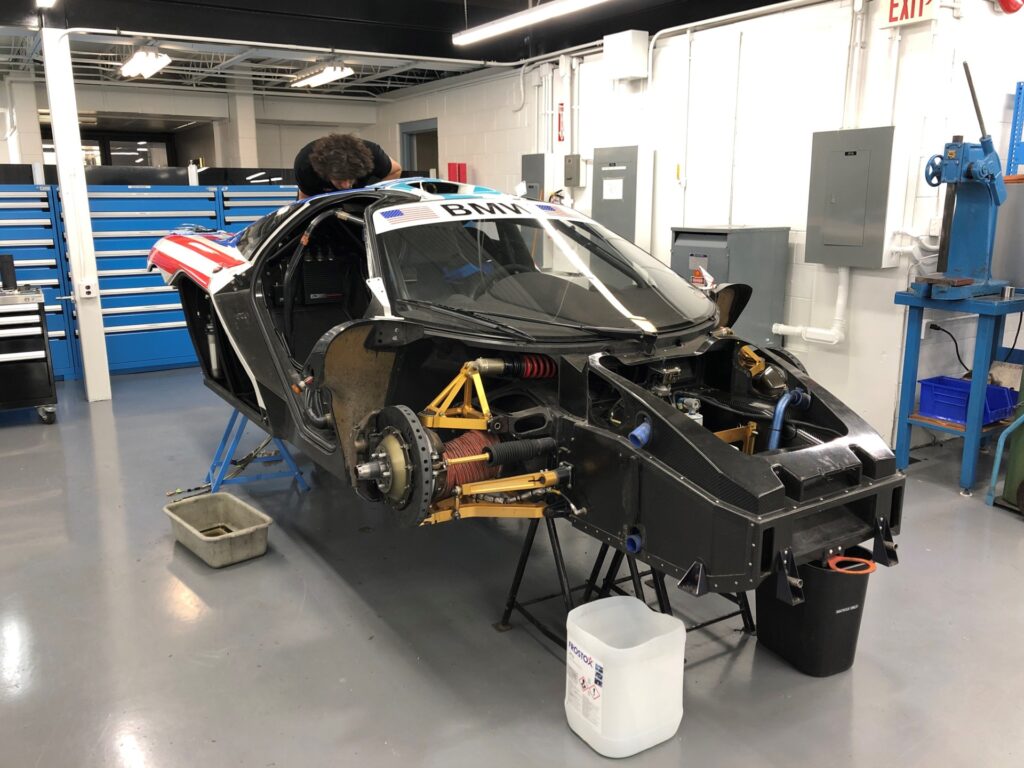
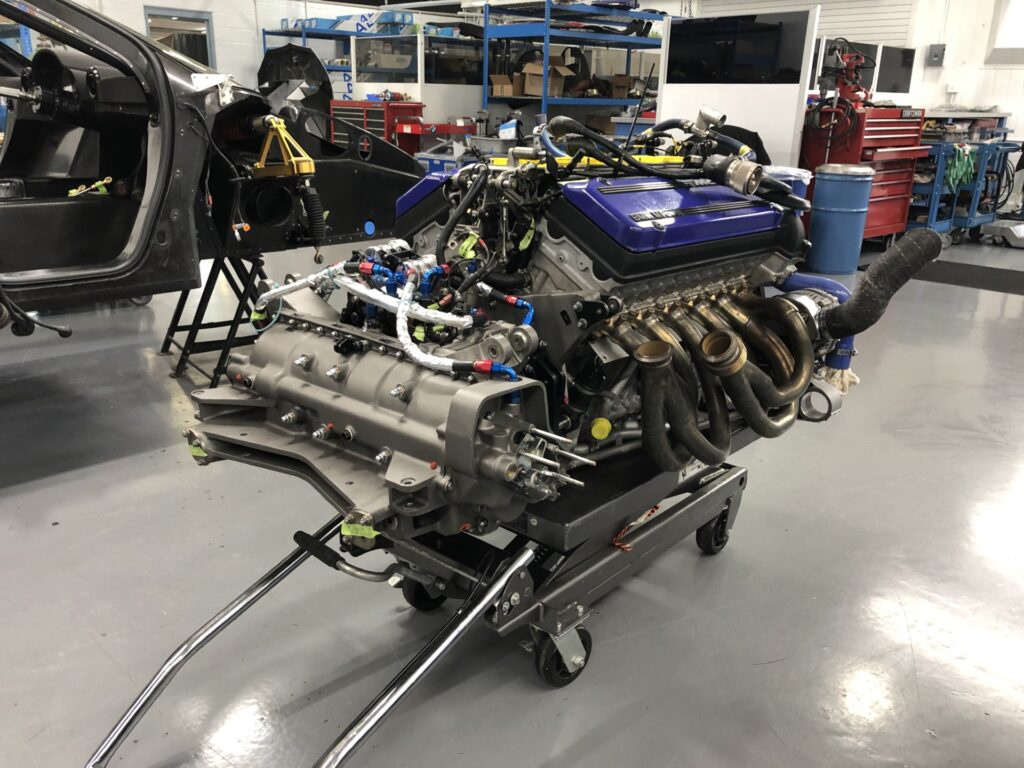
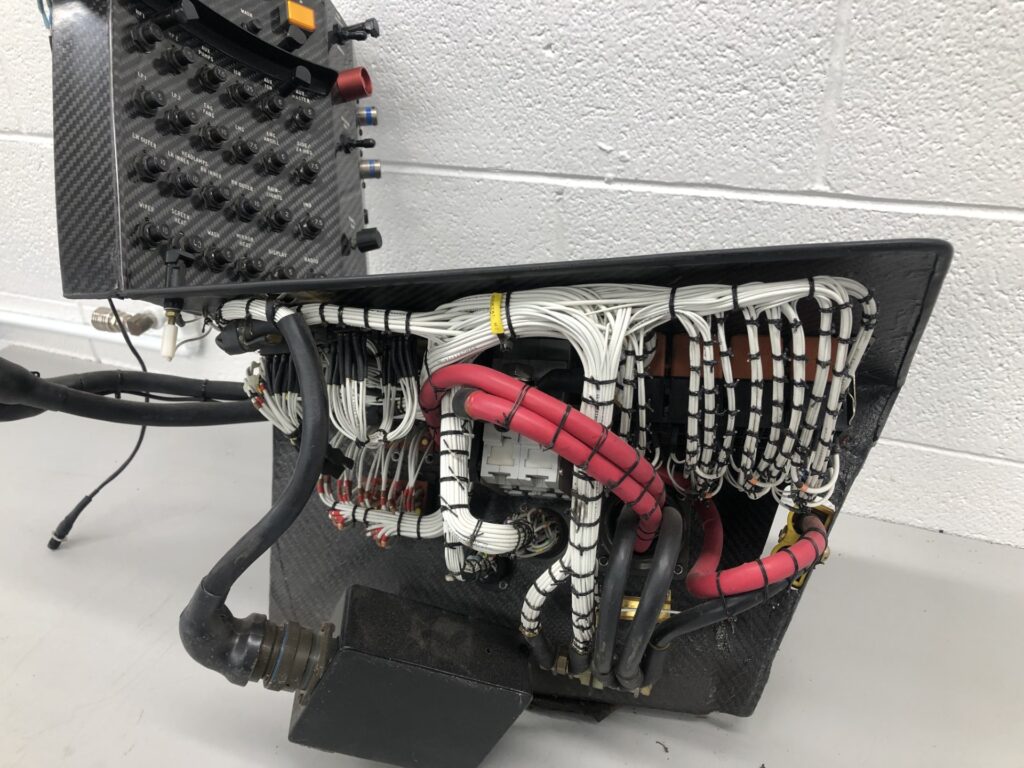
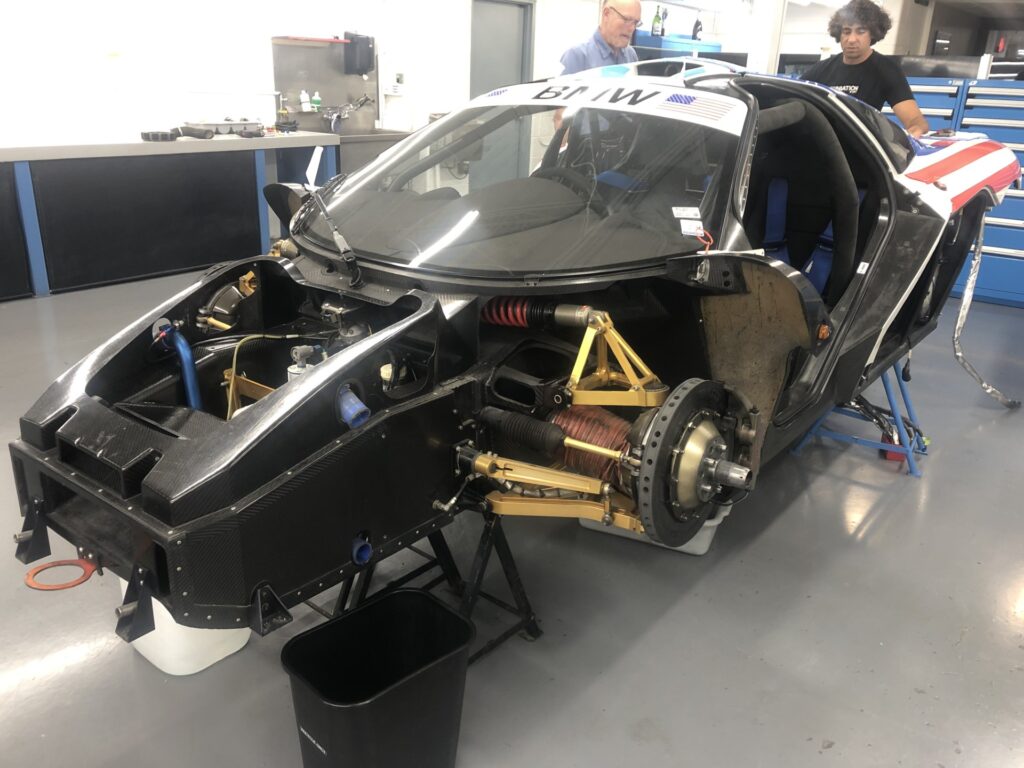
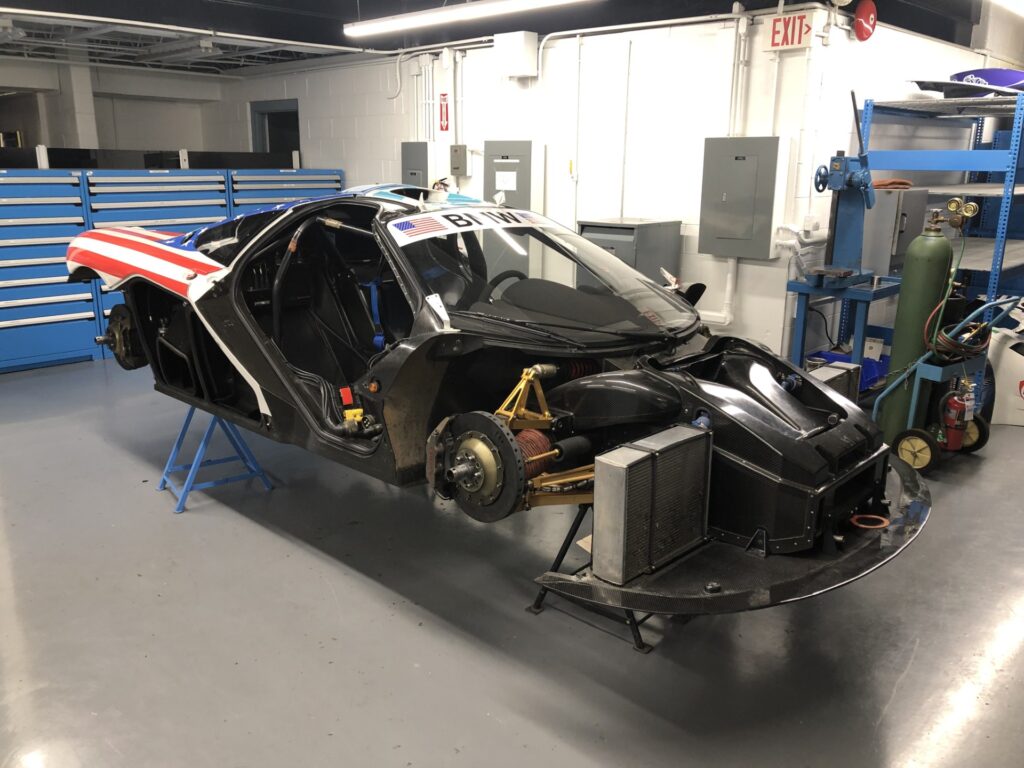
During our most recent major service (pictured above and below) we disassembled, cleaned, magna-fluxed, re-anodized, replaced parts and re-assembled. We replaced the fuel bladder, rebuilt and polished the gearing in the gearbox, re-stacked the multi-layer clutch. Removed the engine and checked it all. Replaced belts and various components.
-
- Photo: Tom Plucinsky
-
- Photo: Tom Plucinsky
-
- Photo: Tom Plucinsky
TO: Is there a point where it’ll need to become a static display because of value/insurance costs?
TP: I really hope not. At this stage, we only “exercise” it once or twice a year to keep it in full operating condition. At this stage, it is one of the only original owner examples and it is unrestored since it was re-conditioned after the LeMans race in 1996. To be frank, the value/insurance is an issue whether the car runs or not. Crash damage can be fixed—although expensive would be far less than the value of the car. Fire is worse case scenario.
TO: What’s the most mundane item you’ve had to replace that cost the most?
TP: The shift knob was stolen at a show several years ago. The non-descript black ball knob has a moving weight in it—kinda like a slide hammer. It was €750, and that was 10 years ago. The brake replacement was about $50,000 in parts.