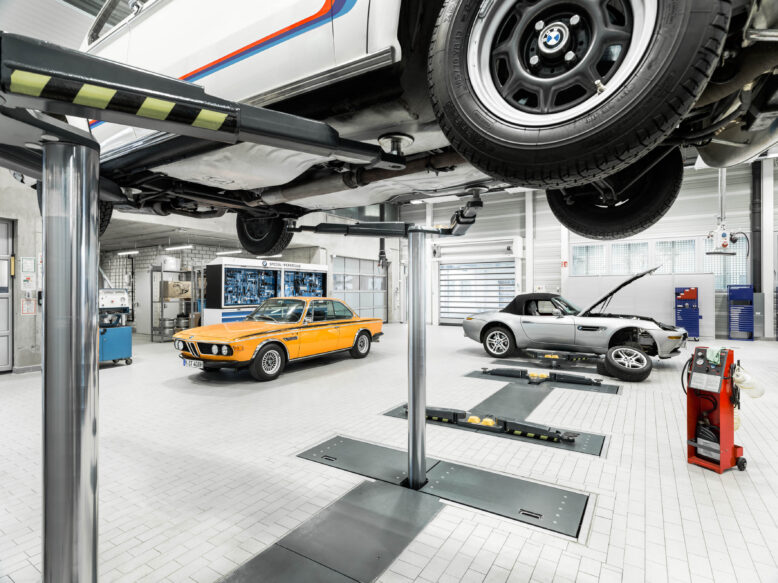
I’ve recently been getting an influx of inquires from potential new customers about if they should bring their car to me for service. While BMW is my forte, I will not turn down someone who has a Toyota and needs an oil change. I have to be versatile enough to be confident I can perform that service for them, but also that I can be capable of meeting promised times and communicating needs from the vehicle to the customer.
The funny part, is that I don’t realize their interviewing me until they ask if I can perform something as simple as an oil change or diagnose their check engine light. While I chuckle and reassure them that I can do those things, I can see the relief in their faces that they seemed to have found someone that they like. I want to share some tips for to use when looking for a new shop or mechanic to work on your vehicles.
Presentation
What is the first thing you notice when you pull up to a new shop or meet a new mechanic? Depending how the shop is structured, there may be a service advisor that greets you or it might be the mechanic who runs the whole show. Either way, take a moment to take in how that shop or person presents themselves. This is an indication of care and tidiness. While a shop may be messy during the middle of the day, I can assure you that a good shop or mechanic will clean up at the end once all the work is done.
Communication
How does the shop or mechanic talk to you? While mechanics are the experts in their respective craft of automobile repair, communication may not be their strong suit. However, finding someone who acknowledges your point of view and reciprocates with an answer that you can understand is key to building a good relationship. Being able to ask questions and get an answer with confidence is an indication that there is sufficient technical support and the ability to translate for customers to understand.
Ethics
How do you know that this shop or mechanic is ethical and will not take advantage of you? This can be something that is conveyed, however there are a few things that can be said in order to establish and gauge good ethics.
Mainly this comes down to the customer asking for further details or explanations of something they don’t understand. A good shop is patient enough to answer all your questions with a high degree of transparency. An example is showing pictures or videos of the condition or problems found with your car. While this a mandatory service with dealerships, independent shops are slowly breaking into this when competition is tight. Another tip here is to ask for a breakdown of the services or repairs when discussing work approval. A lot of times shops will just give you the full cost of the job without showing you where the parts and labor is going. While some may not care about this, I’ve found that if I take the time to break it down section by section, I am able to build transparency and trust faster, especially with a new customer.
Options
It’s easy for a shop or mechanic to diagnose a vehicle and tell the customer it “costs this much to fix, take it or leave it.” Generally, this happens when there isn’t much thought or care put into the interaction to sell the job. A good shop or mechanic will present options for you to choose, if the circumstances allow it. But the indicator here is that thought was put into it. That is a strong indication that shop or mechanic isn’t trying to take your money. This is different from not charging to install wiper blades or a turn signal bulb, but it holds the same values that good shops and mechanics have.
Ownership
Let’s face it, accidents and mistakes are going to happen. We’re all human and the cars are machines. While I have witnessed situations in which ownership needed to come out, the pattern is true in that if a mechanic or shop is going to own a mistake, its because they truly practice taking care of the customer. Especially if the customer did not expect to hear the honesty. The situations where I have had to own my mistakes, despite the initially hard conversation, end up going rather smooth when you say: “I’m sorry this happened, we are taking care of it.” While this may be an unfortunate scenario with the shop or mechanic currently in use, ownership to a fault is a virtue. This is kind of like a hidden test for shops and mechanics, so be sure to let them know if they passed or failed.