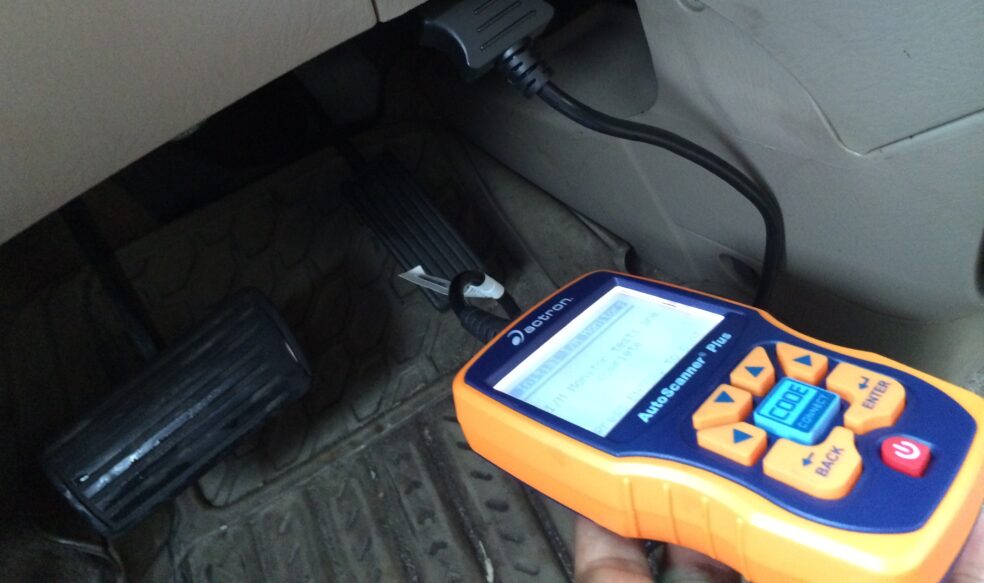
Back when I was enrolled in automotive school, I remember being in one of the classes in the shop, learning to use the various scan tools at our disposal. I have a distinct memory of a group of classmates next to me, scanning a dummy vehicle for faults. Upon getting into the fault memory with several or more faults stored, they elected to delete the fault memory, with the theory that if there is a faulty part, the fault will return immediately. Ironically, this is not how the system works exactly.
Faults are stored by certain parameters being met or exceeded. Some faults do not return right away, even if the component in question is actively failing. The scan tool is simply that, a tool. Interpretation is the key to understanding what it is telling you.
When it comes to diagnosing fault codes on your own, here are five tips for the most common faults to help you understand what you’re looking at.
Oxygen sensors
These are simply for feedback to the engine computer about how much fuel is needed. If there is a fault related to the oxygen sensor, pay very close attention to the description of the fault being stored. Oxygen sensors are going to store two different types of faults: One is for fuel trim being too rich or too lean. The other is for the heater circuit or signal circuit being open or shorted. It is a common mistake to see an oxygen sensor fault stored and assume it has failed. The real problem with interrogating the oxygen sensor, is figuring out which sensor has failed. Again, pay close attention to the stored fault description. B1S1 means Bank 1 Sensor 1. Bank 1 = Cylinders 1-3 Sensor 1 being before the catalytic converter and S2 = Sensor 2 being after the catalytic converter.
Camshaft/Crankshaft Signal
These faults are usually indicating that the signal circuit for the sensor is failing. However, this is only true if the engine is in (mechanical) time. Meaning, these faults are stored if there is a problem with the signal to the sensor or if the signals do not align with each other. If there is ever a fault code for camshaft/crankshaft synchronization, that means you have a mechanical timing issue in the engine. Generally, this could be an indication of a few things: a failing VANOS unit, low oil pressure, or timing chain guide failure.
Thermostat Related
Faults associated with coolant temperature generally point towards either bad sensor or a thermostat not operating correctly. It’s important for the cooling system to be working properly for the engine computer to determine ideal operating parameters. If the coolant temperature stays too low, the engine consumes more fuel until the proper operating temperature is met.
Cylinder Misfire
The important key here is to see if the misfire is isolated to the cylinder or if it travels if you move the ignition coil or spark plug to another cylinder. This is text book diagnosis for this particular fault. The catch here is that if the misfire does not follow, what do you check next? In my experience its rare for an injector to cause a misfire, but not out of the question. But it’s far easier to perform a compression test on the cylinder than remove the fuel injector and swap it with another. When chasing a misfire, I recommend moving all coils on the affected cylinder(s) and clearing the fault memory before test driving the car to see if they return.
Fuel EVAP
This one can be tricky and seem foreign to most as it deals with the gas tank and fuel vapor. Any time there is a fault for EVAP leak, check and re-secure the gas cap. Secondly, if there is a fuel smell in any way/shape/form, that will need to be addressed before chasing an EVAP system fault. When it comes to faults related to purge/flow rate, that is the EVAP system unable to determine if it was able to vent into the engine. Generally, this points to a failing purge valve or EVAP canister vent solenoid.