Odds are there are few people reading this who have never bought anything online. Before you laugh, my mother never has. She calls and tells me what she wants and promises to reimburse me. But beyond her and folks of her generation, many of us don’t even pause before clicking “proceed to checkout” on Amazon or one of the thousands of other online portals. You can even buy cars on Amazon now.
I’ve bought and sold many cars online, so I thought I’d share some thoughts from my experiences. The secret, if there is a secret, is to use common sense. If it doesn’t feel right, walk away. Your feet are the strongest tool in your arsenal.
Approach your buying adventure as you would any other car purchase. The difference doing it online is that there is a decent chance it’s not nearby, so you won’t be able to sit in or drive the car. You’ll have to rely on the pictures and put a lot of trust in the seller. How you gauge their honesty and disclosure thoroughness is up to you, but I’d strongly suggest that an individual seller will know a lot more about their car than a salesperson who is trying to sell out of his or her 80 car inventory and doesn’t really know anything other than the color. Either way, if you don’t see it in the pictures, then it doesn’t exist. Make sure that the pictures are current and unmodified. Don’t trust anything that a seller says unless you can verify it. People complain that Carfax is imperfect, and it is, but regardless it’s a useful tool in this process.
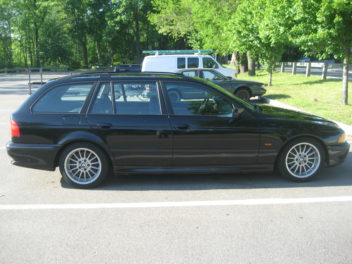
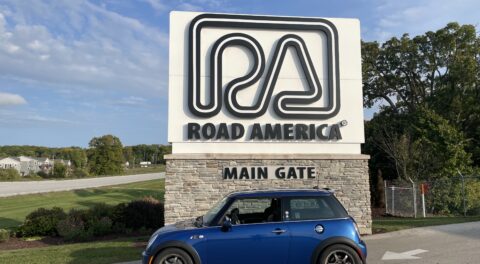
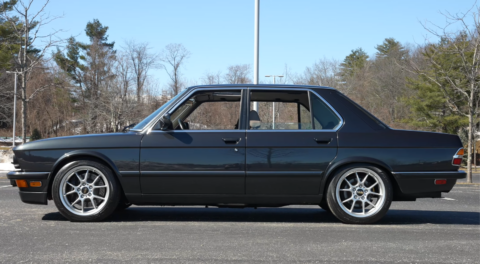
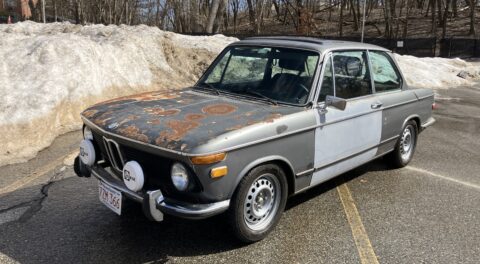
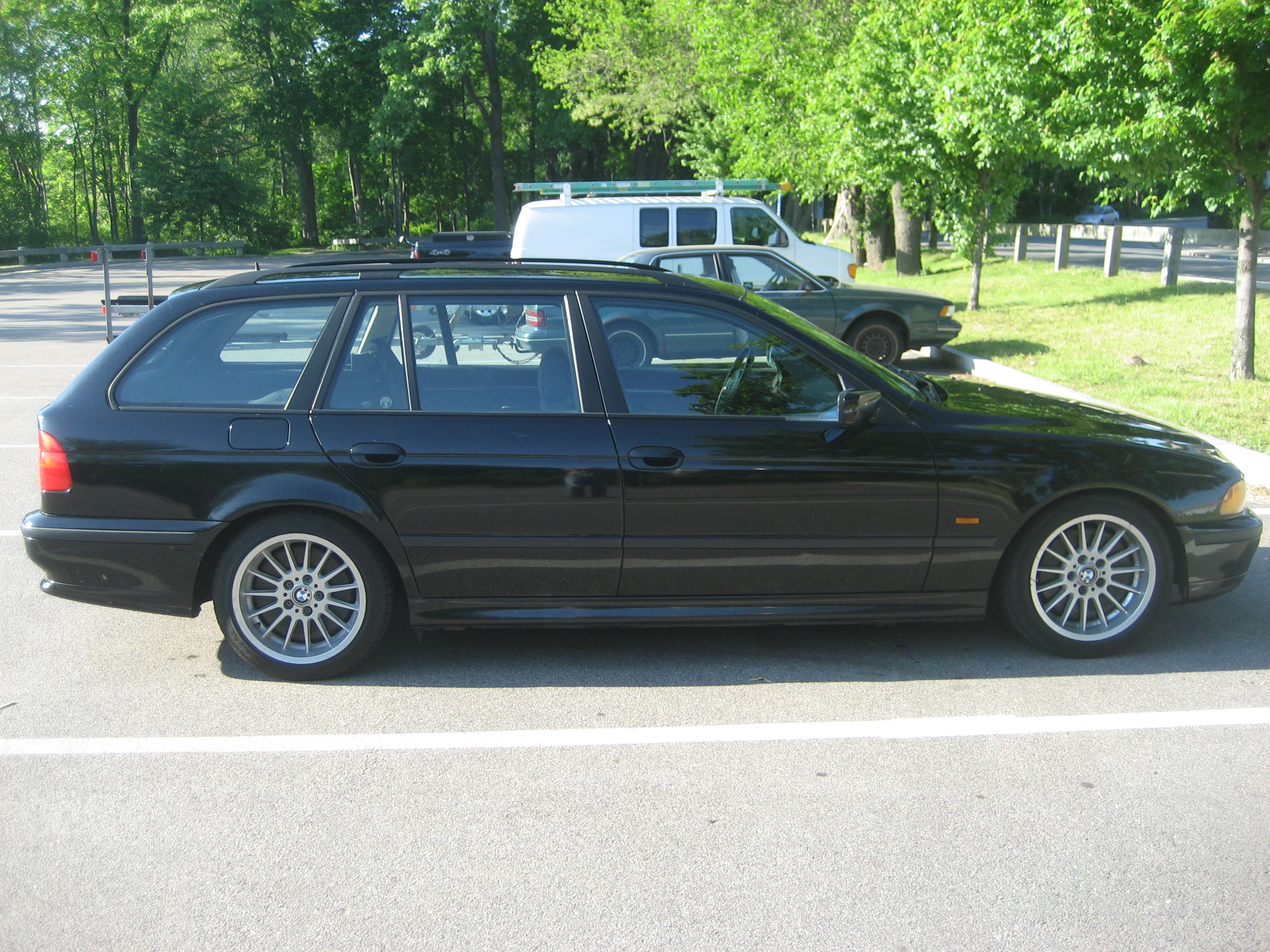
I’ve bought cars online, remotely, from private sellers and dealers. All of the private sellers were BMW CCA members, and without exception they were the finest people I’ve ever dealt with. That’s not to say that a scammer can’t join the club, so you still need to be careful. Dealers are another story. Research them, look at Google reviews (although those are often fake) and if possible, use enthusiast forums like Bimmerpost or the club’s online forum to find people who are local who might know the dealer and their reputation. They may even be able to check out the car for you.
So, dealer or a person, it doesn’t matter once you’ve agreed on the price. If it’s a used car then I strongly suggest a pre-purchase inspection (PPI) at the shop of your choosing. You will pay for it, of course, but the seller should arrange to take the car there. You can also get mobile inspections, where the technician will drive to the location to inspect the car. You will get photos and a write-up of what they find. I prefer a shop where they can put it up on a lift and really take a good look. Either way, expect to pay $150 or more, but it’s money well spent, especially if you’re buying a used Jaguar… ask me how I know. If the seller refuses to allow you to do this, then walk away. They’ve got something to hide. It’s also possible that they have a lot of interest in the car, and if you don’t buy it someone is standing by to do so, and they don’t want the extra hassle. In that case, you should still walk away and find another car. Conversely, if you are selling a car and someone requests a PPI, then put yourself in their shoes and help them out. If it’s a good car then you’ve got nothing to worry about. When I’m the buyer, I will agree with the seller on our price, subject to the PPI. If the PPI finds anything, then that’s a topic for discussion to either adjust the price or walk away, or just accept it as is. Once again, those feet are there for a reason.
Once that’s all done, you have to pay for it, and either fetch it or have it shipped. If you are buying from an individual, don’t be afraid to ask for a copy of their license (it should match the address that the car is located at) and then Google that person and see what comes up. Pay for one of those sites to research their criminal record, if you wish. Sometimes you can call the local police department and get a copy of their criminal records, possibly for less money. I did that once, and when I balked at paying the fee, the person I talked to was kind enough to tell me that there was no record. Odds are, if you’re buying from a licensed dealership, they don’t want to lose their license, and they will follow-through with the deal.
It is acceptable, in my mind, to send/wire/Venmo a deposit and then fly in to see the car, pay the balance, and drive it home. This really works best when the seller has the title and you have the cash. When financing is involved, that complicates the whole deal. You, the buyer, should write a check to the seller for their equity and write a check to the bank for the payoff for example. If you are financing, then it’s going to be up to your bank how they want to handle it. Be sure that you have your ducks in order before you fly up to get the car, or pay for a shipper to pick it up. If you do it through a dealer it’s much simpler, but watch out for their tricks. Marking up the rate, forcing you to buy protection plans, etc. still goes on these days. Don’t do it. Make sure all of the numbers are confirmed before you get the car.
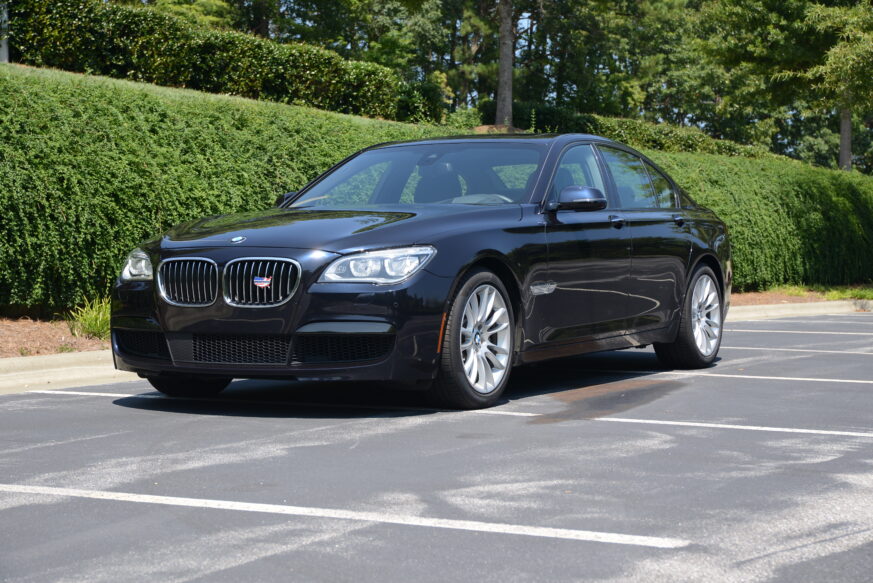
All those words can be summed up by simply saying: come to an agreement where both parties are comfortable. If you don’t like the way that it worked out, then walk away. There will always be an element of risk when buying a car, it’s up to you to decide how much you can handle. My last purchase was a used 7 Series. It was between a car in Georgia and a local car here in NC. The local one was more expensive, but most of the uncertainty was eliminated and for me, the additional cost was worth it to stay home. And yes, the car has been great.