Welcome to Tech Talk, where our resident BMW tech Nick Owen answers all your pressing BMW technical questions, frustrations, and issues. Have a question for Nick? Email him at techtalk@roundel.org. Let’s get into it.
New Car Advice
Looking for my next weekend ride. Any chance you can share your opinion on the 2015 650i coupe? Drivetrain/engine reliability issues?
Thanks for your time
Patrick Ongena
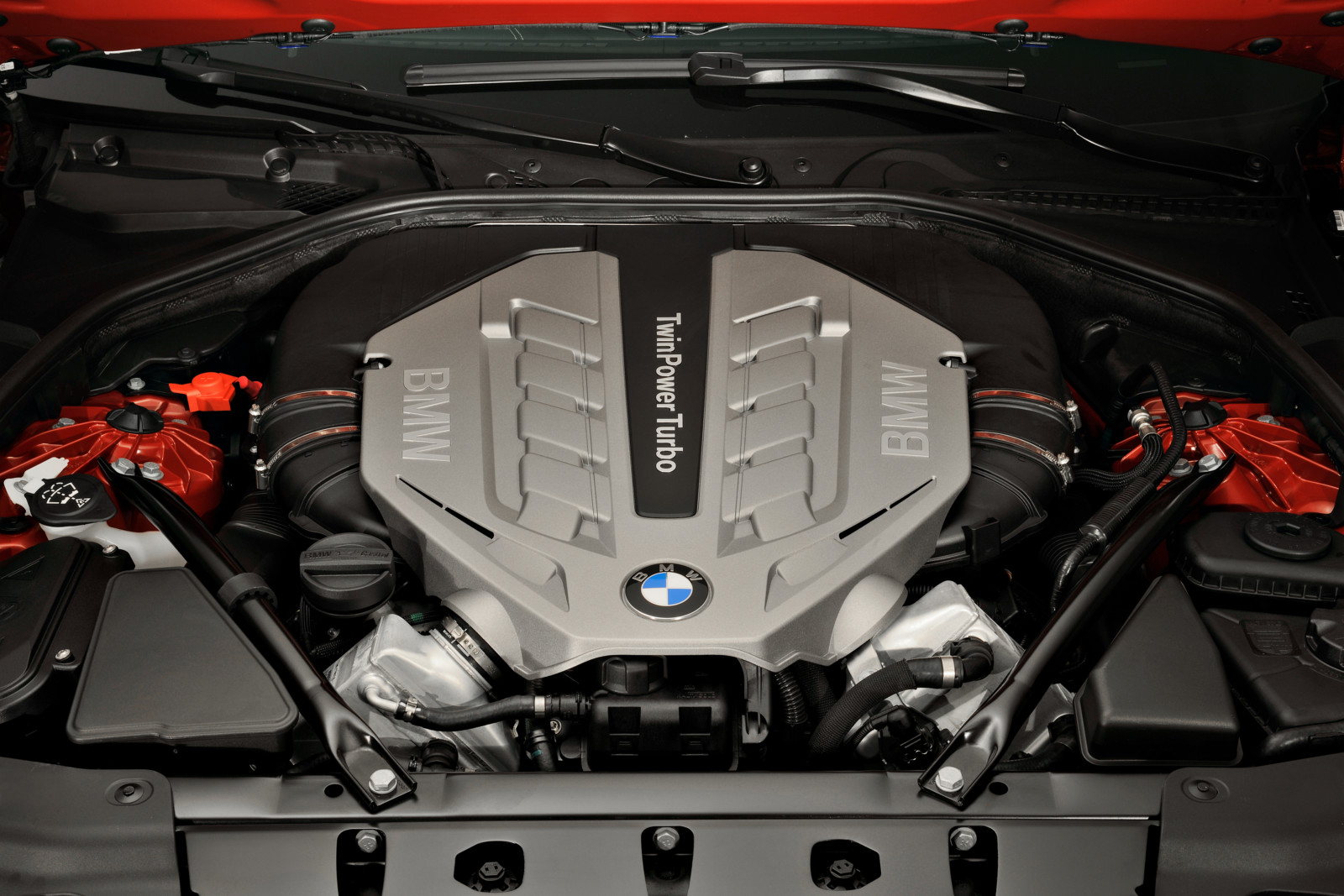
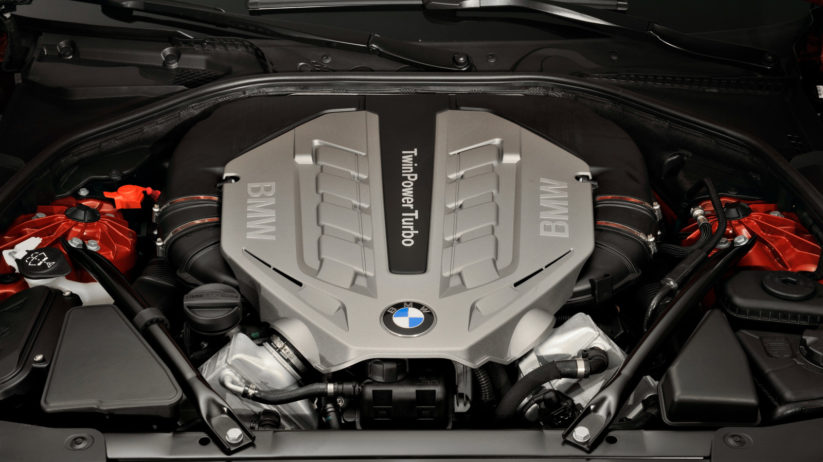
While the F13 chassis is pretty good, the N63 that powers it is not. I would steer away from all BMWs with the N63 V-8. Is it a good engine? Yes, but the repair maintenance is atrocious. You might get away with it for a while considering the mileage is so low but eventually that engine will need thousands to repair. It is a gamble I do not like but this is based on how many of these I saw come in for repairs over the years. It was good for techs but hard on the customer.
In my professional opinion, look for a 640i with the N55 engine. Less power, but same driving experience and way more reliable.
A Wobbly Question
The car, a 2018 M240i, is in as good shape as, and even better, if that is possible, than the time when I took delivery. I am not aware of any problems with the car at this time. However, ever since I took delivery of the car, I have had a vague feeling that the car ride is on the wobbly-ish, jittery-ish side at all speeds and on all kinds of roads, and I would like to try to improve this condition.
I would like to hear your thoughts about a general approach that I should take to identify areas that I could consider changing/ improving in the car in this area of interest. I would also like to hear your thoughts about adding a strut brace and improving the sway bar(s). And in the specific case of the sway bar(s), I see a lot of after-market offerings but quite frankly I am not sure, starting from the OEM in the car, in which direction I should improve, material, diameter, etc.; my inquiry to a local dealer on the subject did not merit an answer which I find somehow amusing.
From my opinion as a driver, I feel confident that tires, wheels, steering, brakes, and the overall response of the car to switching eco/comfort/sport mode are all in tip-top shape. The original 18-inch tires were Michelin, HP, run-flat, which I changed for Continental of the exact same pedigree and there was no noticeable difference, I make sure that tire pressure is within +/- 1 psi of specification before driving the car, and the tire wear is impeccably even. Any thoughts on the potential effect of changing to non-run-flats?
Best regards,
Ivan Lozada
Sugar Land, Texas
When the F22 first came out, I also felt that the car was rather “twitchy” or “nimble,” to say the least. While this feature of the vehicle has its positives, I also felt that it was maybe too much and gave a sensation that made the car feel unstable. While I could not tell you the exact cause of this sensation, I can tell you at a variety of factors about the car can all add up to contribute to a particular feeling when driving the car. These items include but are not limited to: track width, wheel base, ride height, suspension design, spring/shock specs, sway bar stiffness, and camber and toe settings. I must mention that a main contributor to this sensation is the rear toe setting. I am going to assume the vehicle goes straight down the road but if the rear toe is set to “toe-out” versus the traditional setting of “toe-in,” then it is possible this is causing the sensation you are feeling. However, if the car has been aligned lately, it would be most likely be noted on your printout that the vehicle is opposite from its factory setting of rear “toe-in”. I would verify this before proceeding with any kind of upgrades.
When it comes to suspension upgrades, I always recommend to do it in stages. If you put a completely new suspension on the car, you now must go and relearn how to drive it with all the new changes. By doing it in steps you can better feel the progress in changes to better fine tune what it needs or what you want out of the driving experience. The most common assumption is that a stiffer suspension is better. Or lowering the car, bringing down the center of gravity, makes it handle better. While the placebo effect of these changes can make you think the car is driving better, it is not always the case. Stiffening the suspension takes away grip. While taking away grip has its time and place, it is important to understand what each part of the suspension does. In a brief context: Shocks and springs harness and release energy. That is how the car can absorb changes in the road and not allow those changes to dramatically affect the chassis or drivability of the car. Sway bars do not have a part in this role until you go and turn the car. Think of a sway bar like a spring except its going side to side instead of up and down. All these components work in different but similar ways to keep the chassis balanced and to push the tire back onto the ground. It is about fine tuning how fast you want the suspension to do it. While shocks, springs and sway bars are a good upgrade, they may not fix or improve the issue you are chasing.
It is possible that changing the track width or offset of the wheels (to fit a wider tire) and extend the overall “foot print” of the vehicle could help improve your issue. If you want to extend the track width using wheel spacers, I would recommend converting to wheel studs and nuts from places like: Motorsport Hardware/Bimmerworld/Turner. There is no real issue changing to non-run flats except the obvious risk of being without a spare or a way of limping to a safe place. If you are on Michelins, you are already on one of the best tires in the world, deviating from this preference is up to you.
Bushing or Control Arm?
I have a 2018 230xi with 80,000 miles. I recently noticed oil spots on the garage floor located just inside the front wheels. I had an indie shop look at it. They showed me oil leaking from the front lower control arm bushing. They recommended replacement of the control arms and a wheel alignment. Is the bushing replaceable itself or do I have to replace the control arm?
Thank you,
Joe Kulig
Plymouth MA
Conventionally the bushing is replaceable separately. However, the only way to replace it is to press the bushing out of the arm by either hydraulic tool on the arm while still in the car or remove the arm completely and use a wall or bench press to push the old one out and new one in. The entire arm with bushing is available which would include a fresh ball joint as well. You are looking at a $50 bushing vs a $100 arm that includes the bushing.
This job kind of depends on what you want repaired vs what the shop can do. If the shop does not have a proper press, then replacing the complete arm is the repair they are going to recommend. But by having a press, the labor might be to remove the arm and press in/out the bushings. Back in the day, replacing just the bushing was what we did day in and day out. However, there was mild risk in having trouble getting the old bushing out and damaging the new one when pressing it in.
If you ask me today, replacing the whole arm with bushing in the way to go.