
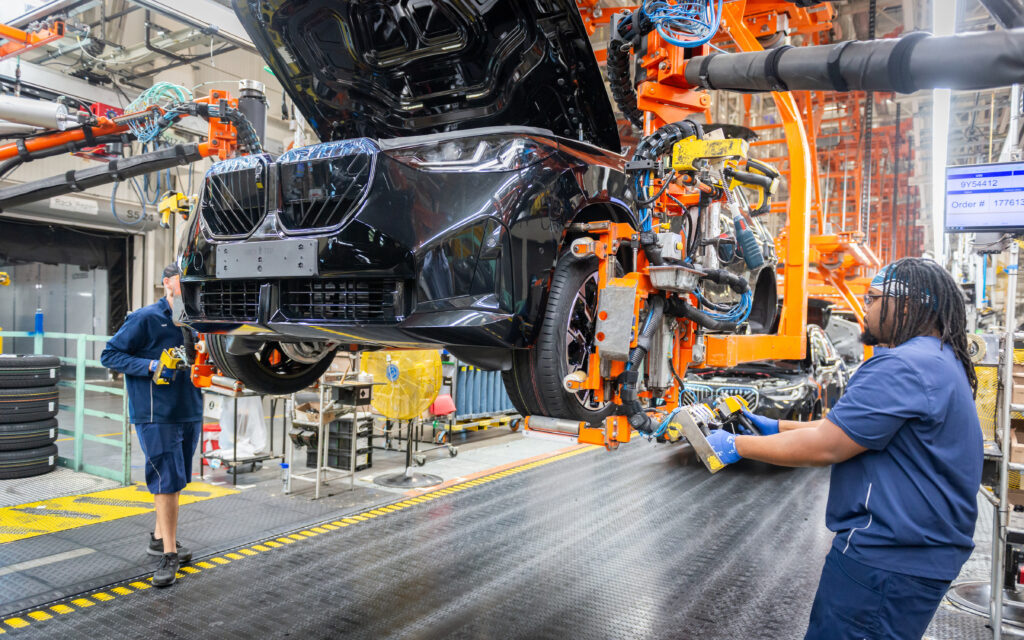
Parts sharing is a commonplace in the automotive world, always has been. Why develop unique window switches for each model, when you can just create one kind and have every car you make use it? However, what’s less common — but still very much done — is having multiple automakers use the same part. Typically, this is done for things like sensors or fuel pumps, which are made by OEM suppliers like Bosch or ZF, and used by several car companies. Hell, even transmissions and all-wheel drive systems are shared. But BMW is about to increase the amount of generic shared parts it uses in its cars, according to BMWBlog, to keep costs down and, let’s face it, compete with China.
Chinese automakers share a ton of common parts, which is one of the ways they’re able to keep prices so much lower than their competition. And since Chinese cars are becoming more and more popular around the world, BMW knows its needs to compete.
BMW says this won’t affect its quality, or reliability. It isn’t just going to use any off-the-shelf part. Instead, it’s going to use more high-quality parts from reputable suppliers instead of develop more of its own. “There are industrial standards on the market which are convincing, and it would be wrong not to use them,” said BMW CEO Milan Nedeljkovic.
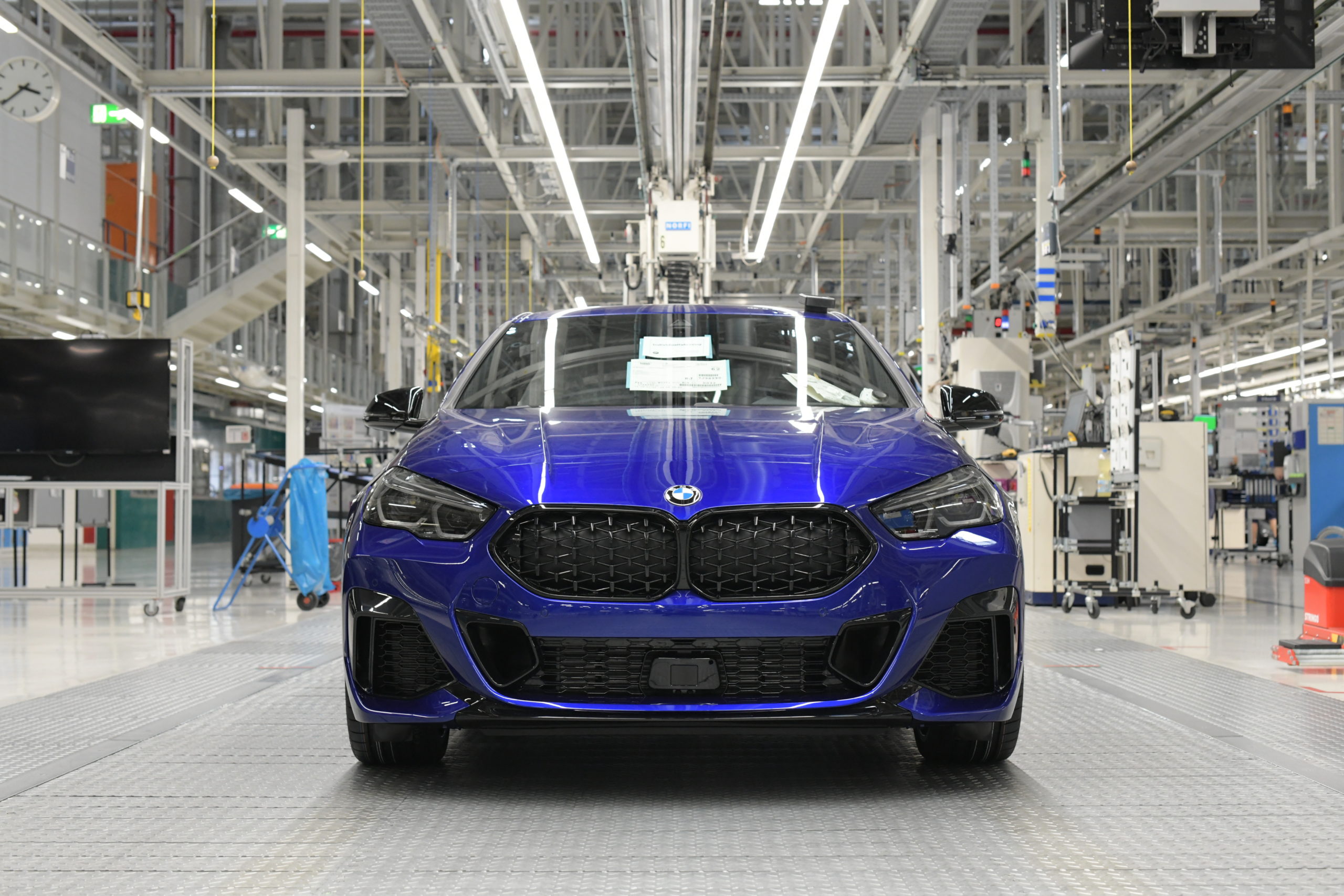

By using them, BMW can streamline its R&D process, speed up development cycles, and ultimately keep production costs down. Lower production costs means higher profits and, if BMW is wise, potentially lower vehicle costs for customers.
These likely won’t be parts that you see inside the car, or even under the hood. While BMW didn’t say exactly which parts will be shared, they’ll likely be nitty gritty parts, like sensors and wiring harnesses. Maybe more hoses, cooling fans, water pumps, stuff like that. If they’re made by high-quality suppliers and they work for multiple automakers without issue, it should be a safe bet.
That won’t be its only cost-cutting move, though. BMW will also cut the fat out of its portfolio. Cars like the European 2 Series Active Tourer have no successors, so they’ll be gone from the lineup soon. With fewer models, especially those that don’t sell well, BMW can further keep manufacturing costs down. These big changes, in addition to reducing managerial roles, will help BMW stay profitable as competition from China heats up. Will that mean lower costs for customers? I certainly hope so but that isn’t usually the case.