
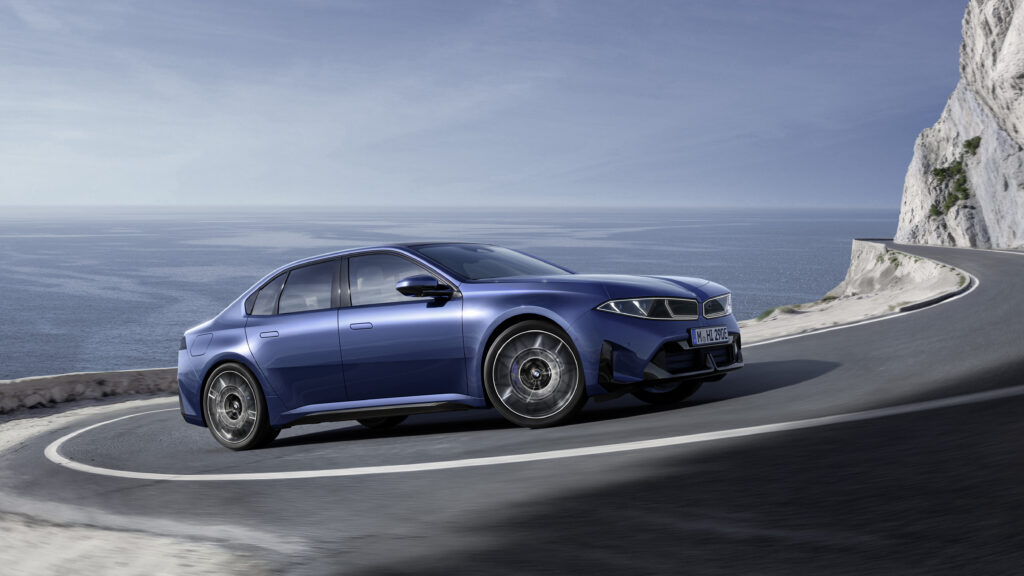
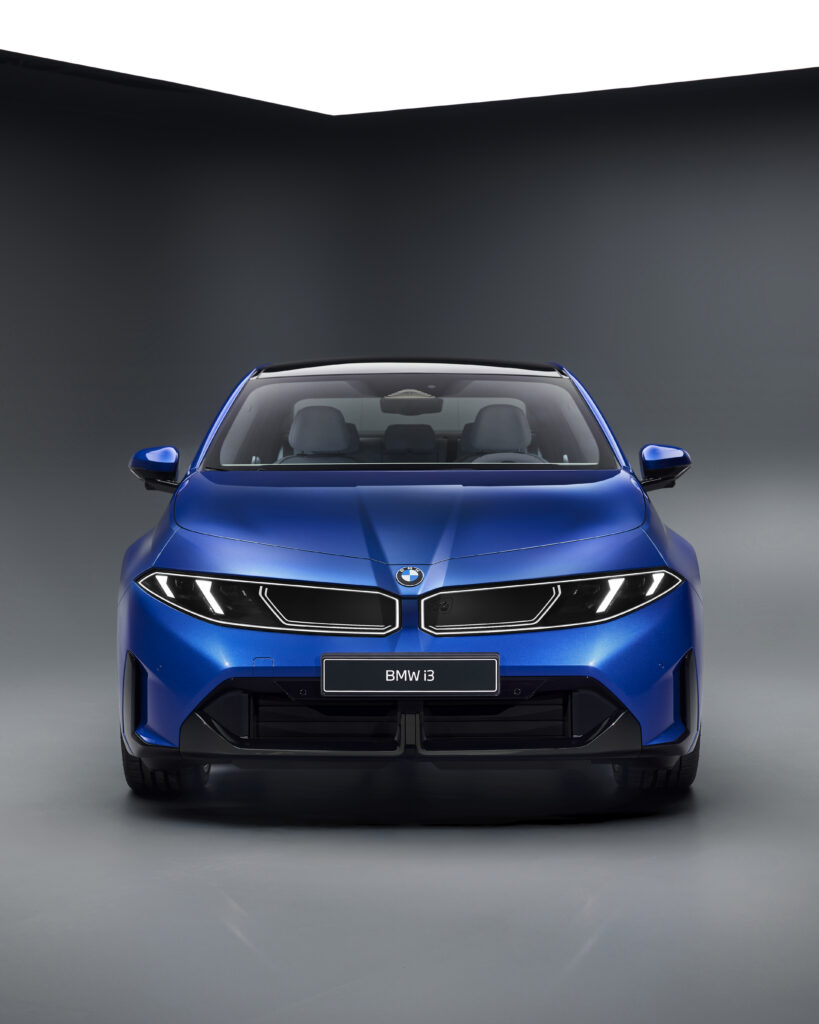
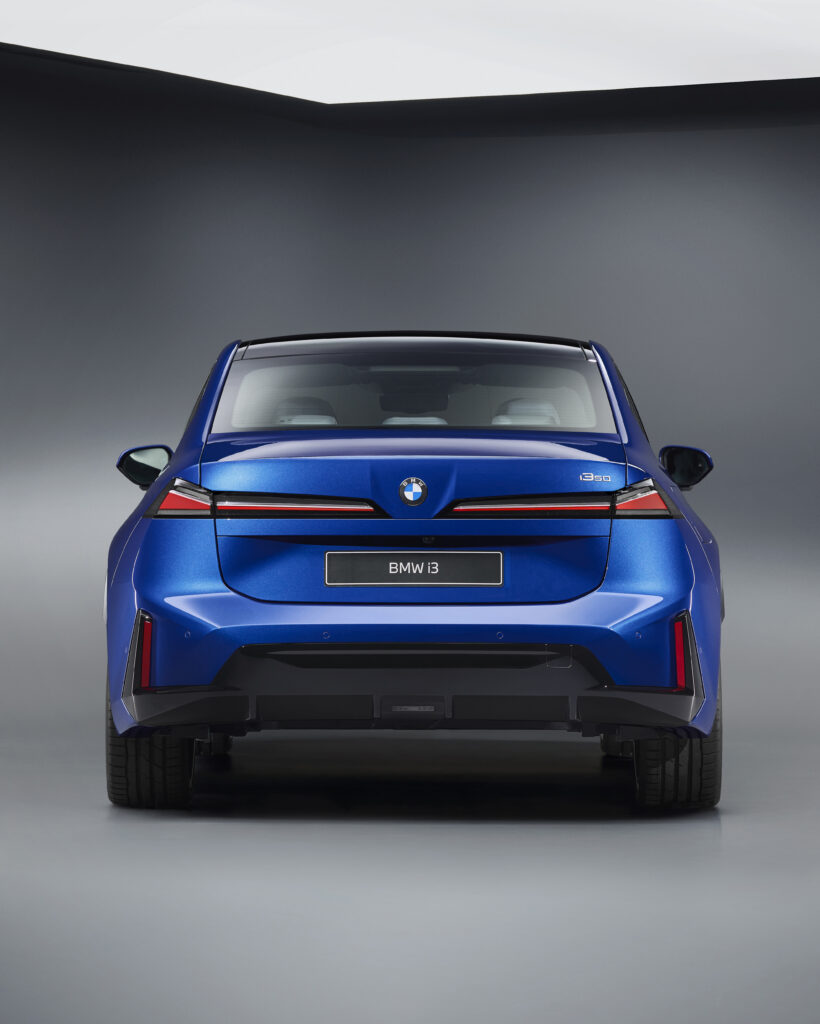
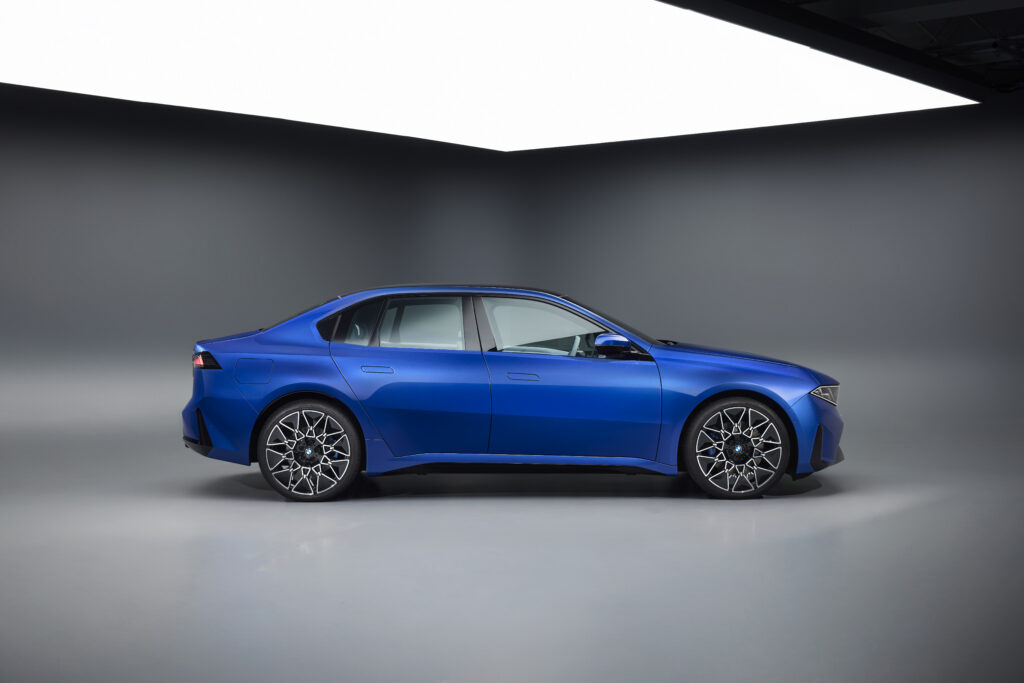
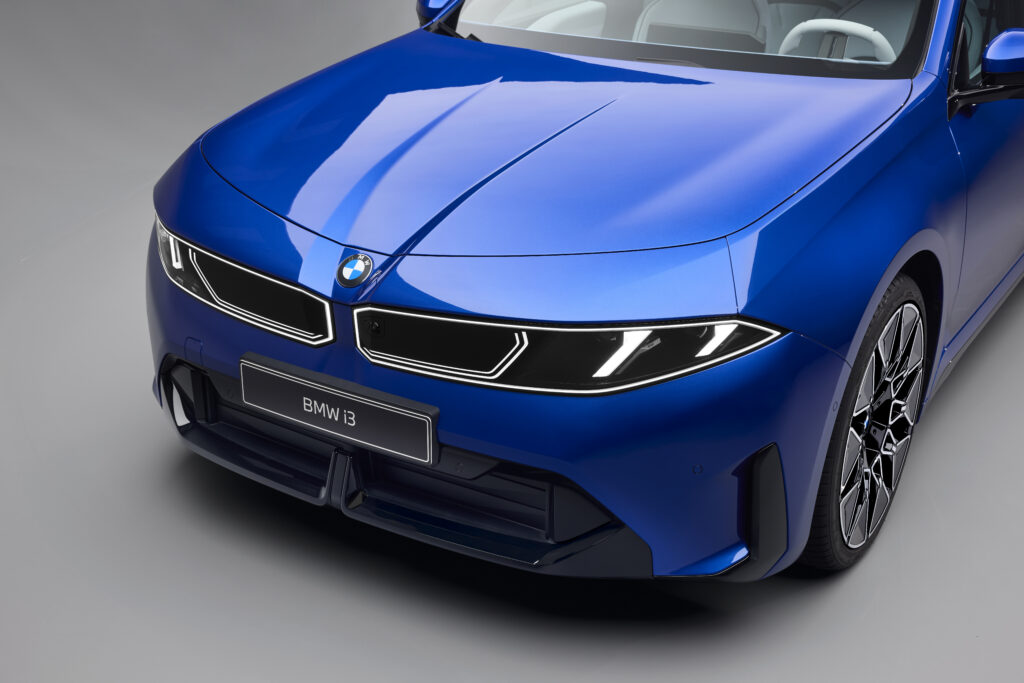
You didn’t think BMW would go through all the trouble of developing the Neue Klasse platform just for the iX3, did you? No, this is no one-and-done. There’s another model coming, and it’s called the i3, a new take on the alphanumeric identifier of BMW’s first mass-market electric car.
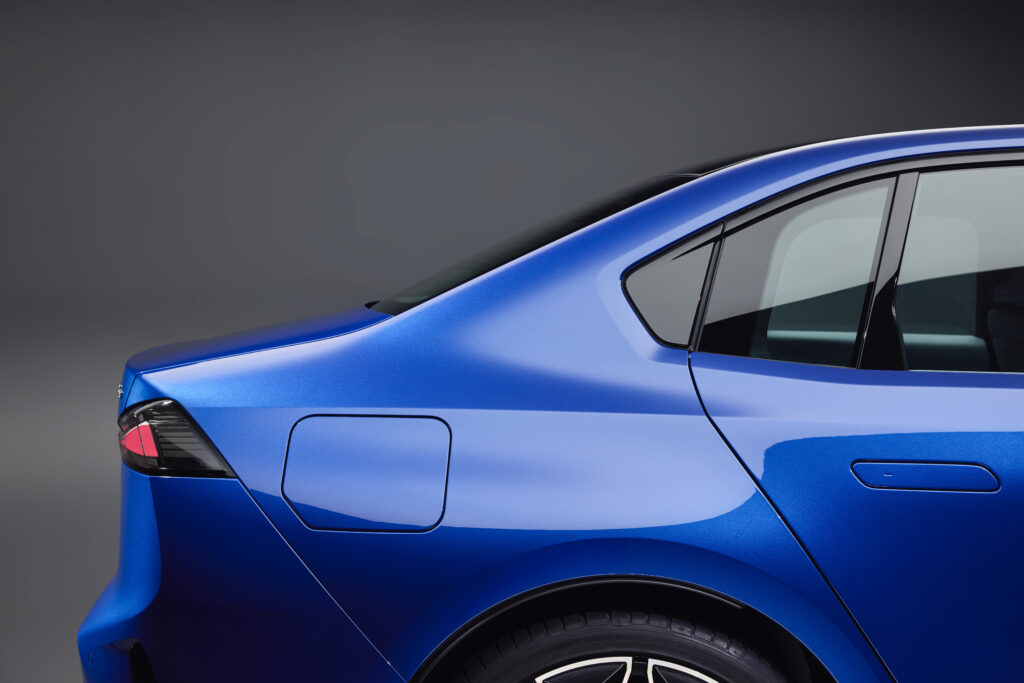
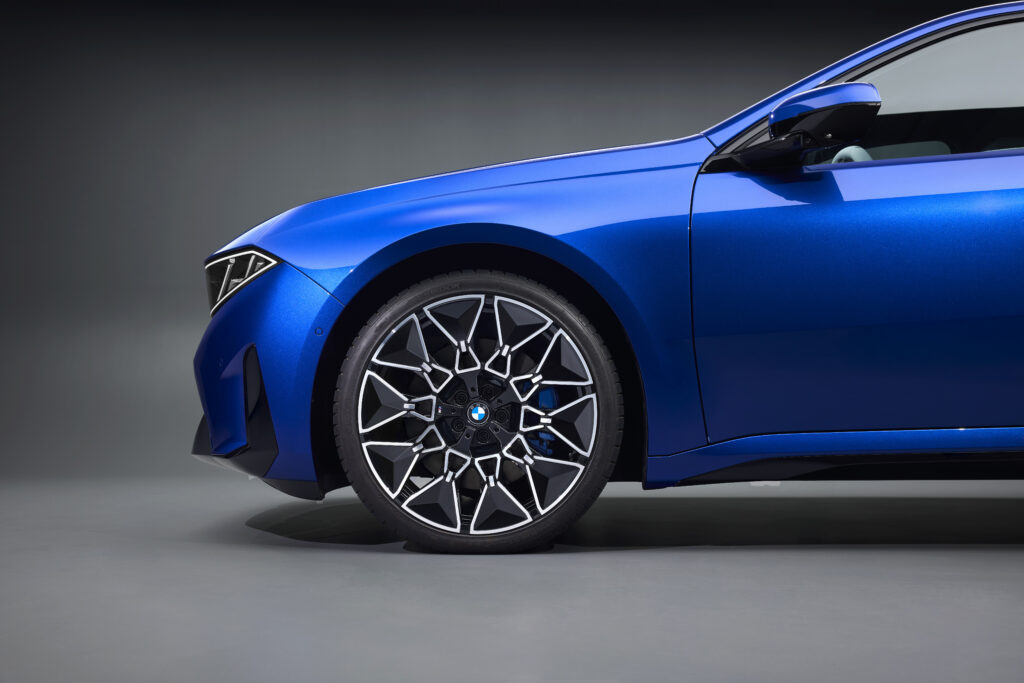
This, though, isn’t a quirky little hatchback rolling on skinny tires. This is the proper, ground-up, purpose-built electric 3 Series we’ve been waiting for, and its eventual M-branded variants have the potential to revolutionize the EV performance game.
We’ll have to wait a little while for those. What we’re getting initially is instead the i3 50 xDrive, which, as the name suggests, will offer all-wheel drive, here thanks to a pair of motors that will deliver 463 horsepower and 476 pound-feet of torque.
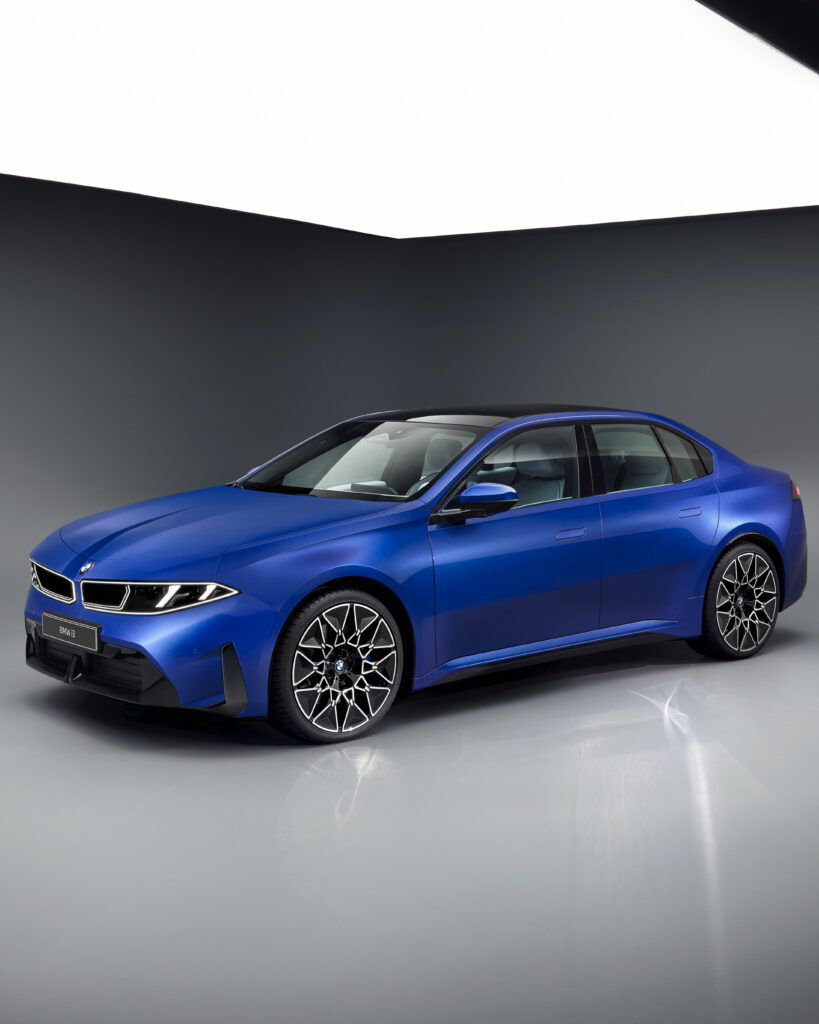
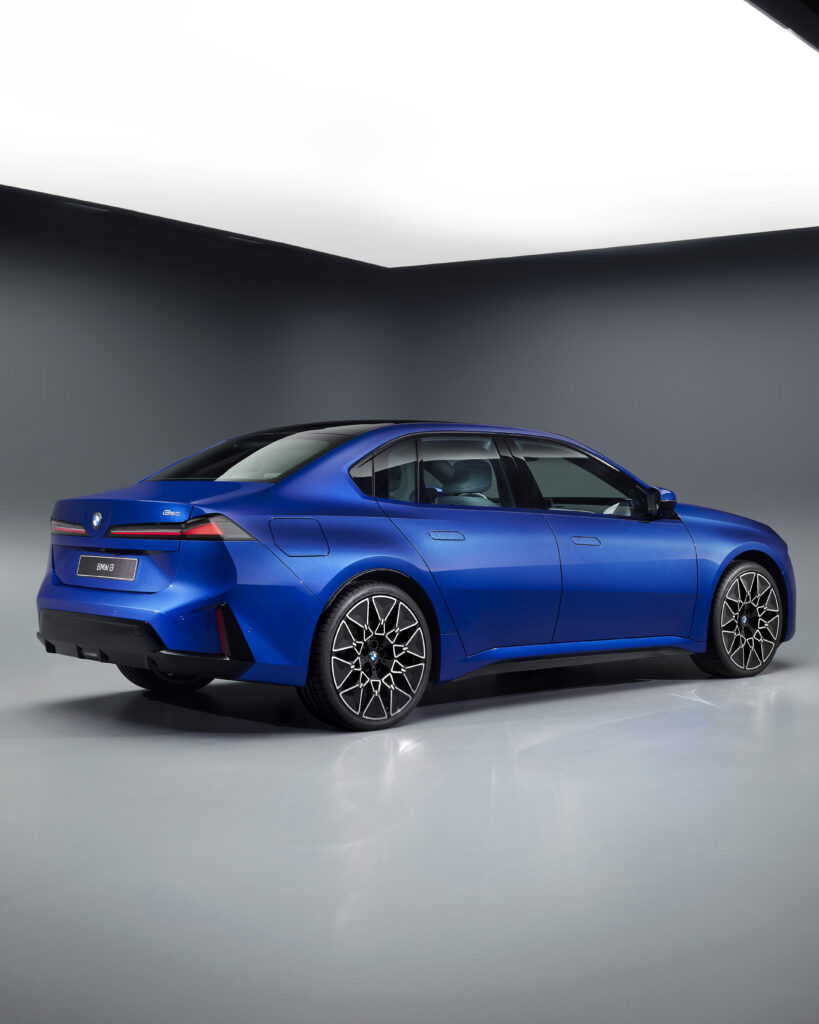
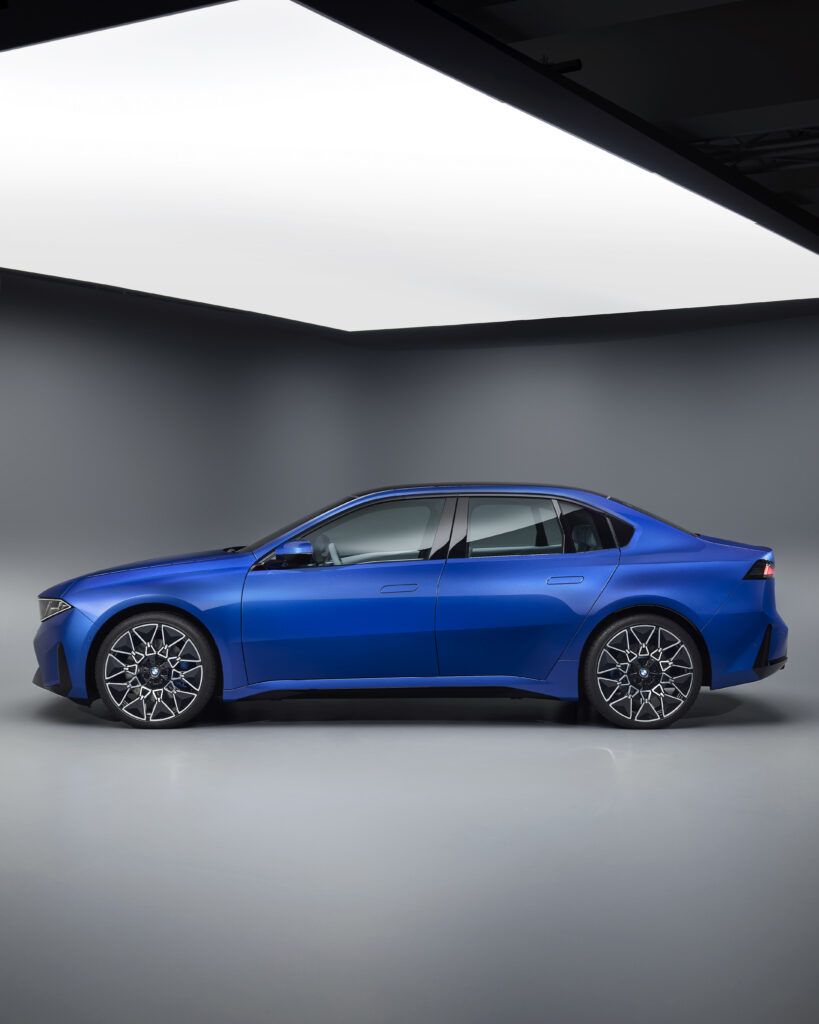
One motor will live in the front and a second in the rear, the same basic configuration as the iX3 50 xDrive and similar motor technologies as well. The front is an asynchronous motor, while the rear is a more advanced, externally excited unit. Crucially, neither of those designs relies on permanent magnets, dramatically reducing the i3’s environmental footprint.
That’s significant for a few reasons, the first being the ability to disengage the magnetic field of the rotor. This means the i3, like the iX3, can actually coast, not requiring something like a clutch or other disconnection mechanism as found on other EVs with permanent magnets.
The other advantage is a complete lack of rare earths. This category of elements, like neodymium, commonly used to create these high-power permanent magnets, has had a devastating impact on the environment where they’re mined. While new, more ecologically friendly sources are coming online, by avoiding them entirely, BMW seriously raises the enviro-cred of its new electric sedan.
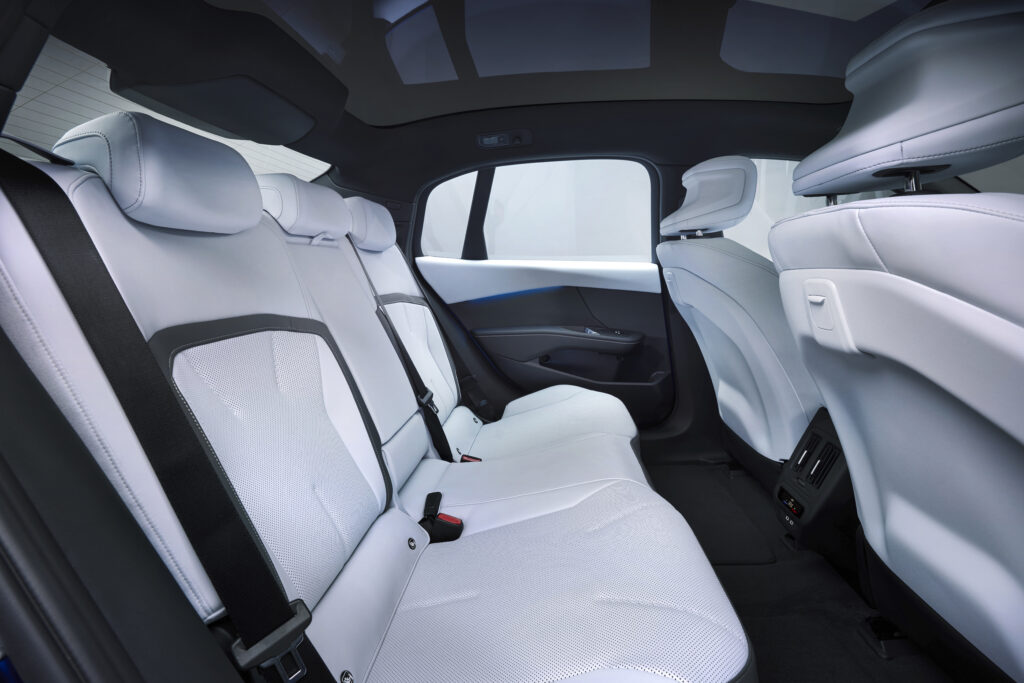
BMW said that the i3 will eventually be available in rear-drive as well, with just a single motor at the back. Or, going in the other direction, a quad-motor configuration is also possible, which is how we’ll get the monster that Frank Van Meel and his crew at BMW M have been cooking up in Munich.
But, again, that’ll come later. For now, the twin-motor configuration will be powered by BMW’s new cell-to-pack battery design, with charge held in cylindrical cells. That new design maximizes energy density while reducing cost and weight.
While BMW isn’t quoting a battery pack size, it is saying to expect up to 440 miles from the electric sedan. That’s a healthy boost from the iX3’s 400 miles of estimated range, likely thanks in large part to the i3’s smaller frontal area.
The i3 should also be a bit lighter than the iX3. BMW hasn’t quoted any figures yet, but if we apply the same 500-pound delta between a current gasoline-powered X3 and the new, electric iX3, we could expect the i3 to weigh somewhere around 5200 pounds, given a base 330i xDrive weighs about 3700 pounds.
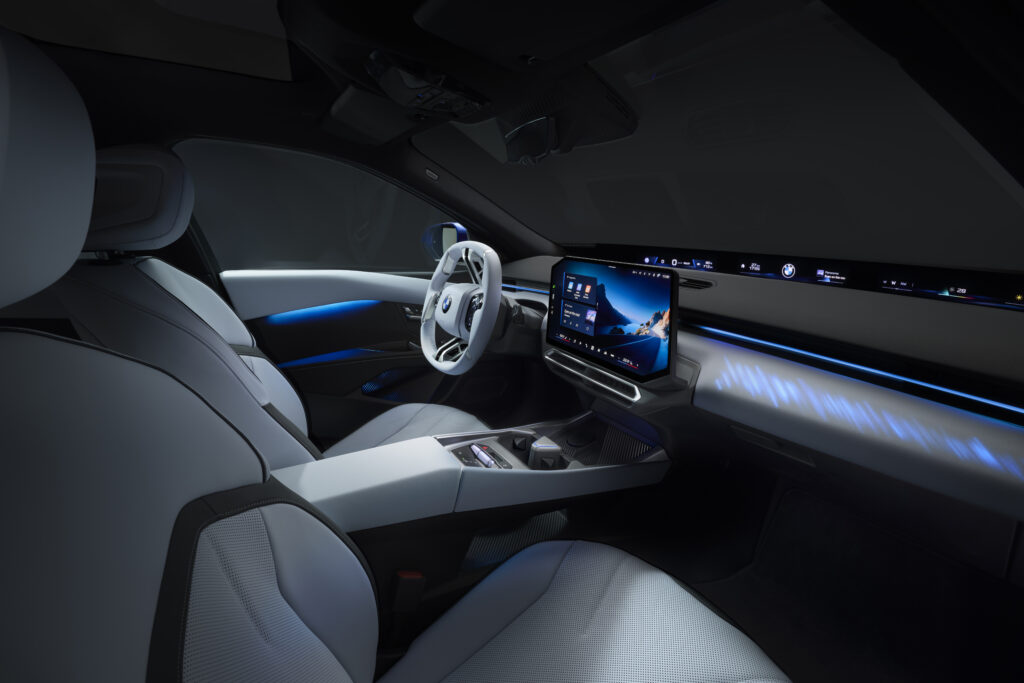
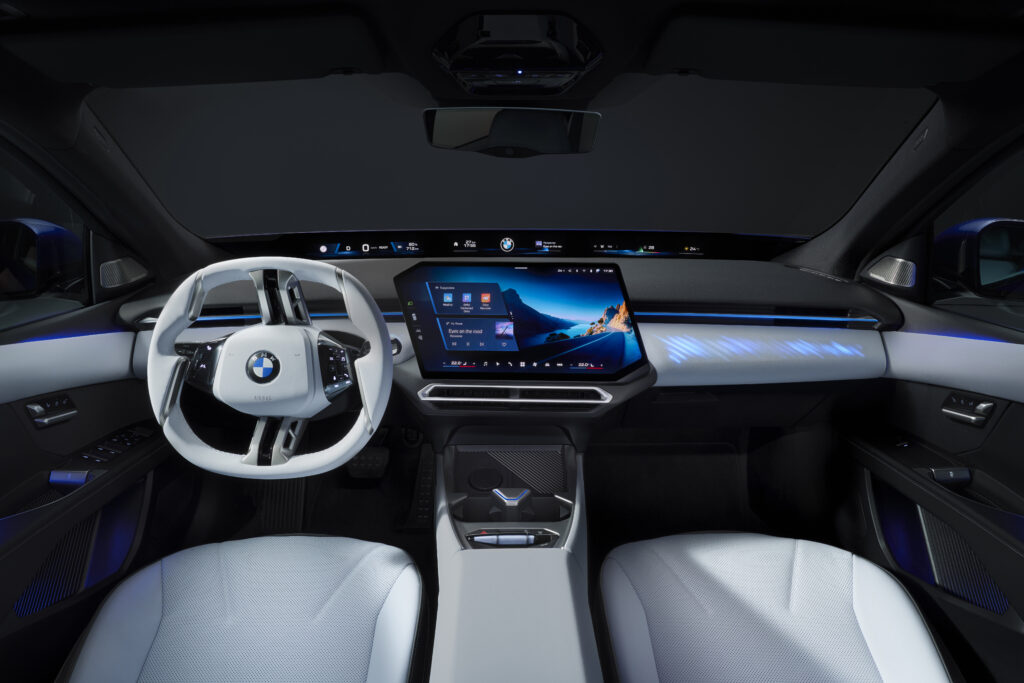
What we know for sure is that the i3 will carry the iX3’s same technology suite, including its odd-looking “shy tech” steering wheel with capacitive touch surfaces that light up or disappear into darkness when needed.
That includes the controls for BMW’s new “symbiotic” driver assistance suite with hands-off driving on the highway including automated lane changes. Here, you’ll need only look in the left or right mirror to confirm the change, a la the current i8 and iX. The i3, and the iX3, will take that a step further with automated turn signals when you change lanes on your own and even the ability to lightly brake the car without disengaging the cruise control.
The i3 will also include an AI assistant in the form of Alexa+, meaning you can get all the large-language model support you could ever want while on the go. BMW’s windshield-spanning Panoramic Vision display will be here, too, plus that oddly inclined, 17.9-inch center touchscreen.
That’s all very similar to what you can expect in the iX3, but the i3 does have one substantial upgrade over the SUV: adaptive suspension. While the iX3 is, for now at least, solely available with steel springs and fixed dampers, the i3 will be available with M-tuned adaptive dampers as an option.
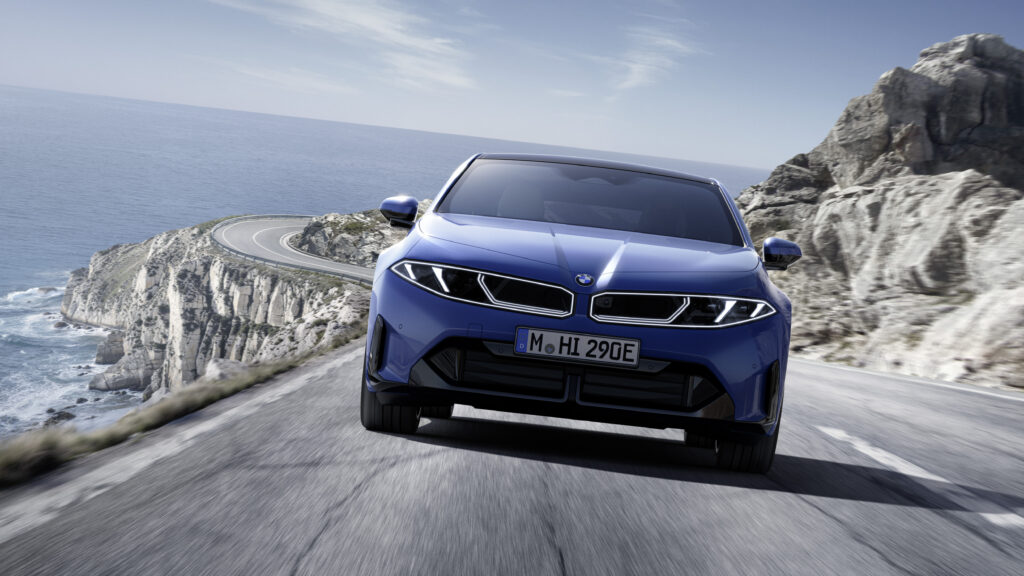
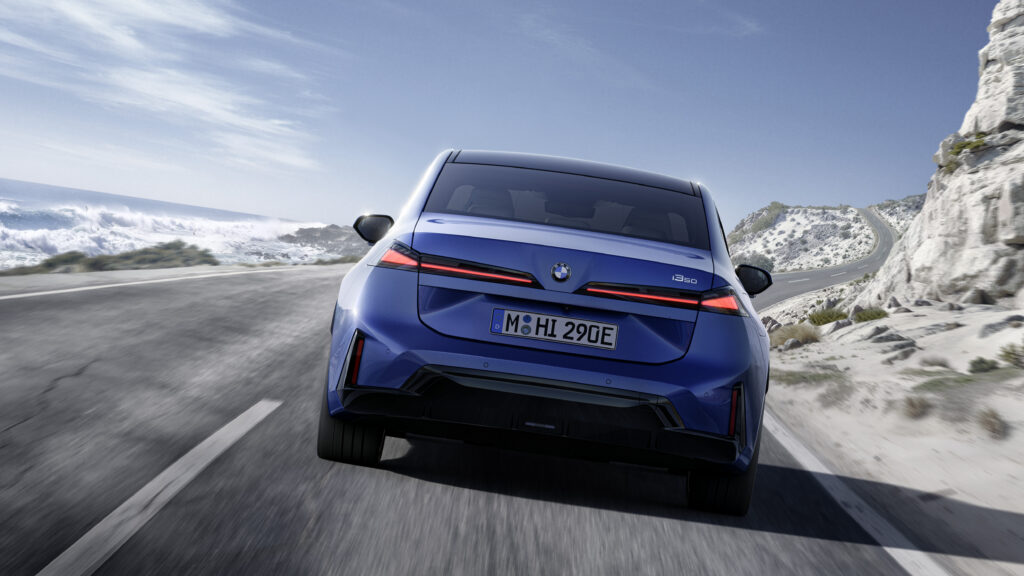
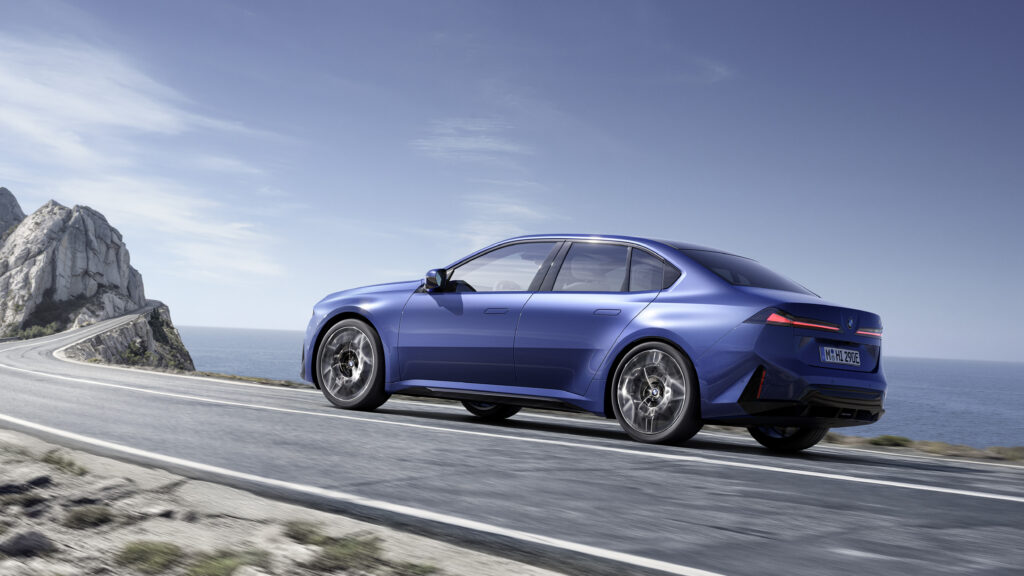
That should make for a car with more of a split personality than the SUV, and while again we’re most excited to see what the M division can get up to, on paper, the i3 makes a strong first impression. That output of 463 hp is just 10 short of a current M3 Sedan, while its 476 lb-ft of torque is a whopping 70 higher.
The question, though, is how well it will hide its weight? From our initial impressions on ice, early signs are looking good.