
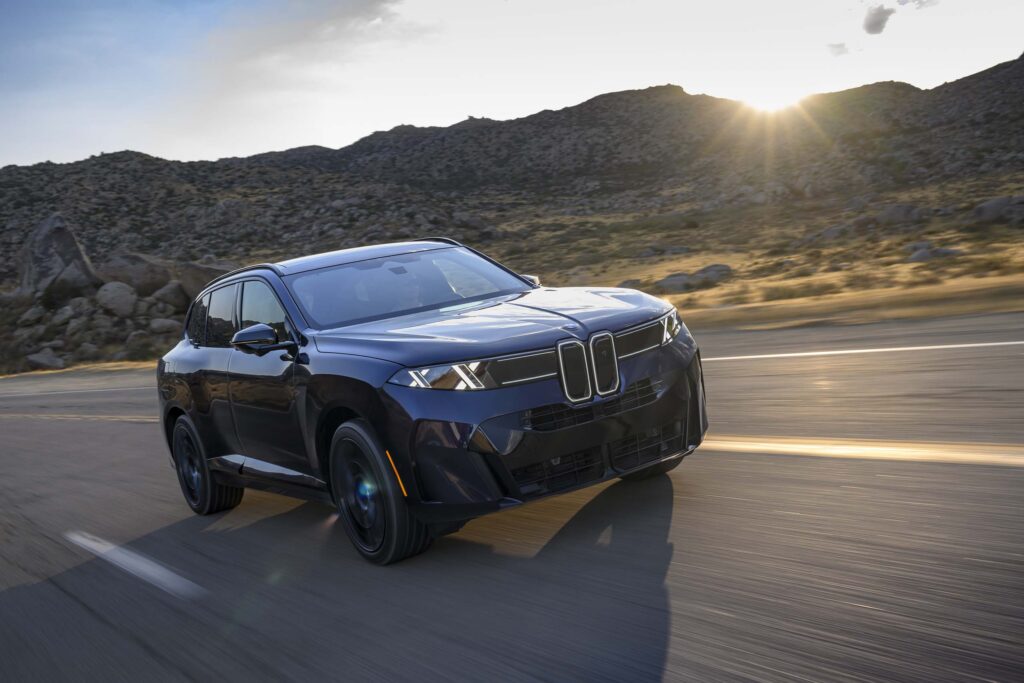
I’ve never thought so much about door handles.
The 2027 BMW X5 and iX5 have a new door handle concept, dubbed winglets, that appear near the base of the windows. They are elegant and keep the lines of the doors extremely clean, which gives design new freedom.
They’re clever, avoiding unintended touches that could accidentally open the door, though they are also the physical handle in the event that the door cannot be opened. Available powered doors also can open and close automatically, and sensors keep them from hitting nearby cars or people. But in the event of an accident when the doors cannot be easily opened and the curtain airbags deploy, there are instructions written on the airbag for first responders on how exactly to open the door. BMW created its own problem to solve.

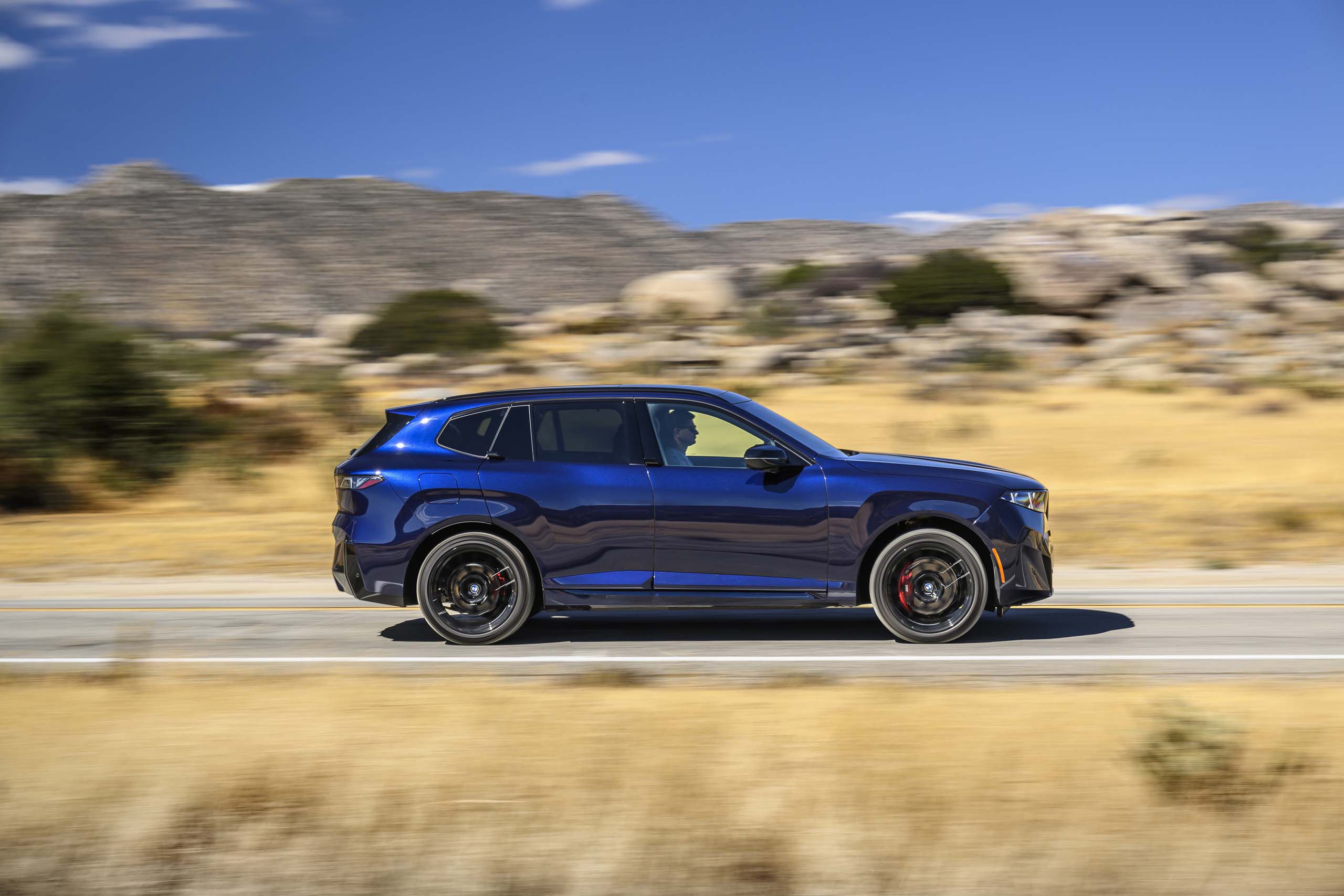
The doorhandles pop up below the base of the window, tiny winglets that you can grab and open the door with a quick grasp. They are smart, avoid unintended touches, and can be the physical handle in an emergency. But are they too complex for their own good?
It also speaks to how big of a departure this new X5 is from every model that came before. The split tailgate is gone, a staple since the first generation, in favor of a single door. The opening is wider and provides easier access to the deep in the trunk for shorter owners, and BMW says the sloping trunkline made the split tailgate harder to incorporate. Then there’s the design, which goes all-in on the Neue Klasse both inside and out. The iDrive controller’s death sees the birth of a cabin full of screens and virtually devoid of buttons. There are also five distinct powertrains—gas, plug-in hybrid, full-electric, diesel, and a hydrogen model—contained on the same platform.
Basically nothing remains from the G05-generation, an ambitious change for what has become BMW’s most important vehicle. Has the gamble worked?
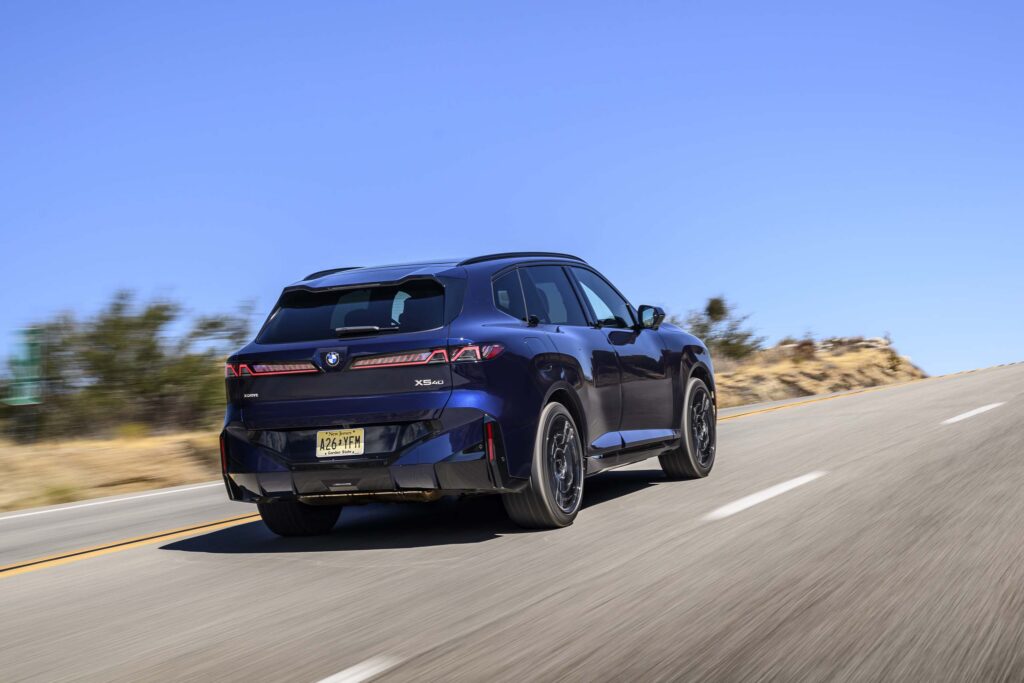
My drive starts in the X5 40 xDrive, which is expected to be the volume model. There’s really no way getting around the design, which seems the most polarizing out of BMW since, well, the last new BMW. Those who despise the Neue Klasse language shout so loud that, if you like it, it makes you question yourself. I happen to like the iX3 and 3 Series, and I like it here too. For the most part.
The overall design is clean, and the small kidneys and front end are a wholesale change from the giant grilles that have invaded the lineup over the last few years. I think it’s handsome.
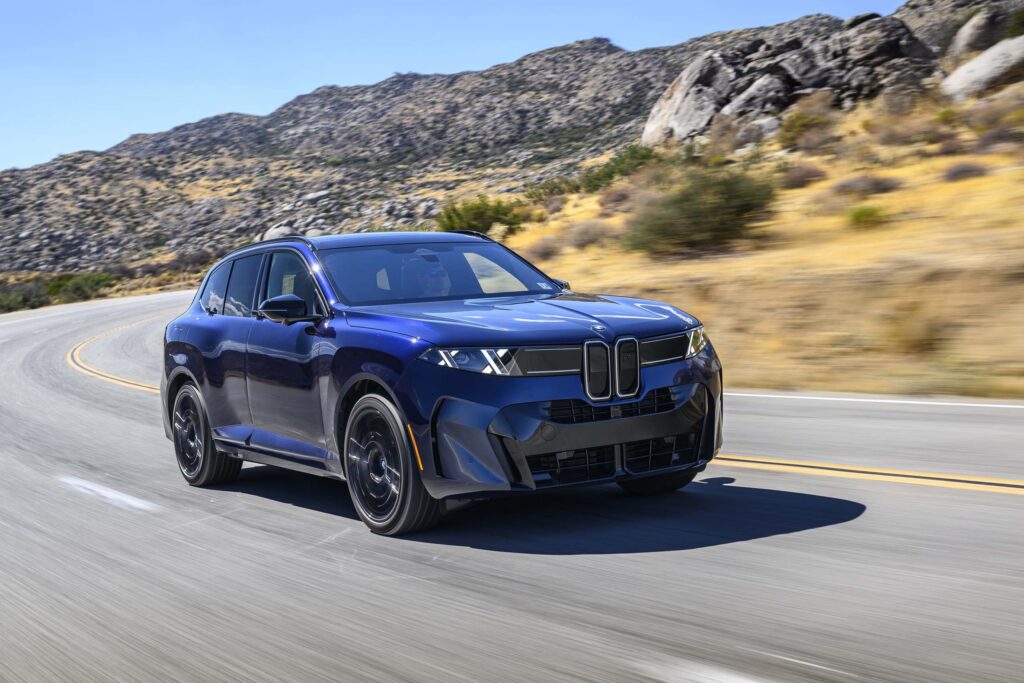
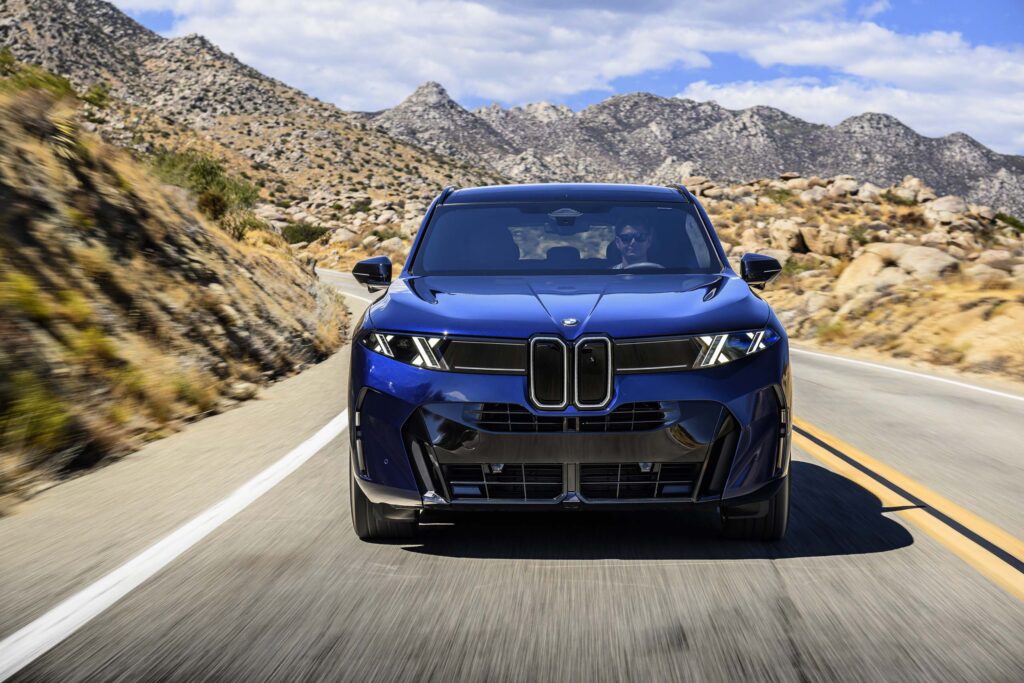
What I don’t get are the headlights, and specifically the X-motif running lights. Considering this brand used to have lights dubbed “angel eyes,” halos so iconic that fans decided they came from heaven, to now have lights that are Xs over the eyes of the car, a cartoonish way to signify death. Thankfully, you can turn off one of the slashes so the running lights are similar to those in the iX3. But if you assume people are going to dislike your running lights so much that you have an option to turn off the default pattern, then perhaps they aren’t the right choice.
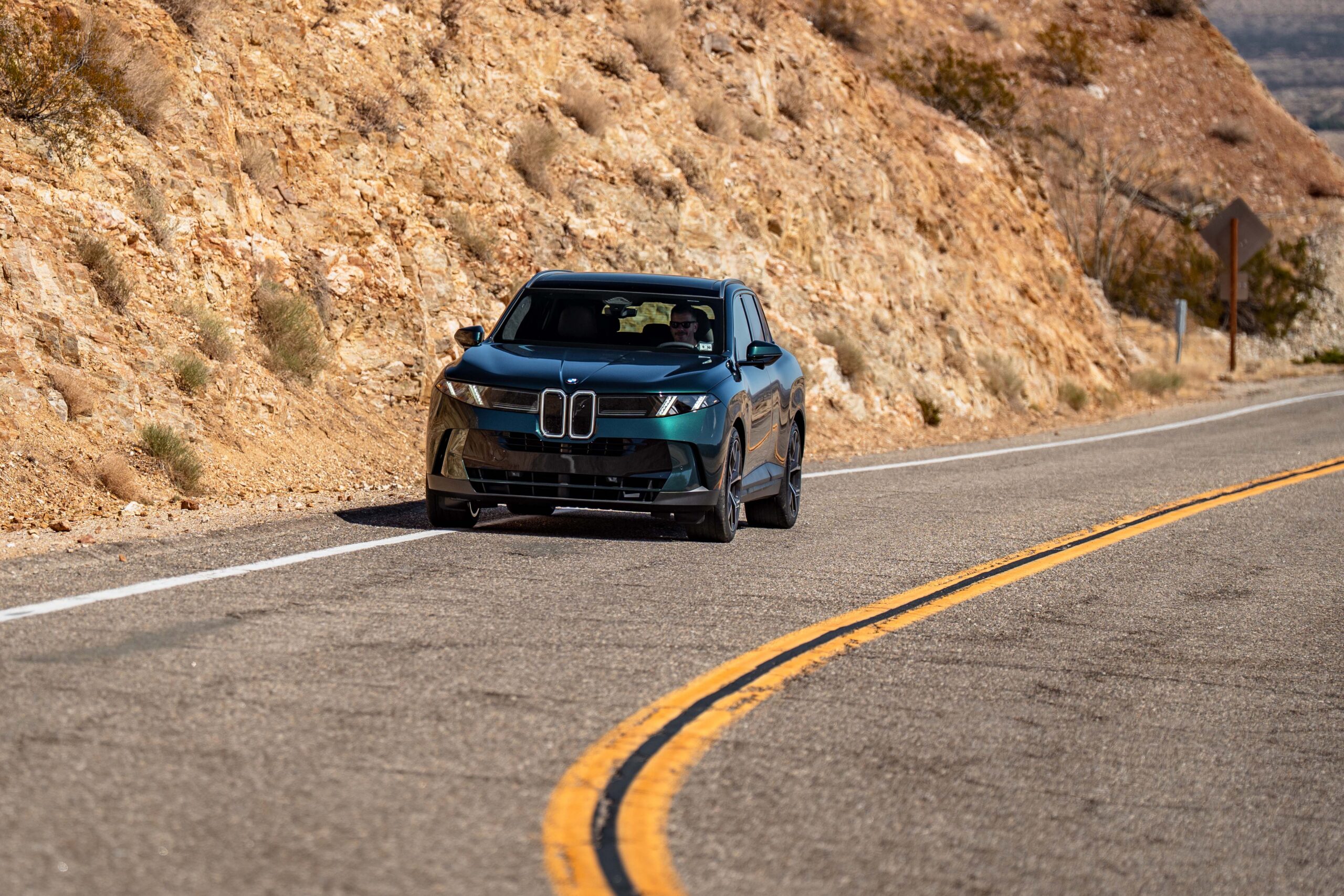
With the X running lights turned off, the front end appearance is immediately improved.
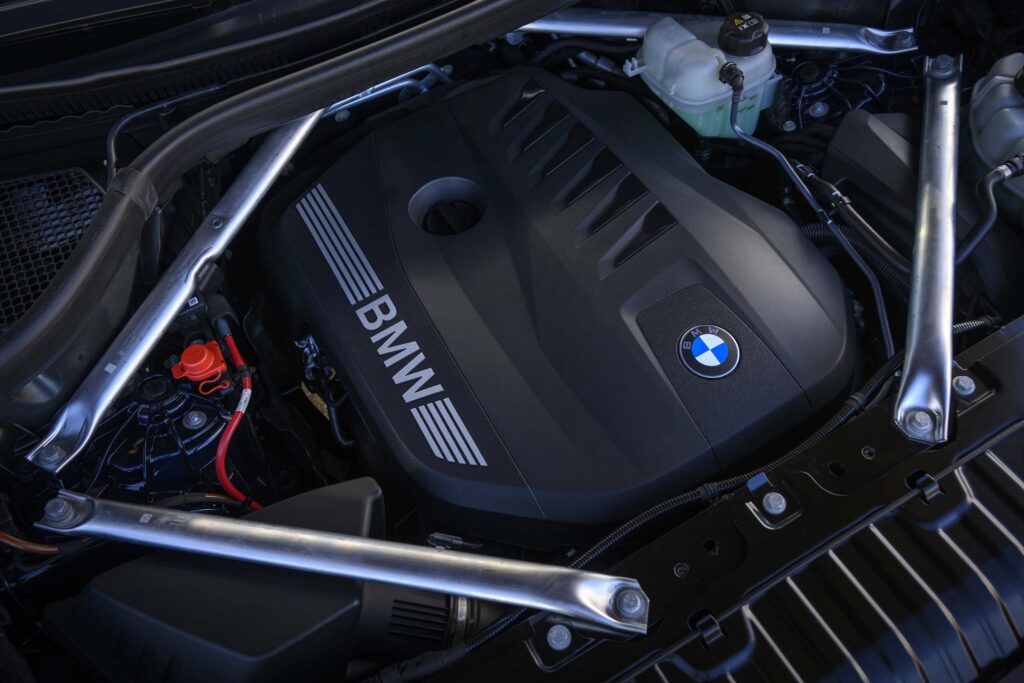
While everything you see is new, this one is familiar underneath. The B58 straight-six and 48-volt mild hybrid system give it 394 hp and 428 lb-ft of torque, and that power runs through all four wheels thanks to an eight-speed automatic. That gets it to 60 in 5.1 seconds, according to BMW. While the model I’m driving is the M Sport Professional trim, there are no changes in performance between it, the M Sport, or the base trim. These are simply appearance packages.
If you’re familiar with this drivetrain from its other applications across the BMW lineup, then the same applies here. The B58 delivers power like a straight-six freight train, with a wall of torque to propel off the line and seemingly no drop in power all the way to redline. Paired with the ZF eight-speed auto, it’s as you’d expect, seamless shifts and quick acceleration.
On the highway, it’s pretty much flawless. The driver aids are seamless, allowing for handsfree operation on mapped highways, using a camera in the mirror to ensure you’re looking ahead. But if you’re wearing extremely dark sunglasses, it will think you’re asleep or don’t have eyes, and either won’t allow you to go hands free or will disengage it when you put those dark glasses on. The handsfree driving, when it is working, allows you to change lanes by touching the blinker on its own, moving the wheel where you want to go while looking in that direction, or it will even suggest a lane change, and all you need to do is look where it wants you to go, and it’ll handle the rest. If you find it tough to trust these autonomous systems because you’ve spent decades driving on your own, like I have, you’ll shadow the wheel and the pedals, ready to jump in when it makes a mistake. But it doesn’t make a mistake, at least not in my testing on congested stretches of Southern California highways. It’s a bizarre sensation, and one I’m still not used to.

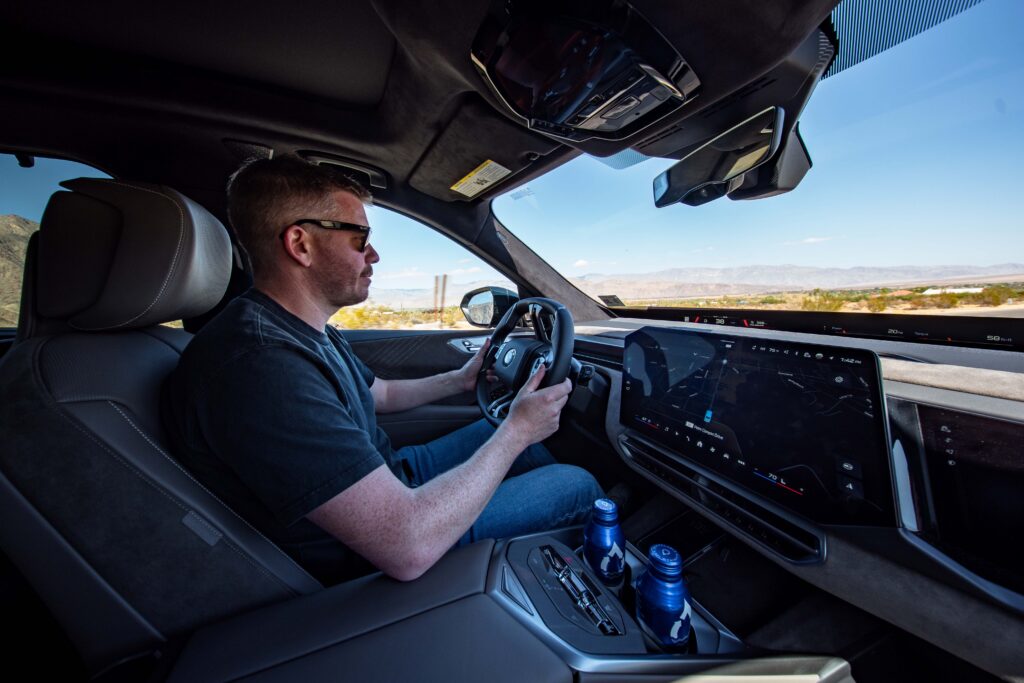
Like the G05 generation, this is a wonderful long-distance family car on the highway, capable of eating up miles without missing a beat. Though there is a lot to get used to. Everything, and I mean everything, is held in the iDrive screen. From drive mode settings to adjusting the direction of the air vents, there are no physical controls for any of it. There is an AI assistant which responds to conversational inputs and does a fine job pulling up what you need in the layers of screens, but I long for the controller. The iDrive system and its layout was lamented when it debuted more than 20 years ago, but it evolved and soon became the best infotainment system in any car, with everyone scrambling to copy it. The screen, which is responsive and intuitive, isn’t the same as a physical interface.
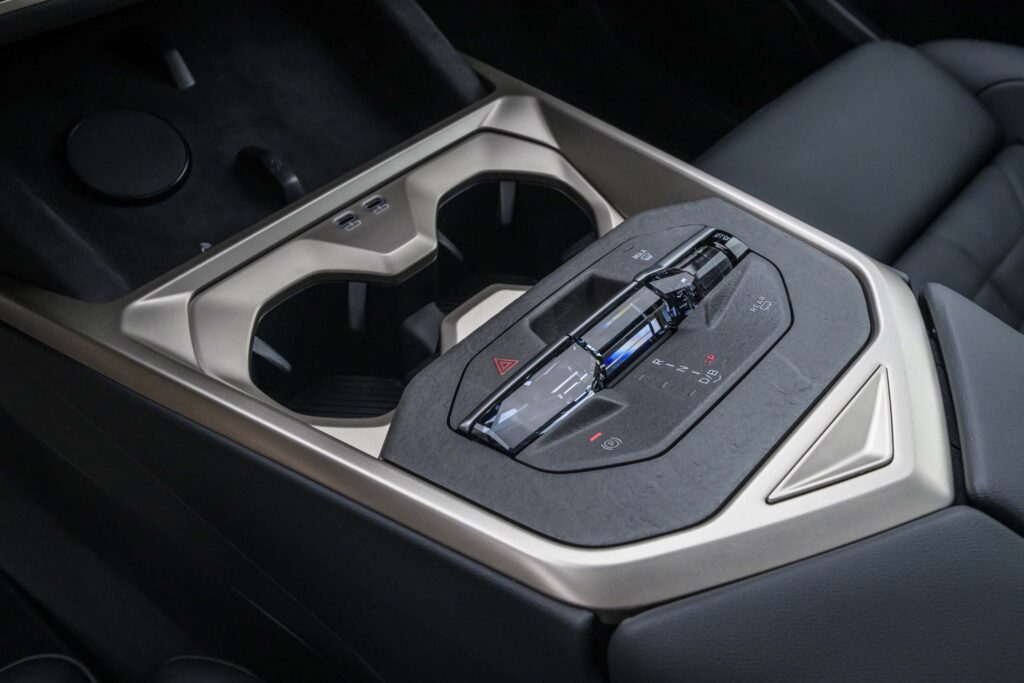
Even without the buttons and the preponderance of screens, the interior is charming and quite nice. The seats are sublime. Interesting details abound, like X stitching the door cards and even the use of slate on the center console, around the few buttons that remain. The steering wheel designs are all new, and while the base one and its vertical spokes isn’t the best to look at, and the M wheel isn’t aggressive, they’re both small and nice to hold. And with the display now on the base of the windshield, the dash and wheel can be low, providing an excellent view out front.
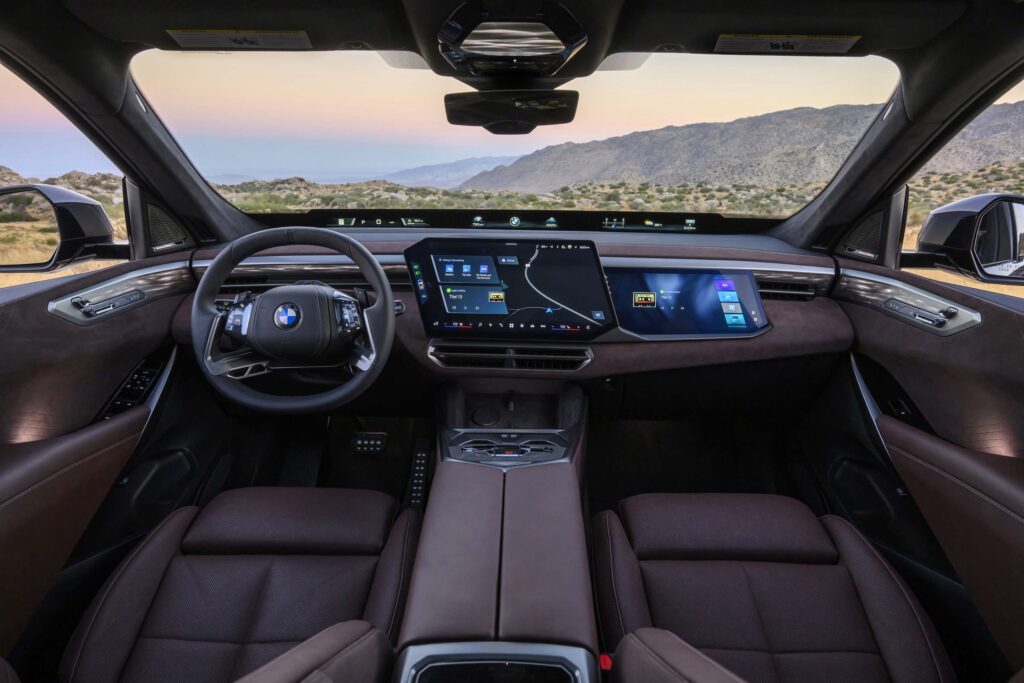
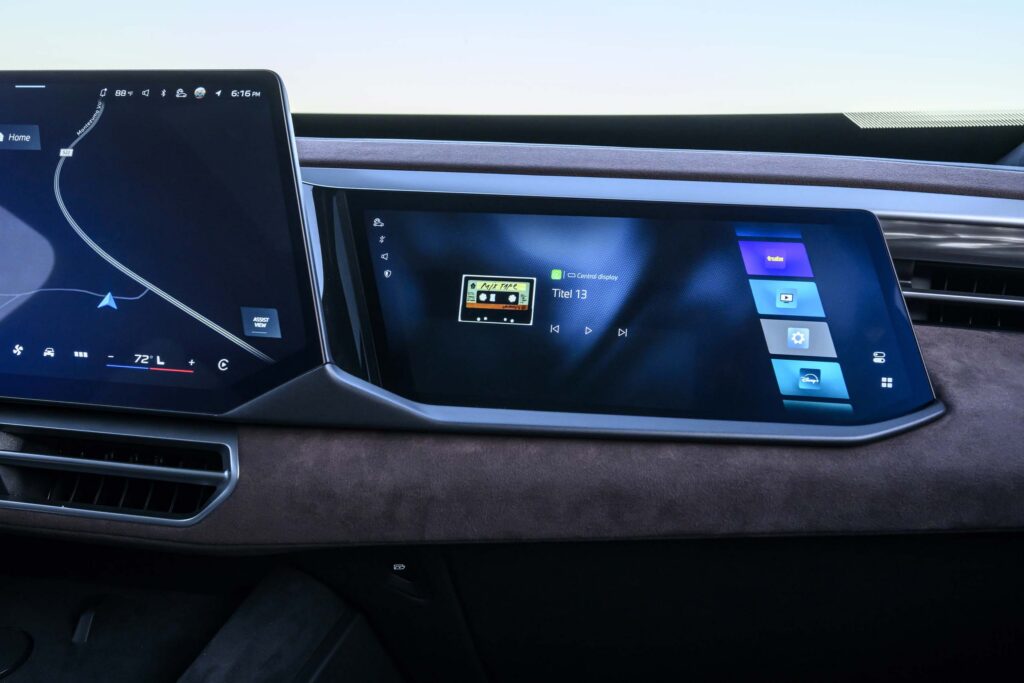
There are also moments of confusion, like if a passenger wants to watch something on their display. Now, in many cars with screens like this, it remains invisible to the driver through some pixel-related trickery, letting the passenger enjoy a program without interruption. BMW claims the resolution on those screens is poor and unsatisfactory, so it went with a screen that can be seen by the driver. And if the driver looks over there, the camera will detect the glance and the content will stop and go back to the home screen. That works as intended, but it can be frustrating for the passenger. Want to avoid that frustration? Don’t option the passenger screen.
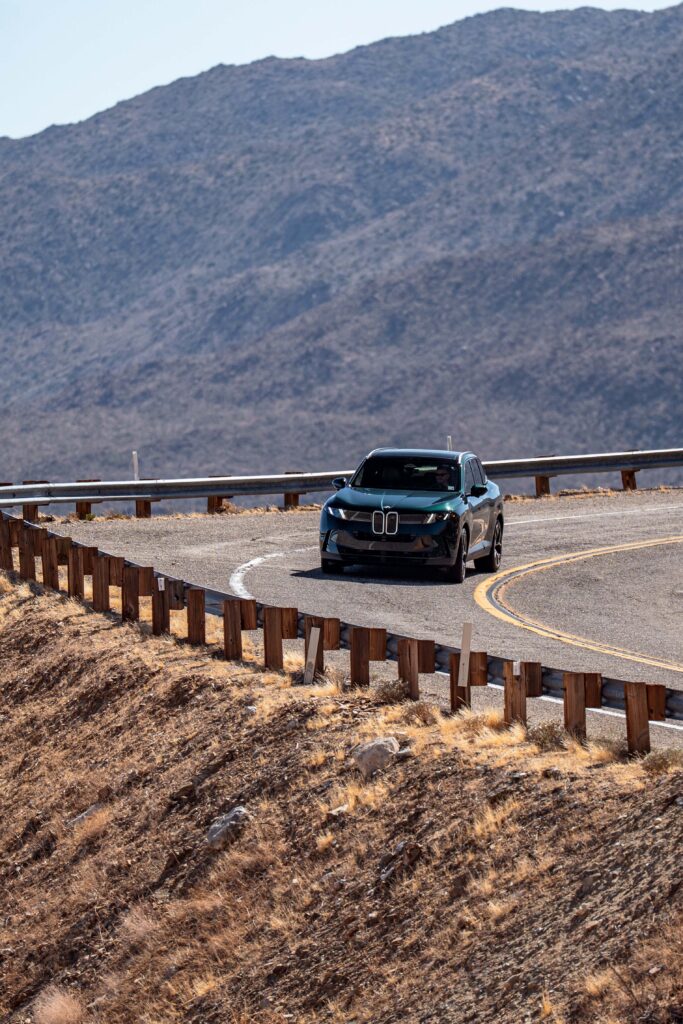
Now, it’s great on the highway, but on windy roads heading into the desert south of Los Angeles, the X5 shows that it’s a large vehicle. It also gives a window into the development.
It’s impossible to make everyone happy, but BMW is very much going to try. Globally, there will be five powertrains for this new X5 split between gas, plug-in hybrid, full electric, diesel, and, eventually, hydrogen. Diesel will not be coming to the U.S., and where the hydrogen lands will be decided in the future. In the U.S., the gas powertrain will be a B58 straight-six at first, followed by a V-8 in the M60, likely the S68 in a similar tune found in the new M760, which makes 573 hp. The plug-in available here, the 50e, will have a straight-six, and, according to Michael Ahlers, BMW’s head of project for the X5, there won’t be a four-cylinder version anywhere in the world, either pure ICE or plug-in. He says that engine doesn’t provide the sound, character, power, or experience that X5 buyers expect.
These are all on a thoroughly re-engineered version of BMW’s CLAR architecture. Ahlers says this was an enormous challenge, and certain trims, like the iX5, are closer to Neue Klasse than pure CLAR thanks to changes needed to incorporate an EV powertrain.

The author (left) and Michael Ahlers, BMW’s head of project for the X5, demonstrating that the tailgate is still a fine place to sit. According the Ahlers, using a single set of center-mounted hinges allowed the opening to be made wider, and the sloping tailgate made fitting a bottom liftgate more difficult.
It’s a daunting task, packaging all of these different methods into one chassis, but there was also the chance to be creative. For example, the hydrogen model stores its gas low in the floor, in exactly the same location as the battery packs for the iX5. The iX5 also has a frunk, which many EVs with a gas variant cannot accommodate. Ahlers said this was a priority from the beginning, something he was adamant that the iX5 must have.
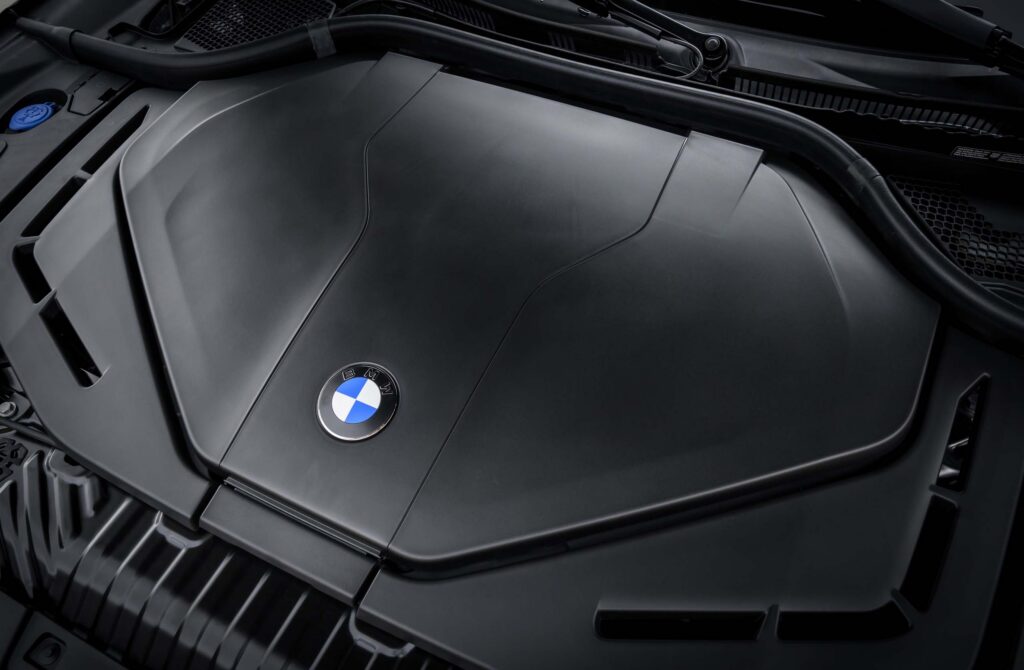
When I open the hood of the gas model, I see how the EV’s frunk is possible. Initially, the engine appears to be mounted very low in the chassis. But when I ask Ahlers if the engine is low or the body is high, he tells me it’s the latter. In order to have the frunk, the front end needed a design that’d allow for flexibility, that meant going slightly taller than you may expect in order to get that space needed for a frunk. This is the sort of design compromise needed when building an EV and gas car together.
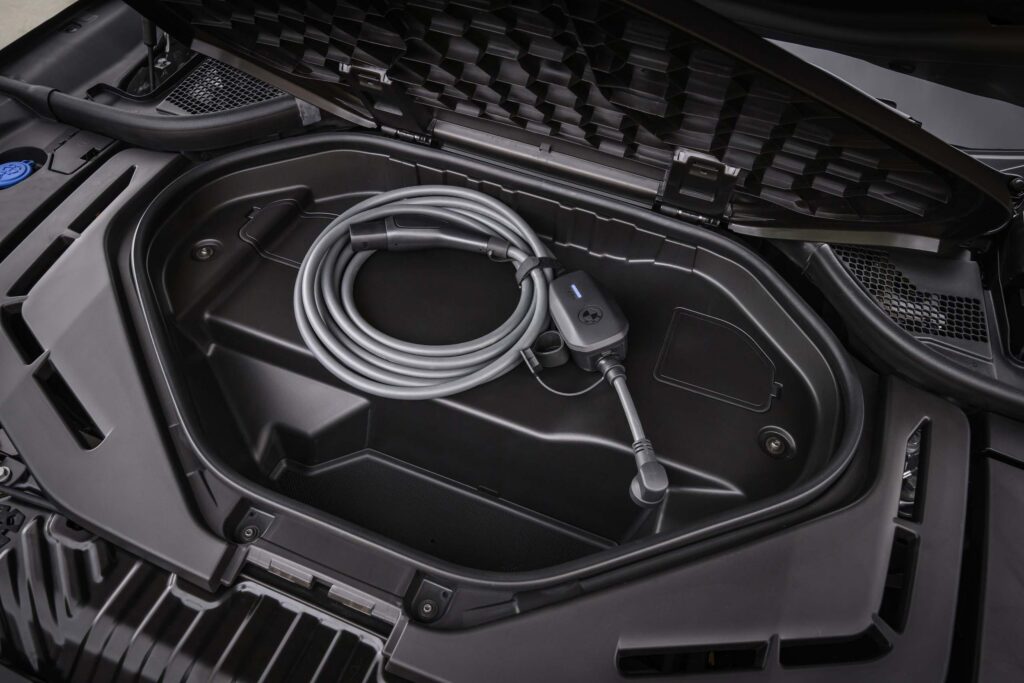
On a twisty back road, the X5 40 demonstrates this by feeling like it holds its weight up high. Granted, this is an SUV and not an M3, but it still feels taller and heavier than past X5s I’ve driven. The steering, though, improves compared to the previous generation, with an appropriate amount of heft in each drive mode and actual feedback coming through the wheel. It’s not perfect, and still mutes more than someone bombing down a mountain might want, but it does improve on the last model. It also rides quite well in normal mode, with sport mode making it firmer, but without feeling jarring when going over road undulations. It settles nicely for something that weighs more than 5000 pounds.
The gearbox works just as well on the backroads as it does on the highway, offering quick, crisp shifts in sport mode. And sport mode also changes all the displays to a moody black and orange design, which looks appealing without being too aggressive.
After this blast, I swap into an iX5, and that’s where it becomes obvious, at least to me: this X5 is intended as an EV first, an ICE car second.
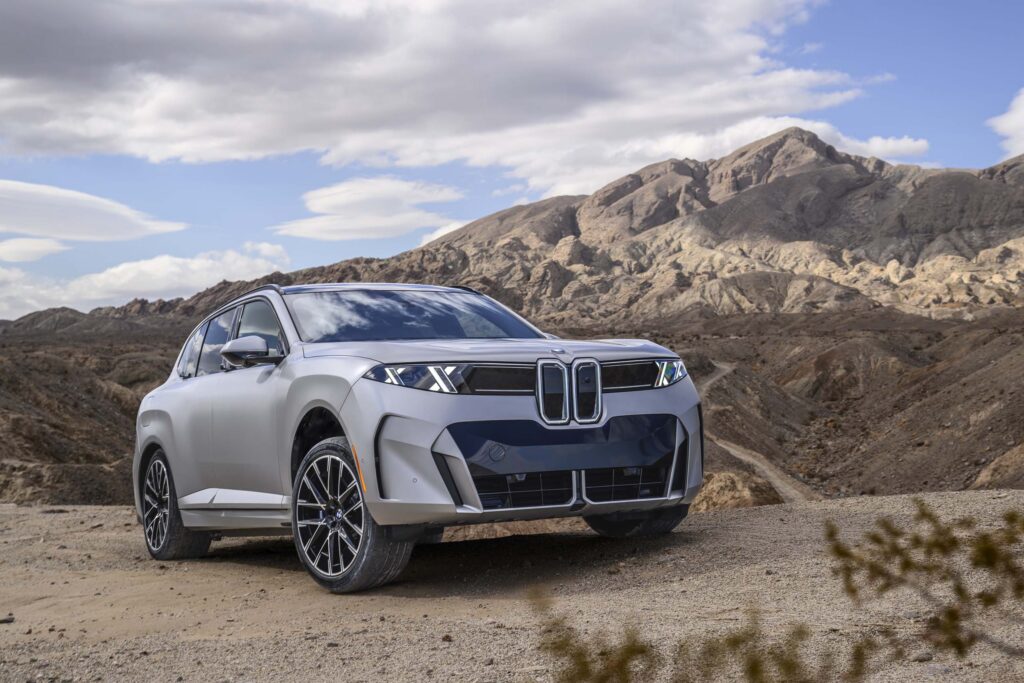
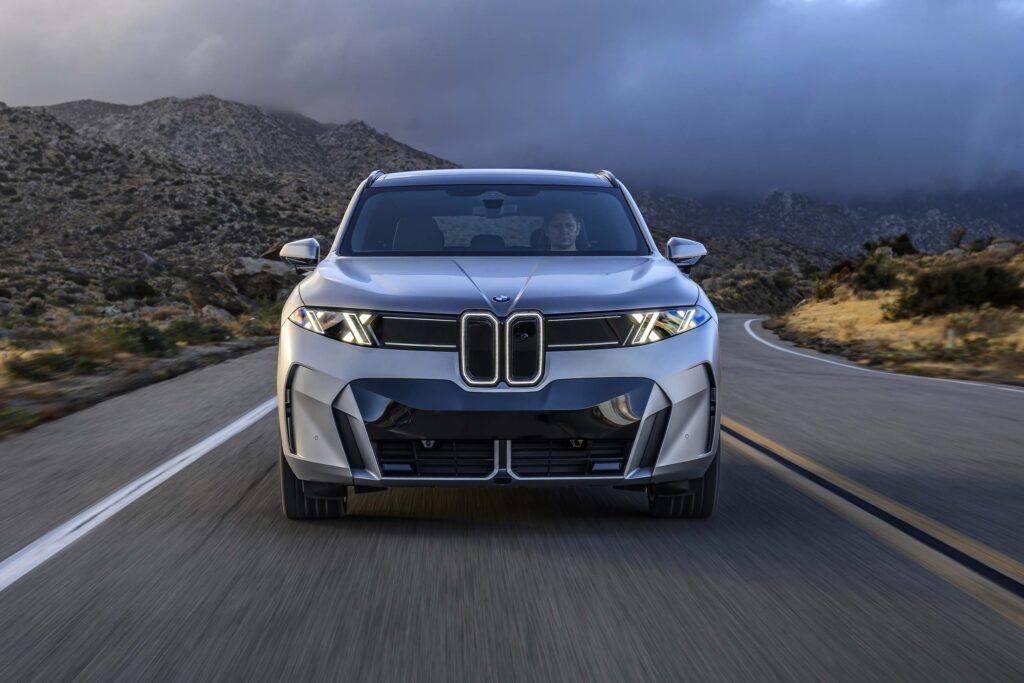
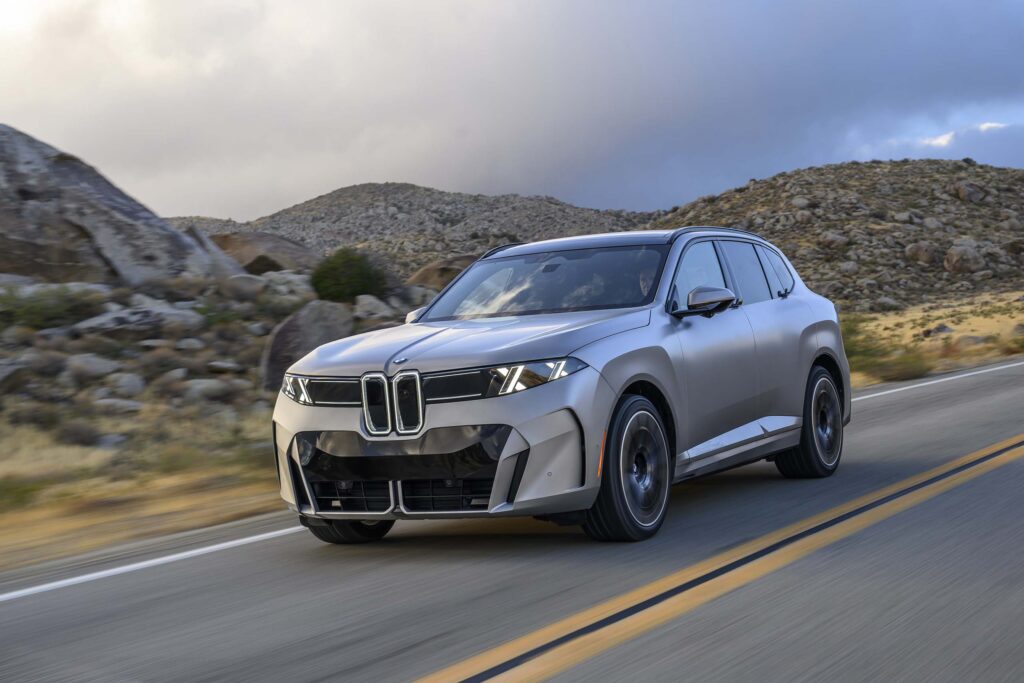
The iX5 looks essentially identical to the X5. Other than the badge, you’d be hard pressed to point one out on the street. It will be obvious from the way it drives.
It’s silent. Turn off the interior sounds and it just whooshes on a wave of power, since those two electric motors produce 570 hp and 593 lb-ft of torque. Even if it weighs more than 6000 pounds, that extra power makes it noticeably quicker than the X5 40.
And with the weight down low and the addition of rear wheel steering, the iX5 is the better one to drive on a back road. It feels tighter, more planted, more secure. It turns in more eagerly. Where it shows its weight is over bumps. A three ton SUV will do that, no matter how brilliantly it’s tuned. That low weight will make it settle authoritatively if it gets light for a second, with a noticeable bounce as it gets back to its baseline. It’s not out of character for an EV, but it’s the one time the iX5 shows just how heavy it really is.
The power delivery, like an EV, is a punch off the line that then plateaus as speed increases. There is only one gear, so no fake shifting or anything here, and BMW doesn’t provide paddles to adjust the level of regenrative braking that the motors can provide. This iX5 also uses the same technology and the Heart of Joy from the Neue Klasse models, which means it has a soft stop feature that makes coming to a standstill nearly imperceptible.
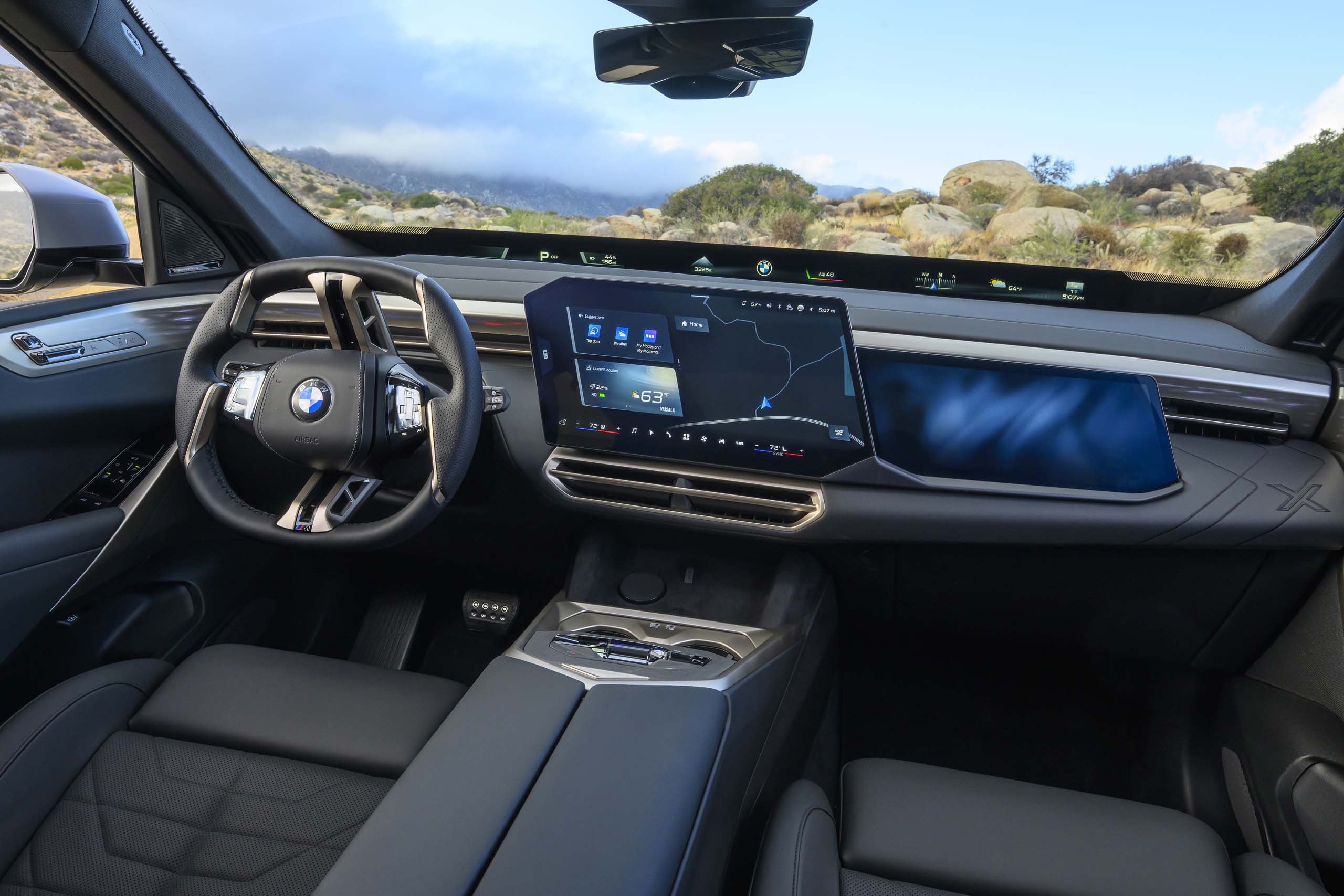
This iX5 features the newest steering wheel with vertical spokes. It takes some getting used to, but does feel nice in your hands.
Of course, except for rare exceptions, these won’t be bought to bomb back roads. No, what people care about with EVs now are range and charging times. The iX5 doesn’t have an EPA number yet, but should reach about 450 miles when it’s rated. Before the event, Ahlers drove an iX5 from San Francisco to Newport Beach without charging, which is more than 500 miles. Of course, that was an exercise in patience at a speed of around 40 mph and without any air conditioning running. Still, it’s impressive. It can also charge at high speeds, 460 kWh, which should see it get from 10 to 80 percent charged in about 22 minutes. Finding a charging station that can go at that speed will be tough right now, but as charging infrastructure continues to grow and improve, it’ll become more prevalent.
Those specs should get rid of any EV anxiety you might find from getting an EV, and it can also fully charge at home on a 240v charger overnight, which is far easier than finding a working charging station.
This is a very different X5. It retains the core of what makes BMW’s most important model great, but makes wholesale changes and developments, many of which are solutions to problems that didn’t exist. The complex doorhandles shouldn’t require first responders to read an airbag to ensure they’re getting occupants out safe. The removal of the split tailgate does allow the opening to be wider and allows people to sit on the back without shoulders touching, but still loses a feature people enjoyed. The screen-laden interior caters to a global market—and China, specifically—that has moved on, for better or worse, from buttons.
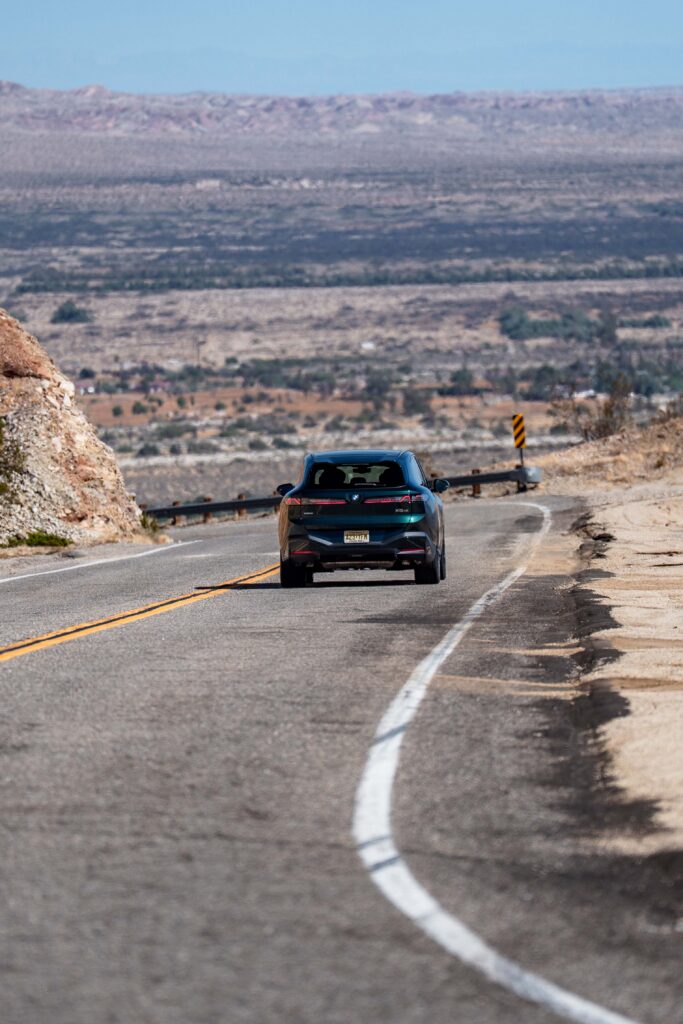
This X5 takes a lot of bold risks, and many of them pay off. It’s a fitting heir to the model that comes before, and has its feet planted firmly in the future, one that’s full of technology aimed at transforming how you drive and interact with your car. Now we all just need to get used to talking to our BMWs or using a touchscreen rather than spinning a knob.