
The BMW i7 is getting a refresh soon. And when it does, it’s going to get its juice from a very unexpected source—Rimac. BMW and Rimac have partnered to develop a new high-voltage battery system that uses 4695 cylindrical lithium-ion cells to give the i7 more energy density, faster charging, and an increased range. It’s going to be part of BMW’s Gen 6 eDrive technology and will make its world debut on April 22, at Auto China 2026 in Beijing.
“We are quickly rolling out the technologies of the Neue Klasse across our entire model portfolio—including, of course, in our all-electric luxury sedan. The teams of both companies have developed a tailor-made solution for the new BMW i7,” says Dr. Thomas Engelhardt, Senior VP Development High-Voltage Storage and Charging at the BMW Group. “The excellent collaboration with Rimac Technology is a good example of European innovative strength.”
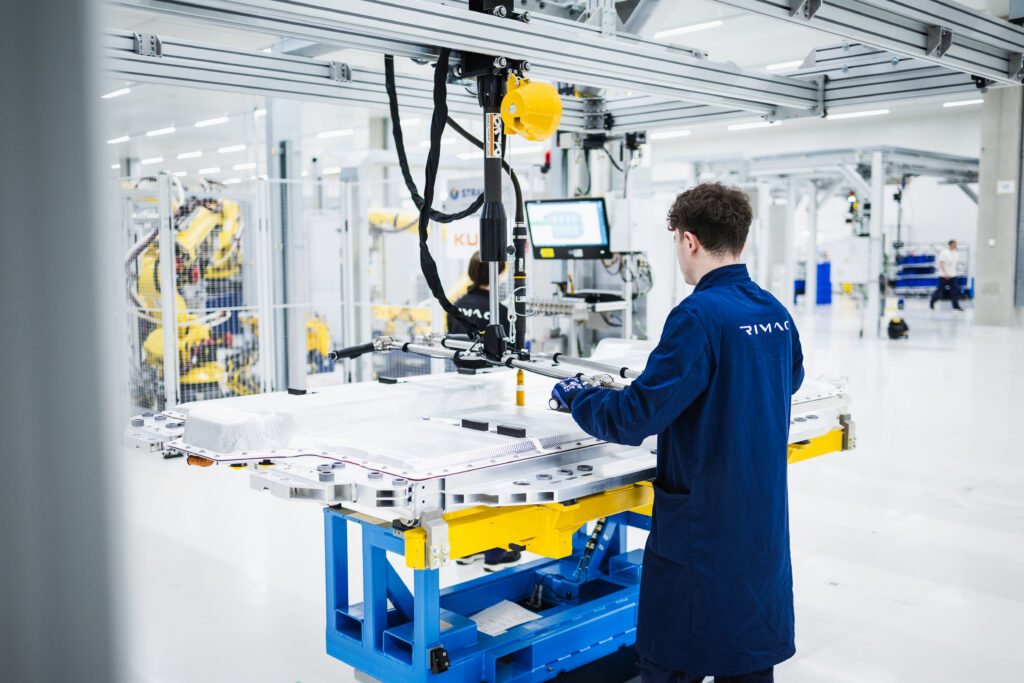
“BMW has always been known for pushing engineering to the highest level, which made this collaboration especially exciting for us,” said Mate Rimac, CEO of Bugatti Rimac. Together, we developed a high-voltage battery system that unlocks the full potential of the new cylindrical cells in record time, delivering significant improvements in energy, range, and charging performance. We are proud to now see this system being produced at scale at our new Rimac Campus.”
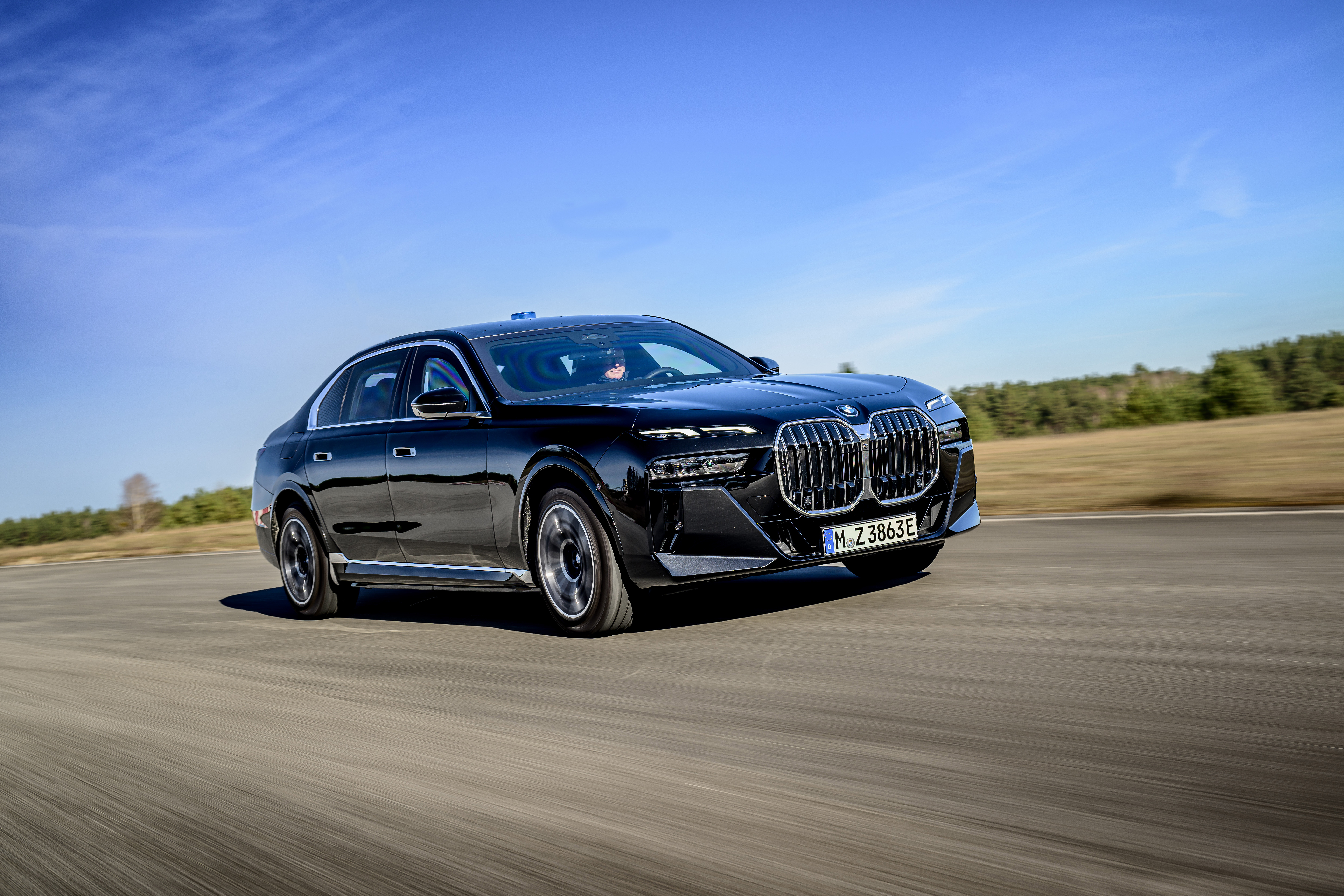

This new Gen 6 battery pack from Rimac and BMW is said to have 20 percent higher volumetric energy density, compared to the older Gen 5 system. So i7 customers will be able to go further on a full battery, and charge it back up even faster. It’s a wise move for BMW to partner with Rimac, as few automakers in the world have been able to achieve the level of EV and battery performance it has.
However, it is ironic that BMW partnered with Rimac, considering its ties to one of BMW’s main competitors: Porsche. Bugatti Rimac is owned by Rimac Group (55 percent) and Porsche (45 percent). And Porsche is owned primarily by Volkswagen. So BMW getting into bed with two of its main German competitors is odd, even if the results will prove the move wise in the future.